Your Guide to Unforgettable National Park Adventures
National Parks are global assets, essentially being sanctuaries for the natural wonders of the world and the incredible biodiversity they contain. They're far more than just places you can go on holiday. They're living museums of the natural world. You can have herds of African animals bellowing past you, or stand in the middle of a volcano and watch it glow. The experiences are as varied as the ecosystems they're in. They're a unique opportunity to get away from it all and reconnect with the wild. This guide will be your starting point for an adventure in these pristine natural environments, helping you experience them in a way that's both responsible and safe.
A trip to a national park is the ultimate opportunity to see nature's wild beauty, wildlife in its natural habitat, and a real sense of the fragility of our planet's ecosystems. It's an experience accessible to everyone, whether you're a seasoned adventurer or a first-timer.
Why Visit National Parks? Understanding Their Global Importance
The main reason for national parks is to conserve biodiversity and protect natural landscapes for future generations. They are essentially the last refuge for ecosystems and the species that live within them. By protecting such large areas of land from development and exploitation, they provide a safe haven for nature to flourish. They are absolutely vital to conserving endangered species, whether that's the African elephant or the myriad species found in the unique, isolated environments of a volcanic island. They are the lungs of the world, and they are vital to protecting our water.
Beyond their obvious ecological importance, they are a huge source of recreation and education. They give people opportunities to connect with the natural world through activities like walking, watching wildlife, and camping. For many people, a trip to a national park is an inspiring and educational experience in itself, giving you real insight into the area's geology and ecology and the importance of conservation. Local communities also benefit significantly from tourism. It provides employment, supports local businesses, and offers a sustainable form of economic activity that can replace more damaging land uses.
Planning Your Dream Safari: African National Park Highlights
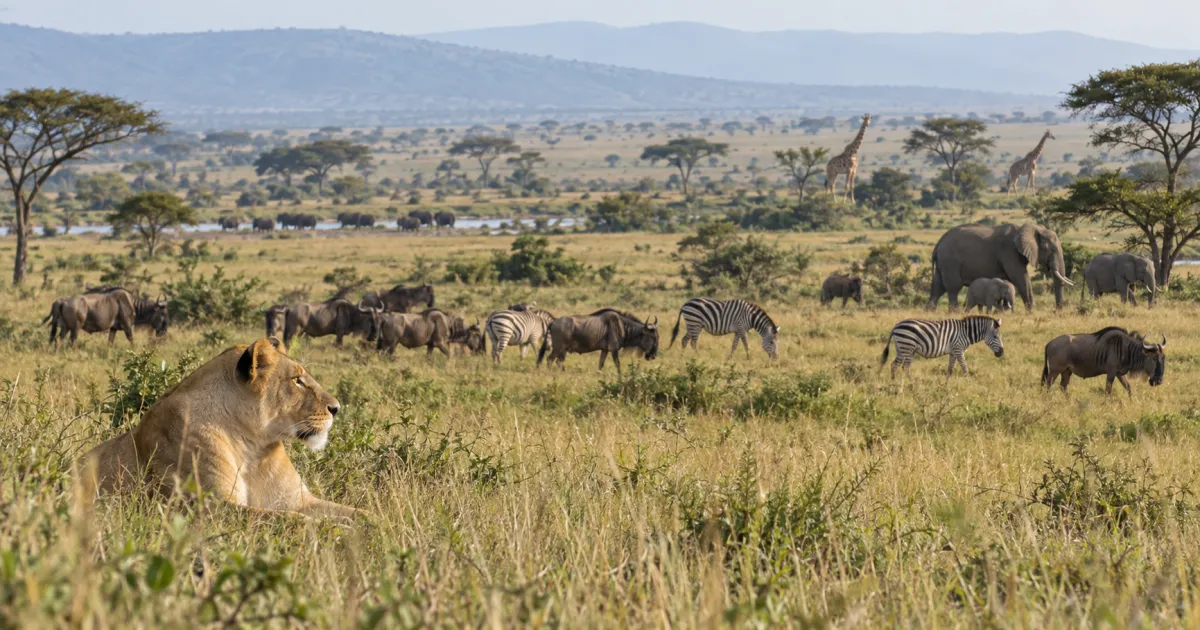
African national parks provide a safari experience like no other, in terms of scale and the sheer density of wildlife. What really sets them apart is the sheer wildness of it all, the opportunity to see the great migration routes and the circle of life in all its glory. When you're planning your safari, you need to choose the type that suits you. You can do a classic 4x4 driving safari, a guided walking safari, a luxury lodge safari, or a more basic, budget camping option.
The key things to bear in mind when planning your African safari are the time of year and the length of your trip. The seasons have a major effect on wildlife movement, particularly in East Africa, so you need to do your research to make sure you're visiting at the right time (e.g., to see the Great Migration). A longer stay will, of course, let you experience a wider variety of ecosystems within a park and even visit different parks (e.g., the wetland paradise of Moremi Game Reserve in Botswana). Your kit should be light and in neutral colors (since wildlife comes in a wide range of colors), with a wide-brimmed hat, sunblock, insect repellent, a good pair of binoculars, and a decent camera to capture memories. Getting it all right in advance is the key to really experiencing the magic of the African bush.
Serengeti and Maasai Mara: The Great Migration
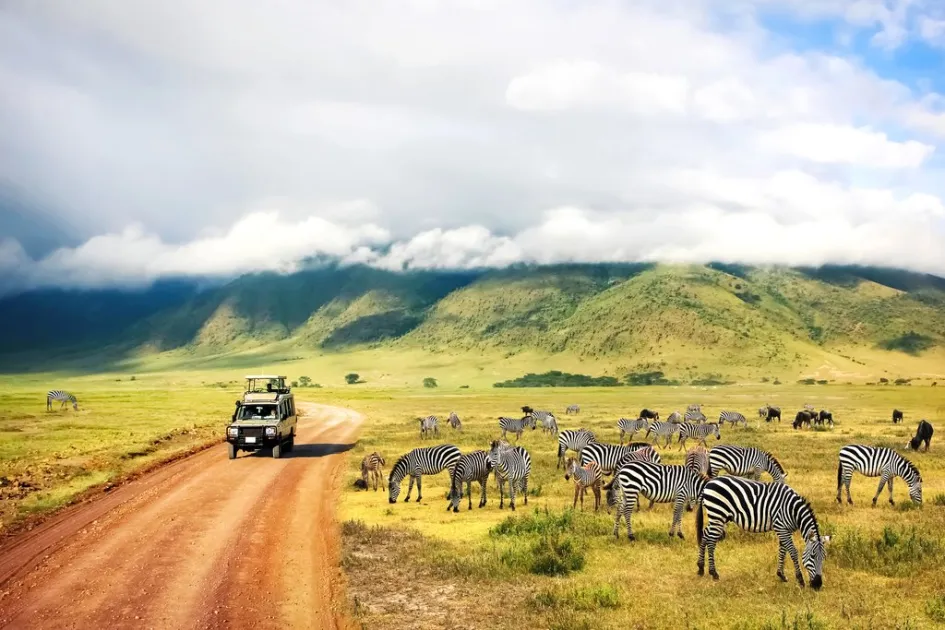
The Great Migration is one of the planet's greatest natural spectacles, with over 1.5 million wildebeest (plus hundreds of thousands of zebras and gazelles) migrating through the Serengeti/Maasai Mara ecosystem each year. This movement is driven by the need to find fresh grazing and water. It's not a single event but a continuous cycle of movement. A good Serengeti National Park guide will tell you that the migration is, in fact, a constant movement of life, with different phases providing very different experiences (calving in the south, river crossings in the north, etc.).
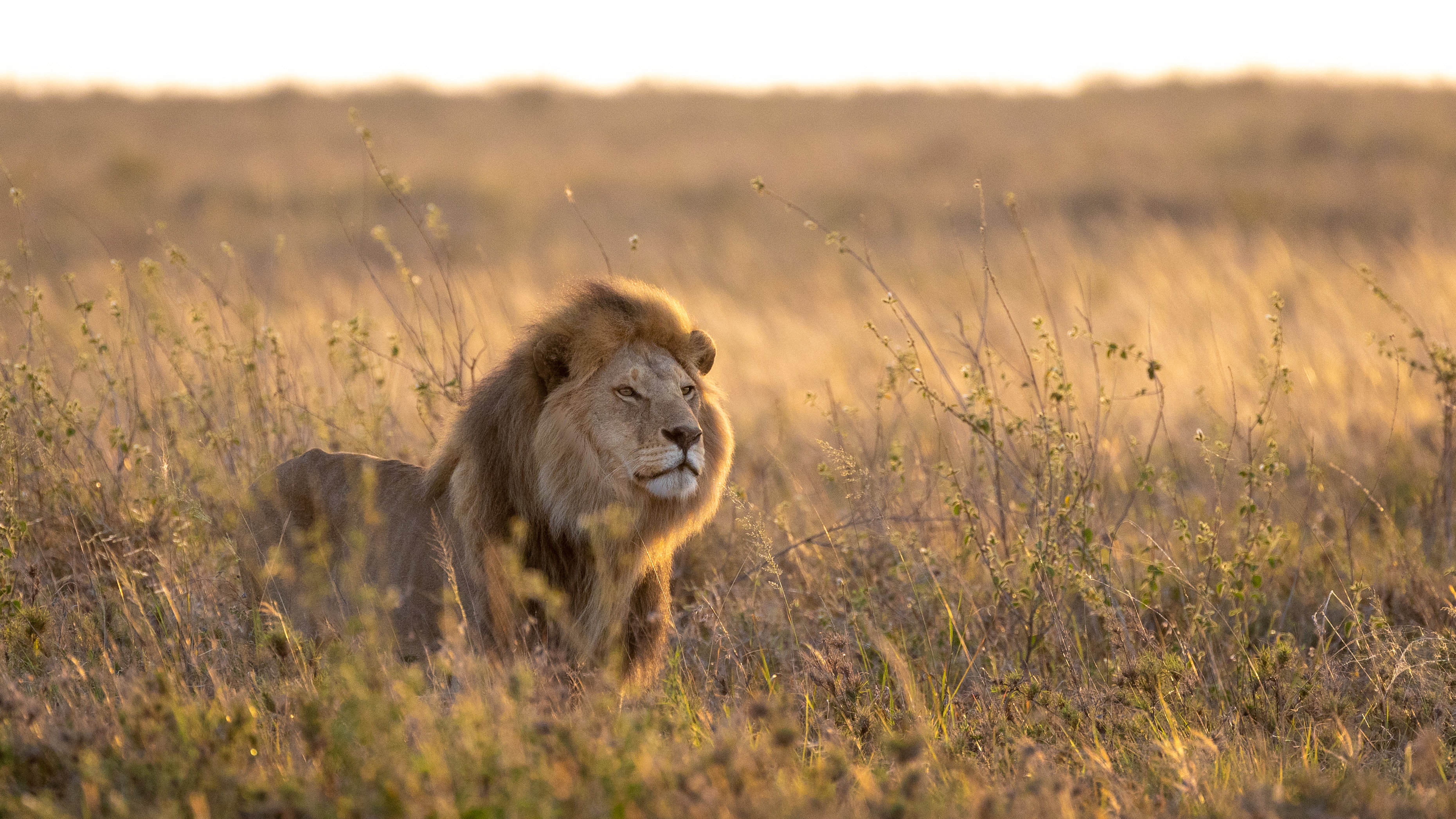
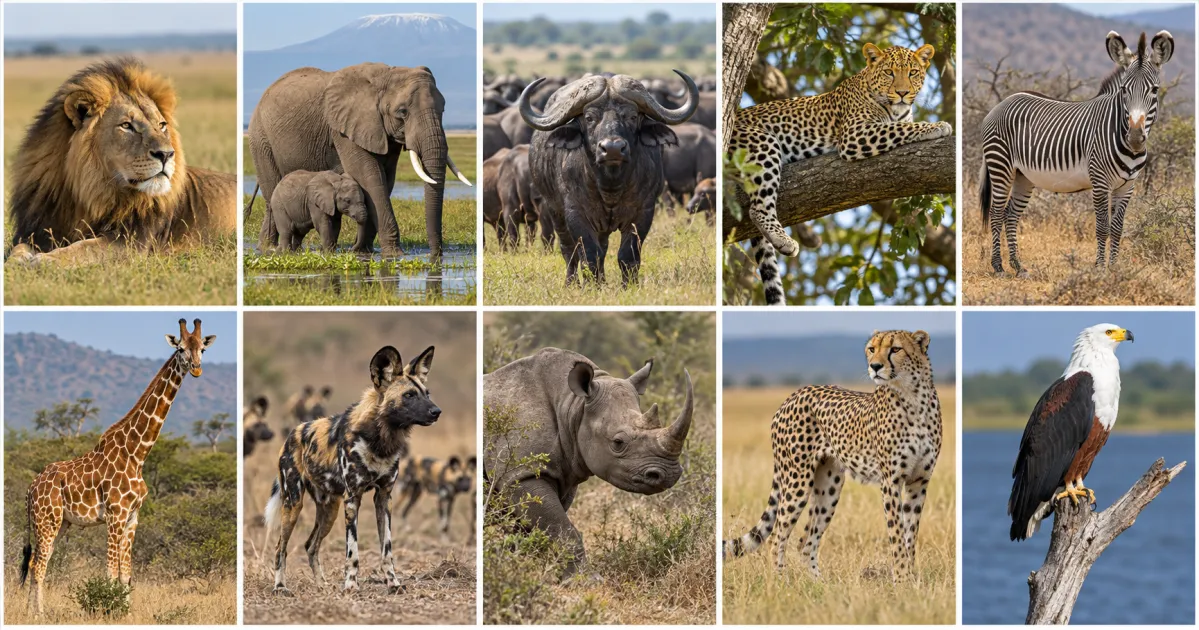
Best time to visit: If you're after the river crossings, then July to October is the time to go in the Maasai Mara. In the Serengeti, the calving season in the southern plains from January to February is a real highlight, and the Grumeti River crossings are around May/June. Normal safari activities include game drives, where you'll have the chance to see the Big Five (lion, leopard, elephant, buffalo and rhino), the cheetah, the giraffe, and many other animals. The difference between the two parks is really just scale: the Serengeti is huge, and the Mara is much smaller, with a much higher concentration of predators. They are, of course, two parts of the same ecosystem, and you get two very different but complementary chapters of the same story.
Kenya's Diverse Wildlife: Kora and Other Parks
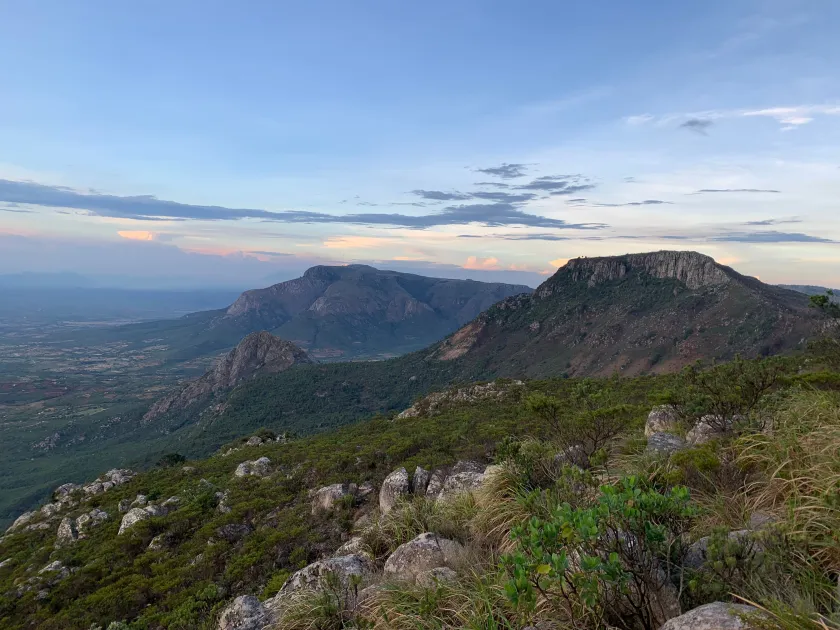
Kora National Park in Kenya is a rugged, wild place with a fascinating history. It was the former home of George Adamson, the so-called 'Father of Lions', who did a great deal of work rehabilitating lions for release into the wild. The park is a mixture of rocky inselbergs, acacia woodlands, and the Tana River, which forms the northern border. It's still a bit of a poaching-scarred place, but it's a real adventure if you're after that.
Kora and the other wildlife parks in Kenya are home to a wide range of animals including elephants, lions, leopards, striped and spotted hyenas and the lesser kudu. The Tana River is also home to a healthy population of hippos and crocs. Conservation is a major part of the Kenyan park experience, with many parks and conservancies having strong community involvement in their conservation work. This is absolutely vital to the long-term survival of the country's wildlife. You can get around the area on guided 4x4s, fish on the Tana River, and go on bush walks to see the smaller things. A lot of the areas are, in fact, rehabilitation centers or safe havens, so they are a very important type of lion park.
Beyond Africa: Unique National Park Experiences Worldwide
Africa is all about the safari, of course. The world is full of national parks, though, which provide just as stunning an experience, albeit a very different one. They are a wonderful showcase of geological features, ecosystems, and cultural significance. You've got the icy fjords of Patagonia, the tropical rainforests of Southeast Asia and so on. They all tell you something about the planet and its biodiversity. Getting away from the savannah and seeing the world differently is a great thing. It opens up a whole new world of adventure for you to experience, whether that be standing before a volcano, walking through an ancient forest, or canoeing down a pristine river in one of the most protected areas on the planet.
Volcanic Wonders: Hawaiʻi's Fiery Landscapes
Hawai'i Volcanoes National Park is a land of fire and creation, featuring two of the world's most active volcanoes (Kīlauea and Mauna Loa). It's a UNESCO World Heritage site and a place where you can see the processes of creation at work in steaming vents, huge lava fields, and, when the going is good, the sheer spectacle of molten rock. It's a very dramatic landscape and a very real example of the power of the forces that shape our planet.
Popular things to do in Hawai'i Volcanoes National Park include driving along Crater Rim Drive and Chain of Craters Road, hiking over solidified lava lakes, and exploring lava tubes. It's a fantastic place for evening stargazing. The park is immensely culturally significant to Hawaiians, who regard it as the home of Pele, the goddess of fire and volcanoes. The park has a range of ecosystems, from lush rainforest to volcanic desert, and is home to species unique to the island that have evolved to survive this harsh environment.
Safety info: When visiting an active volcanic area, you must follow all safety advice. Stick to the marked tracks and heed all closures as areas can be closed for a variety of reasons (hazardous volcanic gases, unstable ground, etc.). Volcanic fumes can be hazardous, particularly for those with respiratory conditions, young children and pregnant women. Wear sturdy, closed-in shoes appropriate for walking on sharp, uneven lava rock and take plenty of water with you. The weather can change at any time, so bring layers and a raincoat.
Mana Pools: A Walking Safari Paradise
Located in northern Zimbabwe, Mana Pools National Park is a UNESCO World Heritage site and is renowned for its walking safaris. It's one of the very few national parks in Africa where you can actually walk the park without a guide. The experience is unique and gives you a real sense of freedom and connection with the bush. It's a very different experience from simply being in a park with a guide. You get the most intimate, thrilling encounters with the wildlife possible.

The Zambezi River dictates the park's entire ecosystem. "Mana" means "four" in Shona and refers to the four large pools, which are essentially the oxbow lakes left behind by the river. The pools and floodplains attract an incredible amount of wildlife, particularly in the dry season (May to October). It's one of the best places in Zimbabwe to see wildlife, with huge numbers of elephants, hippos, crocs, and buffalo. Mana Pools is particularly renowned for its bull elephants, which have learned to stand on their hind legs to reach the nutritious pods of the albida trees. If you're planning a walking safari, you can do it unguided, but it's highly recommended that you do so with one of Zimbabwe's highly trained professional guides. They can read the tracks, understand the animals, and point out all the little things you might miss. If you're after a similarly wild experience in Zimbabwe then Gonarezhou National Park is also well worth a look.
Essential Tips for Responsible Park Exploration
Responsible tourism is absolutely vital if we're to preserve the beauty and character of our national parks for future generations. The single most important thing you can do is to minimize your impact on the environment. Stick to the trails, sort your waste, and wherever possible, conserve water. It may seem like a small thing to do individually, but when the actions of all of us add up, the impact is massive.
Wildlife viewing must be done respectfully for both your safety and the animals' safety. Always keep a safe and respectful distance, never feed the animals, and don't make a fuss of any kind. Binoculars and a telephoto lens are the way to go if you want to get a good look at them. You're just a visitor in their home after all.
Supporting local communities is another major facet of responsible tourism. Wherever possible, choose a tour operator genuinely committed to ethical tourism and that employs local guides. Buy local crafts and souvenirs and eat at local restaurants. Your money is a powerful way to encourage the local community to look after the park. You can also contribute directly by donating to the park's conservation program or taking part in any available volunteer opportunities.
Finally, go for the 'Leave No Trace' principles. That's simple, really: take only pictures, leave only footprints. Pack out everything you pack in and leave the environment exactly as you found it. That's the way to be as a responsible explorer and it goes a long way towards ensuring that these magnificent wild places remain as they are for all who come after.
Destinations Mentioned

Founder of Explola and a passionate advocate for authentic African travel. He writes about safari destinations, conservation, and connecting travelers with trusted local operators across Africa.
Get Safari Tips & Destination Guides
Join our newsletter for exclusive travel tips, wildlife insights, and safari planning advice.