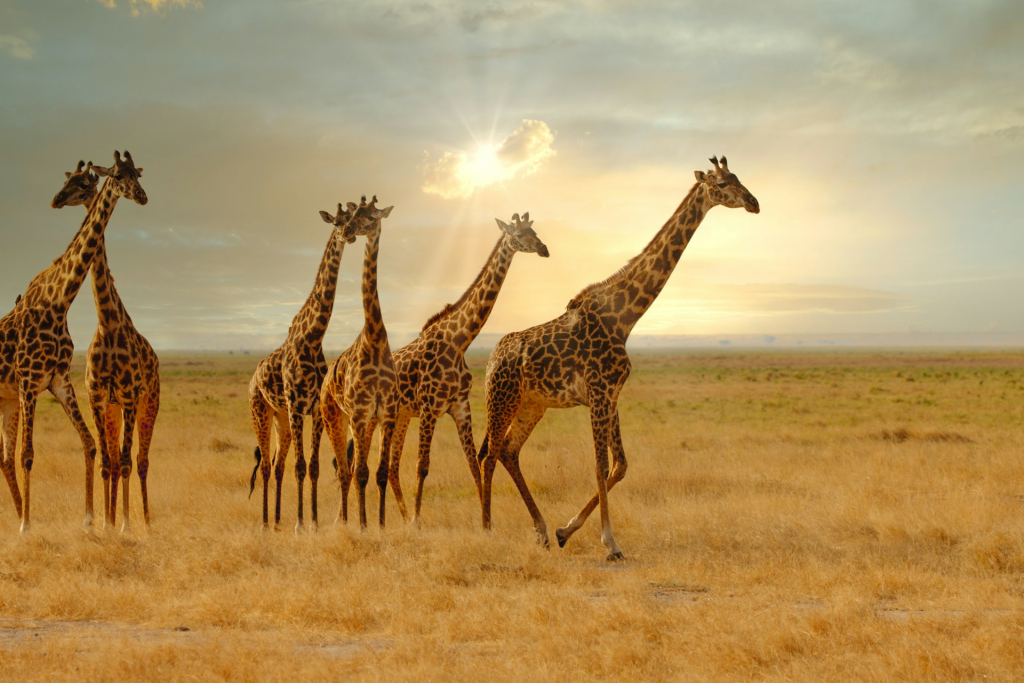
Welcome to an unforgettable adventure. In the heart of Tanzania, Serengeti National Park stands as a tribute to Africa’s wild beauty. It’s more than a place to visit—it’s an experience that stirs the soul. As a UNESCO World Heritage Site, the Serengeti protects one of the world’s richest wildlife populations. Its name comes from the Maasai word "siringet," meaning "the place where the land runs on forever" or "endless plains." This captures the feeling of its wide, sunlit grasslands, scattered with acacia trees and rocky kopjes.
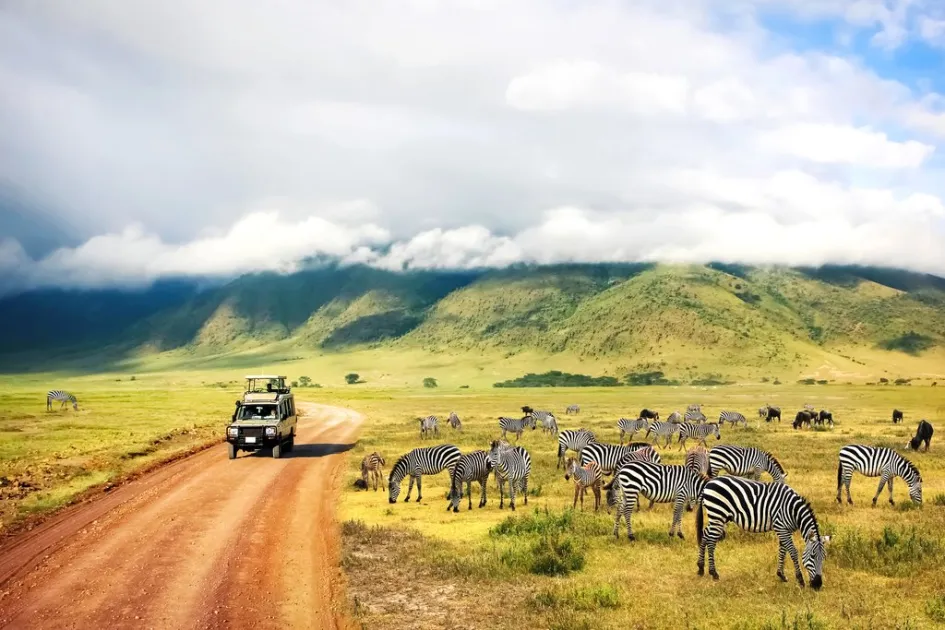
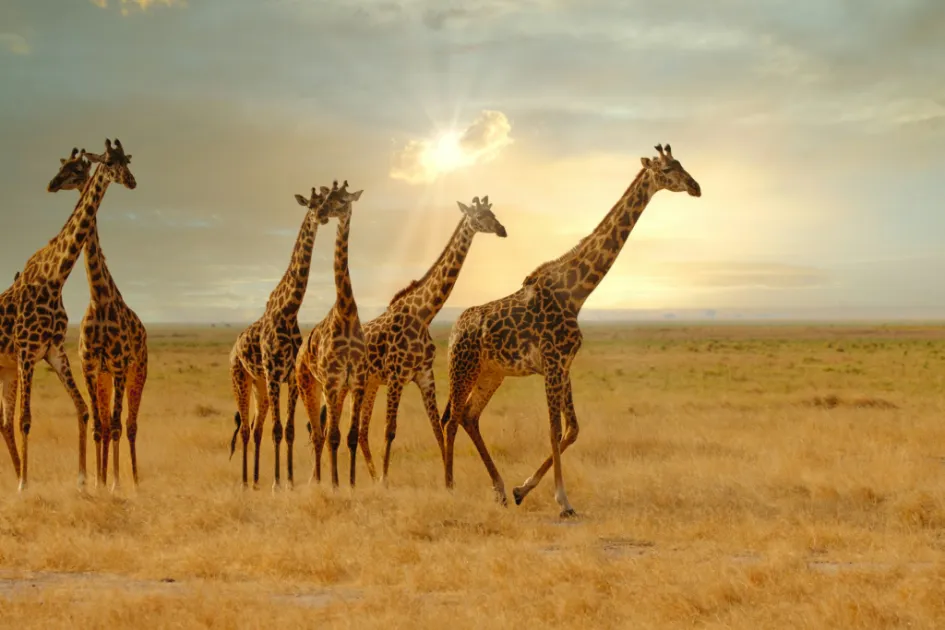
Picture the ground shaking as huge herds of wildebeest and zebra move across the plains, the roar of a lion at dusk, or a giraffe quietly eating from tall branches. This is everyday life in the Serengeti. Whether you’ve traveled before or are planning your first African safari, getting ready for a Serengeti trip means preparing to meet nature at its best. This guide will help you plan a memorable journey, giving you the key details and a taste of the adventure ahead.
World-Renowned Wildlife: The Serengeti is home to the "Big Five" and hosts the largest terrestrial mammal migration on Earth.
Vast Ecosystem: Spanning over 14,763 square kilometers, the park's different landscapes range from grasslands to riverine forests.
UNESCO World Heritage Site: Its environmental importance is recognized globally, shielding one of the oldest ecosystems on Earth.
The Great Migration: Witness over 1.5 million wildebeest and 250,000 zebra on their annual journey for fresh grazing.
Year-Round Destination: Each season delivers a unique safari experience, from the dramatic river crossings of the dry season to the green landscapes and calving season of the wet season.
Diverse Safari Experiences: Choose from classic game drives, breathtaking dawn hot-air balloon rides, or intimate walking safaris.
Welcome to the Heart of Africa: Serengeti National Park
Located in northern Tanzania, Serengeti National Park is a vast wilderness covering about 14,763 square kilometers (5,700 square miles). It forms the core of the larger Serengeti ecosystem, which also includes the Ngorongoro Conservation Area and Kenya's Maasai Mara National Reserve. This immense area is not simply a park but a functioning, ancient ecosystem that has remained largely unchanged for millions of years. Its sheer size allows for the protection of one of the world's most impressive concentrations of wildlife.
The park’s landscape includes many different habitats. The southern plains are wide, open grasslands where wildebeest gather to give birth. In the central Seronera Valley, rivers attract many predators like lions and leopards, which can sometimes be seen resting in tree branches. To the west, the Grumeti River runs through forested areas, and the north has rolling hills and woodlands for a quieter safari. This mix of environments is what allows the Serengeti to support so many kinds of animals.
The Serengeti is one of the world’s most important wildlife refuges and plays a key part in conservation. It protects endangered animals like the black rhino and has Africa’s largest lion population. Tanzania National Parks (TANAPA) manages the park, working hard to stop poaching, support research, and involve local communities. Visiting the Serengeti is more than a holiday—it’s a chance to witness and support a major conservation effort.
Witness the Spectacle: Wildlife and The Great Migration in Serengeti
An African safari in the Serengeti is synonymous with extraordinary wildlife encounters. The park is famously home to the "Big Five"—the lion, leopard, elephant, black rhino, and Cape buffalo. A safari in the Serengeti means seeing amazing wildlife. The park is famous for the "Big Five": lion, leopard, elephant, black rhinoceros, and Cape buffalo. You can often see lions in the Seronera Valley, leopards hiding in the forests, elephants in the northern woodlands, and buffalo all over the park. The black rhino is rare and hard to spot, but thanks to conservation work, its numbers are slowly growing, making any sighting special. The park is likewise a haven for predators, boasting significant populations of cheetahs, hyenas, and wild dogs. With over 500 bird species recorded, it is a paradise for ornithologists as well.
The Serengeti's highlight is the Great Migration. Every year, over 1.5 million wildebeest, along with many zebras and gazelles, travel in a huge circle across the region. They move to find fresh grass and water, facing many challenges along the way. The calving season from January to March in the southern Ndutu area brings thousands of newborns and attracts many predators. The most exciting scenes are the river crossings at the Grumeti and Mara Rivers, usually from June to October, where the animals must brave strong currents and crocodiles to reach new grazing areas.
To get the best wildlife sightings, rely on your expert guide. They are trained to spot animals like leopards in trees or lion cubs hidden in the grass from far away. Be patient—sometimes the best moments come after waiting quietly. If you enjoy photography, bring a telephoto lens for close-up shots. Everyone should have good binoculars to see the animals up close.
Planning Your Ideal Serengeti National Park Safari
When to goa Serengeti National Park safari depends entihat you want to experience. The park is a fantastic year-round destination, with distinct seasons offering different highlights. The dry season, from June to October, is often considered the best time for general wildlife viewing. During these months, vegetation is sparse, and animals congregate around rivers and waterholes, making them easier to spot. This time also coincides with the dramatic Mara River crossings in the northern Serengeti, a true bucket-list spectacle.
Conversely, the wet season, spanning from November to May, transforms the terrain into a lush, green paradise. This is the prime time for birdwatching, as migratory species arrive in droves. From January to March, the southern plains become the epicenter of the Great Migration's calving season, offering incredible predator-prey interactions. While the "long rains" in April and May can bring heavier downpours, this "green season" often means fewer crowds and lower prices.
The ideal duration for your safari tour depends on your interests and budget. A short 3- to 4-day trip can offer a fantastic introduction, typically focusing on the wildlife-rich Seronera Valley in the central Serengeti. For a greater immersive experience, we recommend an extended adventure of 5 to 7 days or more. This lets you explore different regions of the park, follow the Great Migration, and truly soak in the wilderness without feeling rushed.
The Serengeti offers a variety of safari experiences to suit every tourist. The classic game drive in a 4x4 vehicle with a pop-up roof is the most popular way to explore, providing safety and excellent vantage points. For a different perspective, a sunrise hot air balloon safari offers stunning sweeping vistas of the plains and the animals below. In designated areas, guided walking safaris offer an intimate, exciting way to connect with the bush, learn about smaller creatures, track animals, and appreciate the flora up close.
Choosing the Best Serengeti Safari Packages and Tours
With a wide array of Serengeti safari packages available, finding the right one is key to a successful trip. The first decision is often between a group There are many Serengeti safari packages to choose from, so picking the right one is important. First, decide between a group tour or a private safari. Group tours cost less and let you meet other travelers, but they have set schedules. Private safaris are more flexible and can be tailored to your interests, which is great for photographers, families, or anyone with special requests. You’ll find options for every budget, from simple camping trips to mid-range lodges and luxury tented camps with top amenities, accommodation, meals (as specified), a 4x4 safari vehicle with a professional driver-guide, and drinking water in the vehicle. Common exclusions are international flights, Tanzanian visas, travel insurance, tips for your guide, and personal expenses like drinks and souvenirs. Always read the fine print to avoid surprises.
Budgeting for a Serengeti safari depends on several factors. The time of year plays a major role, with the peak dry season (June-October) costing the most. Accommodation level is the biggest variable, ranging from a few hundred dollars per night for budget options to several thousand for exclusive luxury lodges. Trip duration and whether you choose a private or group tour will also heavily influence the final cost. For the best value, consider traveling during the shoulder seasons (like November or May), when prices may be lower, but wildlife viewing remains excellent.
Before booking your Serengeti National Park tour, ask potential operators a few key questions. Inquire about the guide's experience and qualifications, the age and condition of their vehicles, the maximum number of people per vehicle on group tours, and their policy on dietary restrictions. A reputable operator will be transparent and happy to answer all your questions, ensuring your Serengeti vacation package meets your expectations.
Crucial Tips for Your Serengeti Vacation
Proper preparation is essential for a pleasant and enjoyable Serengeti vacation. Focus your packing list trate on pra,al and versatile items. Choose lightweight clothing in neutral colors like khaki, beige, and olive green to blend in and deter insects. Layering is key, as early mornings can be chilly while midday is warm. Pack long-sleeved shirts and trousers for sun and mosquito protection. Don't forget comfortable, closed-toe footwear, a wide-brimmed hat, sunglasses, and high-SPF sunscreen. Essential gear includes a good camera with a zoom lens, binoculars for wildlife viewing, a portable power bank, and a universal travel adapter.
Health and safety are paramount. Consult your doctor or a travel clinic 4-6 weeks before your trip to discuss necessary vaccinations and malaria prophylaxis. Comprehensive travel insurance that covers medical emergencies and evacuation is mandatory. While on safari, always follow your guide's instructions. Stay in the vehicle during game drives unless in a designated safe area, never feed the animals, and keep noise levels to a minimum to avoid disturbing the wildlife. Respecting the wilderness is the best way to stay safe.
Accommodation options within and around the Serengeti serve every preference. Luxury lodges feature stunning views, swimming pools, and fine dining. Tented camps offer an authentic, close-to-nature experience without sacrificing comfort, frequently with en-suite bathrooms and private verandas. For those on a tighter budget, public campsites offer a more rustic adventure under the stars. Book your accommodation well in advancent, notably during peak season.
Finally, practicing responsible tourism helps make your visit positive for the Serengeti. Support local communitiesbuying real crafts, resperespectingl customs, and pick tour operators choosingre about sustainthatlity. Reduce your impact by avoiding single-use plastics, since Tanzania bans plastic bags, and by saving water. Traveling thoughtfully helps protect the Serengeti for future generations.
Your Unforgettable Serengeti Adventure Beckons
The Serengeti is more than a place to visit—it’s a journey into the heart of nature. The endless horizons and countless chances for wonder make it special. Whether you witness the excitement of a river crossing or the calm of a sunrise, the memories you make here will last. The vast landscape, rich wildlife, and the Great Migration all come together for an experience that is both humbling and thrilling. In the Serengeti, you become part of its story, even if just for a short time. The experience can change how you see the world and stays with you long after you leave.
The first step to experiencing the Serengeti is to plan your trip. Research the best time to visit based on what you want to see, like the calving season or the dramatic river crossings. Look at different safari packages to find one that fits your style and budget, whether you want luxury or a simple camping trip. Contact experienced tour operators who can help you create the perfect safari. Your African adventure is closer than you think. The Serengeti’s endless plains await, so start planning your trip today and get ready to discover Africa’s wild beauty.
Frequently Asked Questions about Serengeti National Park
What is the best month to visit the Serengeti?
The best time to visit depends on your interests. For general wildlife viewing and to see the Great Migration's river crossings, the dry season from June to October is ideal. For the calving season, plan your trip between January and March. For lush landscapes and fewer crowds, visit during the green season, November to May.
Is a safari in the Serengeti safe for tourists?
Yes, safaris in the Serengeti are very safe when traveling with a reputable tour operator. Professional guides are highly trained in wildlife actions and safety procedures. The key is always to follow their instructions, such as staying inside the vehicle during game drives and not approaching animals on foot.
Can I see all of the "Big Five" animals on a Serengeti safari?
The Serengeti is one of Africa's best places to see the Big Five. You can commonly see lions, leopards, elephants, and buffalo. The black rhino is critically endangered and much more elusive, but sightings are possible, especially with a knowledgeable guide and some luck. There are no guarantees, but your chances are excellent.
How many days do I need for a Serengeti safari?
A short 3-day safari can give you a taste, but a 5- to 7-day trip is recommended for a more thorough experience. This lets you explore different regions of the vast park, increases your chances of seeing varied wildlife, and complets you letely immerse yourself in the safari without being rushed.
What kind of accommodation is available in the Serengeti?
The Serengeti offers a wide variety of lodging options to suit all financial plans and tastes. These include high-end luxury lodges with premium amenities. These intimate and comfortable tented camps offer an authentic bush experience, and basic public campsites for budget-conscious travelers who bring their own gear or rent it.
Do I need a visa to travel to Tanzania?
Most nationalities require a visa to enter Tanzania. You can often obtain it online in advance through the official government portal or upon arrival at major airports like Kilimanjaro International Airport (JRO). Check the latest visa requirements for your nationality well before your travel dates.
What currency should I bring for my safari?
The official currency is the Tanzanian Shilling (TZS), but US Dollars are widely accepted, especially for larger payments like safari packages and tips. Bring US dollars printed after 2009, as older bills are often not accepted. Having some local currency for smaller purchases at markets can also be useful.
Ready to experience this?
Explore Related Safaris
Destinations Mentioned

Founder of Explola and a passionate advocate for authentic African travel. He writes about safari destinations, conservation, and connecting travelers with trusted local operators across Africa.
Get Safari Tips & Destination Guides
Join our newsletter for exclusive travel tips, wildlife insights, and safari planning advice.