You've found a July flight, shortlisted a Serengeti camp, and started picturing wildebeest thundering through the Mara River. Then you discover that the migration doesn't follow your booking calendar, and that “dry season” can mean something very different in northern Serengeti, Ndutu, Tarangire, or Mahale. The right answer to the best time to safari in Tanzania depends on the sight you want, not the month printed on a brochure.
A river crossing, newborn wildlife, Kilimanjaro summit conditions, migratory birds, and quiet photographic drives each have their own timing. Use the calendar below to match your priorities to the terrain, then book the region that delivers them.
Why Timing Shapes Every Tanzania Safari
A traveler once booked a July Serengeti safari with one clear expectation, river crossings. The itinerary looked sensible, the month was widely recommended, and the dry-season label felt reassuring. But the camp was positioned in the southern plains, where the experience was shaped by calving and predator activity rather than the northern Mara crossings.
Nothing had gone wrong with the safari. The mistake was choosing a month without checking the migration's location. The Great Migration is a continuous annual cycle, moving between southern, central, western, and northern parts of the ecosystem. Tanzania's destination overview makes that wider geographic context useful because “Tanzania” includes several safari regions with different access, habitats, and seasonal strengths.
The same country offers different safari seasons
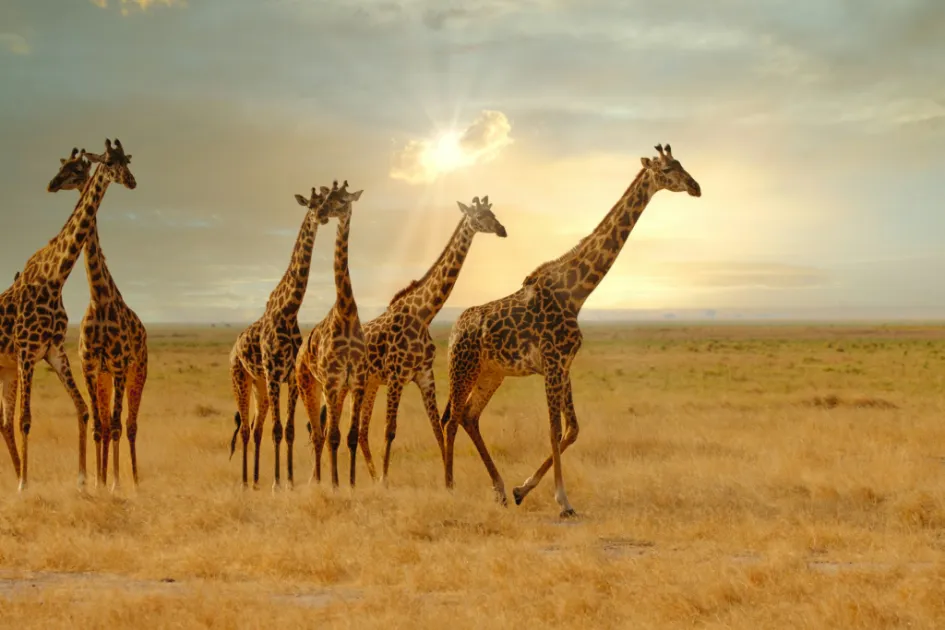
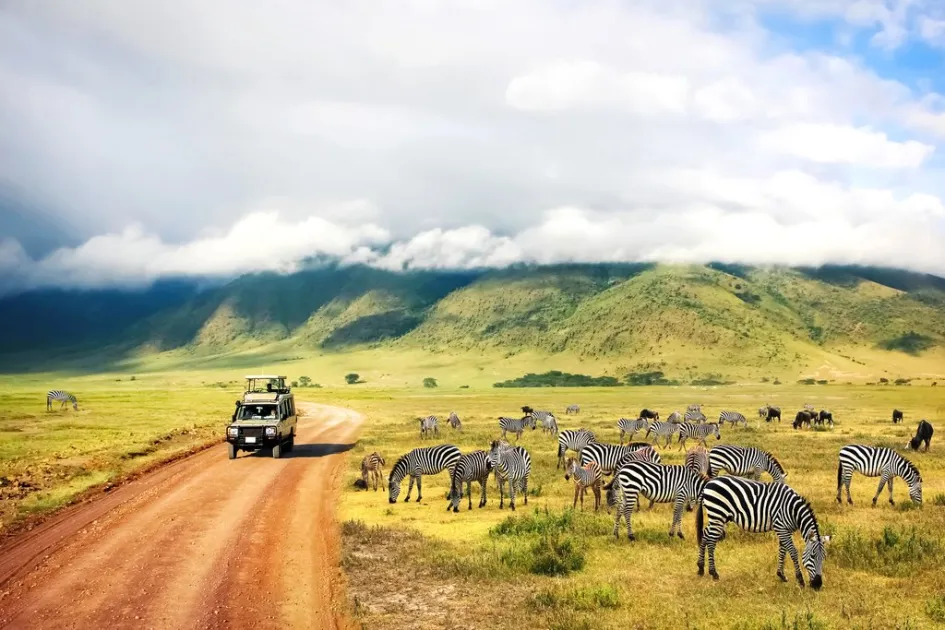
The dry season from June to October is the most widely cited period for reliable wildlife viewing. Reduced rain draws animals toward remaining water, vegetation becomes thinner, and roads generally become easier to use, particularly in the northern circuit. Tanzania's dry-season guidance identifies this period as especially strong for wildlife concentration and clearer sightlines.
That recommendation works well for travelers who want classic game drives, elephants around Tarangire, or broad northern-circuit coverage. It doesn't automatically place you beside a river crossing, though. Those crossings are usually associated with the northern Serengeti from July through October, while calving in Ndutu and the southern Serengeti is concentrated around January through March, with January and February especially valuable for the event.
Your dates decide more than wildlife
Timing also affects road conditions, camp operations, internal flights, trail quality, crowding, and price. Heavy long rains from mid-March through May can make some tracks muddy and can affect access to remote camps, while the shorter wet period around November to mid-January can produce greener scenery and more dispersed herds.
So stop asking for one universal “best month.” Start with a direct question:
Which experience would disappoint you most if you missed it?
If the answer is a Mara River crossing, plan for the northern Serengeti in the dry-season migration window. If it's newborn animals and predator action, choose Ndutu during the calving period. If you want Kilimanjaro as well as wildlife, prioritize a dry climbing window. Your objective should determine your dates, and your dates should determine your route.
How Tanzania's Seasons Actually Work
Tanzania's safari calendar is governed by rainfall, but it's more useful to think in terms of two favorable travel windows rather than a simple good-season versus bad-season split. The principal dry season runs from June to October. A shorter dry break occurs around late December through February, with January and February standing out for calving in the southern Serengeti.
The heavier long rains typically arrive from mid-March through May. A shorter rainy period falls around November to mid-January, although the exact start and intensity can vary. Rain changes the practical safari experience by affecting grass height, track conditions, water distribution, and how widely animals spread.
Read the landscape before reading the calendar
During dry months, remaining water sources become more important. Wildlife often gathers nearby, shorter vegetation improves visibility, and vehicles can move more reliably on many routes. That combination makes the northern circuit particularly dependable for conventional game viewing from June through October.
The wet season creates a different environment. Fresh forage and widespread water can disperse herds, while taller grass and muddy tracks may make some sightings and drives less efficient. Yet the green months also bring richer scenery, dramatic skies, lower crowding, and valuable calving conditions in the south. The seasonal overview for Tanzania captures this trade-off clearly, especially for travelers weighing access against scenery and wildlife behavior.
Tanzania's two-season climate at a glance
| Month | Rainfall Pattern | Vegetation | Wildlife Visibility |
|---|---|---|---|
| January–February | Short dry break, with occasional rain possible | Green and productive | Strong around southern Serengeti calving areas, though grass can be fuller |
| March–May | Heaviest long rains | Lush and taller | More dispersed in some regions, with access more variable |
| June–October | Main dry season | Thinner and drier | Strongest overall visibility in many northern parks |
| November–December | Short rains | Freshening and green | Good in selected areas, with more variable road conditions |
Regional differences matter. Tarangire can remain appealing during greener shoulder periods, while the Serengeti and Ngorongoro broadly follow the dry and wet pattern above. Western parks such as Mahale and Katavi have more specialized access calendars, tied to remote logistics, lake conditions, and boat operations. A countrywide recommendation can therefore be directionally useful, but it isn't precise enough for a serious itinerary.
Following the Great Migration Month by Month
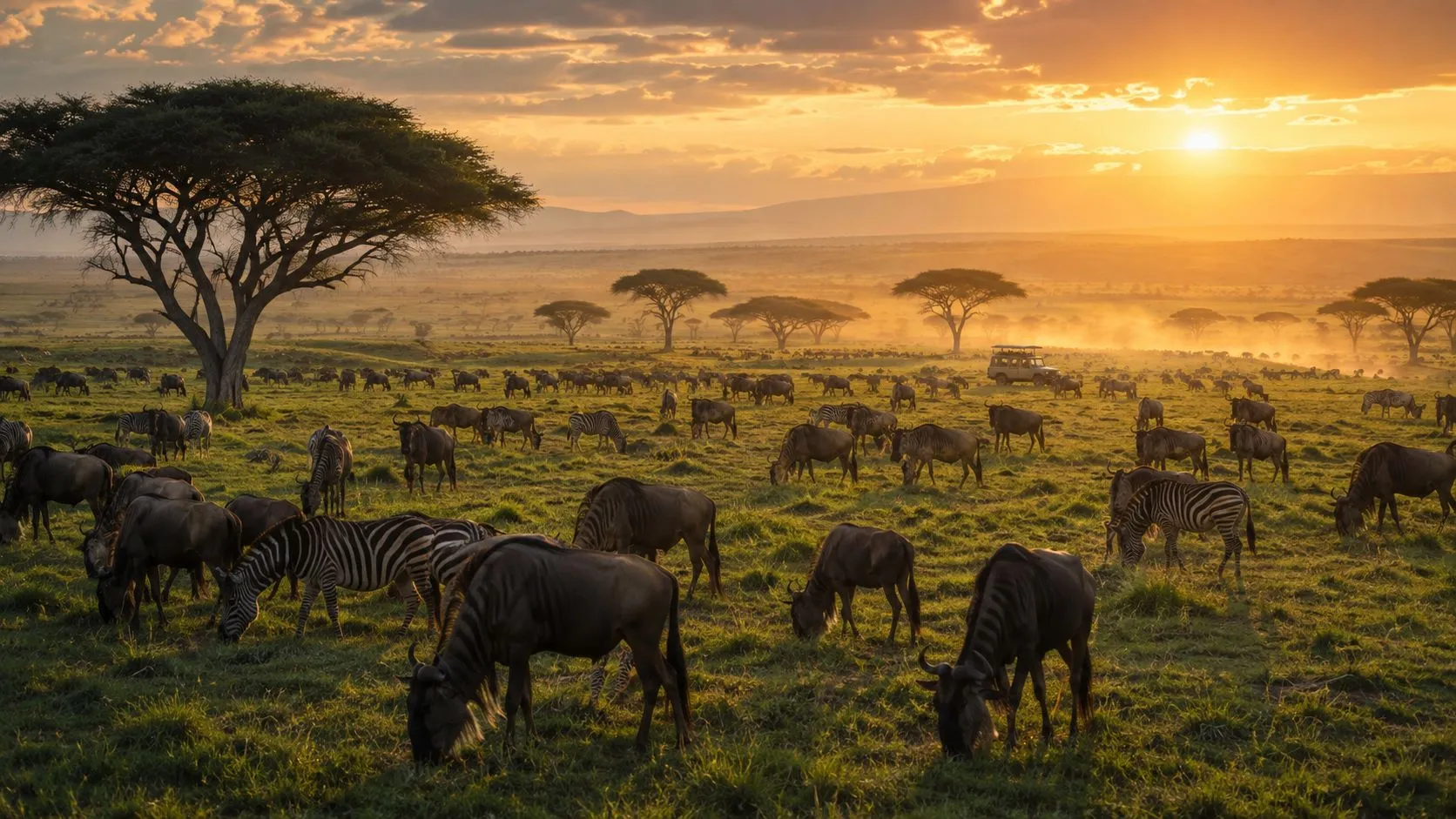
The Great Migration isn't a single parade that arrives on a fixed date. It's a continuous movement through the Serengeti ecosystem, and rainfall can shift the precise position of the herds. The broad pattern remains useful, but your operator should match camp location to current conditions rather than relying on a generic annual chart.
January through March in Ndutu
The cycle begins in the southern Serengeti and the Ndutu area, where calving is generally concentrated from January through March. January and February are the strongest choices for travelers who want newborn wildebeest, vulnerable young animals, and intense predator-prey interactions on open plains.
Choose a mobile camp or a lodge in the Ndutu and southern Serengeti zone rather than a northern camp marketed solely around river crossings. It is often green, and the experience can feel more intimate than a high-demand river-viewing itinerary. Predator activity is the main attraction here, not a dramatic water crossing.
April through June across the central and western Serengeti
As the herds move north, they pass through the central Serengeti and toward the western corridor. April and May bring the heaviest long rains, so access can become difficult and some roads may be muddy. June is a more practical month for following movement toward the western corridor, especially when your itinerary uses strategically placed camps rather than one fixed base.
The Grumeti region is the relevant zone for travelers interested in the western phase. Mobile camps around the Western Corridor can work better than a distant central lodge because they reduce the cost of chasing a moving event. Conditions remain variable, so treat early river activity as a possibility within the broader movement, not a guaranteed appointment.
July through October in the northern Serengeti
The northern Serengeti becomes the priority for Mara River crossings from roughly July through October. Kogatende and the broader Mara River area are the camp zones to discuss with an operator. July is a logical starting point for travelers determined to see early crossings, but August and September can also produce compelling action.
Crossings are unpredictable. Herds may gather for days, cross suddenly, turn back, or use a different point along the river. This is why a well-positioned camp and a guide who monitors local movement matter more than a promise tied to one calendar date. Travelers preparing for remote water-based adventures can also review guidance on preparing for a Great Lakes crossing, especially when thinking through safety, equipment, and changing conditions around large bodies of water.
For a route built specifically around this annual cycle, compare Great Migration safari itineraries by camp zone, rather than comparing dates alone.
November and December on the return south
Short rains help trigger the herds' return movement toward the southern Serengeti. November and December can offer green scenery, migratory bird activity, and quieter game drives, but the herds' precise position is less predictable than the broad dry-season northern window. If your priority is a crossing, don't choose these months. If you want a broader safari with changing scenery, they can work well in the right parks.
Best Months for Kilimanjaro, Birding, and Other Objectives
Migration isn't the only reason to choose Tanzania carefully. The strongest month for one objective can be an awkward month for another, particularly when you combine safari with a mountain climb or specialist wildlife activity.
Kilimanjaro climbing
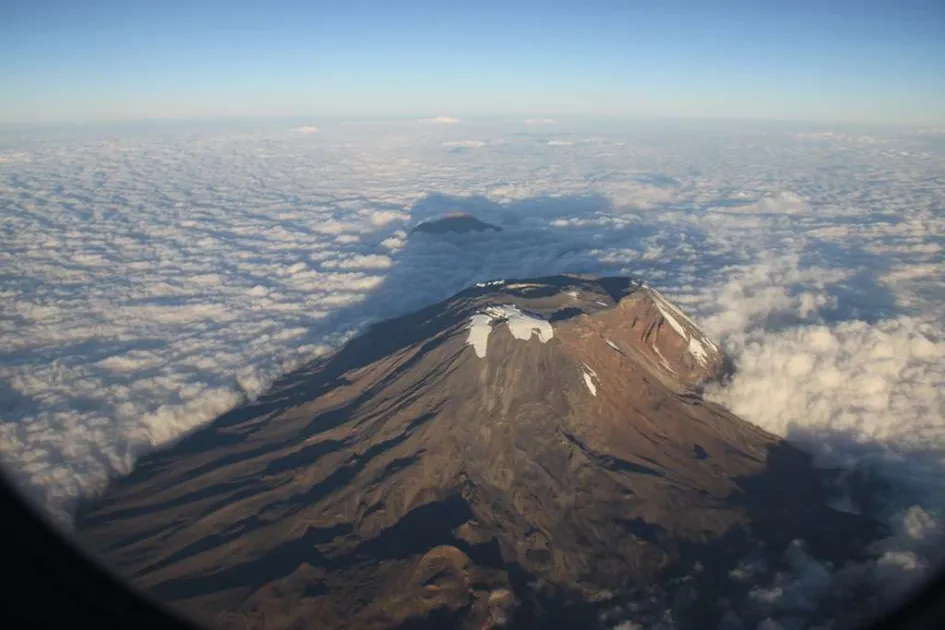
The two most dependable climbing windows are January to mid-March and June to October. These periods generally offer more favorable trail and summit conditions than the rainy shoulder months. Long rains from mid-March through May can make routes wet and slippery, while the shorter rains around November and mid-January can also complicate the climb.
If Kilimanjaro is central to the trip, build the safari around the mountain rather than adding a climb as an afterthought. The Kilimanjaro trek package guide can help you compare route-focused itineraries before you attach wildlife days.
Birding and photography
Birders should look seriously at November through April, when resident species and seasonal migrants make the green period especially rewarding. Lake Manyara, Tarangire, Ndutu, and the Usambara foothills offer different habitats, so your target list should guide the route.
Photographers often prefer the wet season's atmosphere. Lush grass, cloud build-up, reflective puddles, and softer dawn or dusk light can produce more depth than the hard glare of a cloudless dry-season afternoon. The trade is that animals may be less concentrated, and roads require more careful planning.
Predators and chimpanzees
For predators, dry-season drives in the southern Serengeti, Ngorongoro, and other northern parks provide strong visibility because animals are easier to detect in thinner vegetation and resident prey can be more concentrated. For chimpanzee trekking in Gombe and Mahale, July through October is the practical dry corridor for forest access, although fruiting patterns can differ between the parks.
| Objective | Best Months | Best Parks |
|---|---|---|
| Mara River crossings | July–October | Northern Serengeti |
| Calving and predator action | January–March | Ndutu and Southern Serengeti |
| Kilimanjaro climbing | January to mid-March, June–October | Kilimanjaro |
| Birding | November–April | Lake Manyara, Tarangire, Ndutu, Usambara foothills |
| Chimpanzee trekking | July–October | Gombe and Mahale |
| Photographic landscapes | Green-season windows | Serengeti, Ngorongoro, Tarangire |
Peak Season Versus Shoulder Months
Your priority should decide the season, not a generic “best time” label. Peak travel gives you the most predictable classic safari conditions, but demand is higher and flagship areas are busier. The main dry-season peak runs from June through October. Late December through mid-March is another strong window, particularly for calving-focused trips.
Shoulder and green months trade certainty for space. You may find fewer vehicles, greener scenery, and more flexible pricing, while changing road conditions can require a more adaptable route. Wildlife is also less concentrated in some regions. A safari-industry survey reported that April, May, September, and October represented 38% of safari enquiries in 2025 according to Mawenzi Adventures, suggesting that travelers are weighing crowding, cost, and seasonal events together.
Compare the trade-offs
Top Serengeti camps can charge two to three times shoulder-season pricing during peak periods. Mara River crossings also draw concentrated vehicle traffic, and viewpoints in smaller areas such as Ngorongoro can feel crowded during popular sightings.
The green season deserves its own consideration. Southern Serengeti calving, vivid scenery, and dramatic skies can suit photographers, repeat safari travelers, and anyone who values space over maximum predictability. March and April demand more caution because multi-day downpours can affect roads and camp access.
| Factor | Peak June–October | Shoulder November–March | Green Season March–May |
|---|---|---|---|
| Wildlife concentration | Strong in many northern parks | Strongest around calving areas in the south | More dispersed in some regions |
| Roads | Generally more reliable | Variable after rain | Most challenging |
| Crowding | Highest around famous sightings | Often lighter | Usually lightest |
| Scenery | Dry, open, clear | Fresh and changing | Lush, dramatic, and saturated |
| Best for | Classic game viewing and crossings | Calving, birding, and balanced itineraries | Solitude, scenery, and value |
| Access | Broadest northern-circuit access | Selective planning required | Some camps and routes may be limited |
Choose July or August when a Mara crossing is the main objective, although the wider crossing window extends beyond those months. Choose January or February for calving. Choose April or May only if green-season conditions are part of the appeal, and book an operator able to adapt the route when rain changes access.
Common Timing Myths Worth Retiring
Tanzania timing advice gets repeated until useful nuance disappears. Three myths cause the most avoidable mistakes.
Myth one says the rainy season is unusable
It isn't. Southern and western circuits can remain operational, and the calving season in Ndutu occurs during the wetter green period. Fresh forage, newborn animals, predator activity, and dramatic skies create a serious safari experience, even when roads need more care.
The important distinction is between operational and predictable. Some remote camps close or become harder to reach during the long rains, so you should choose regions and lodge styles that fit the conditions. Independent travel guidance notes that international arrivals reached 2.29 million in 2025, up 7.1% year on year, while travelers continued diversifying their timing and destinations as reported in this Tanzania safari safety and travel guide.
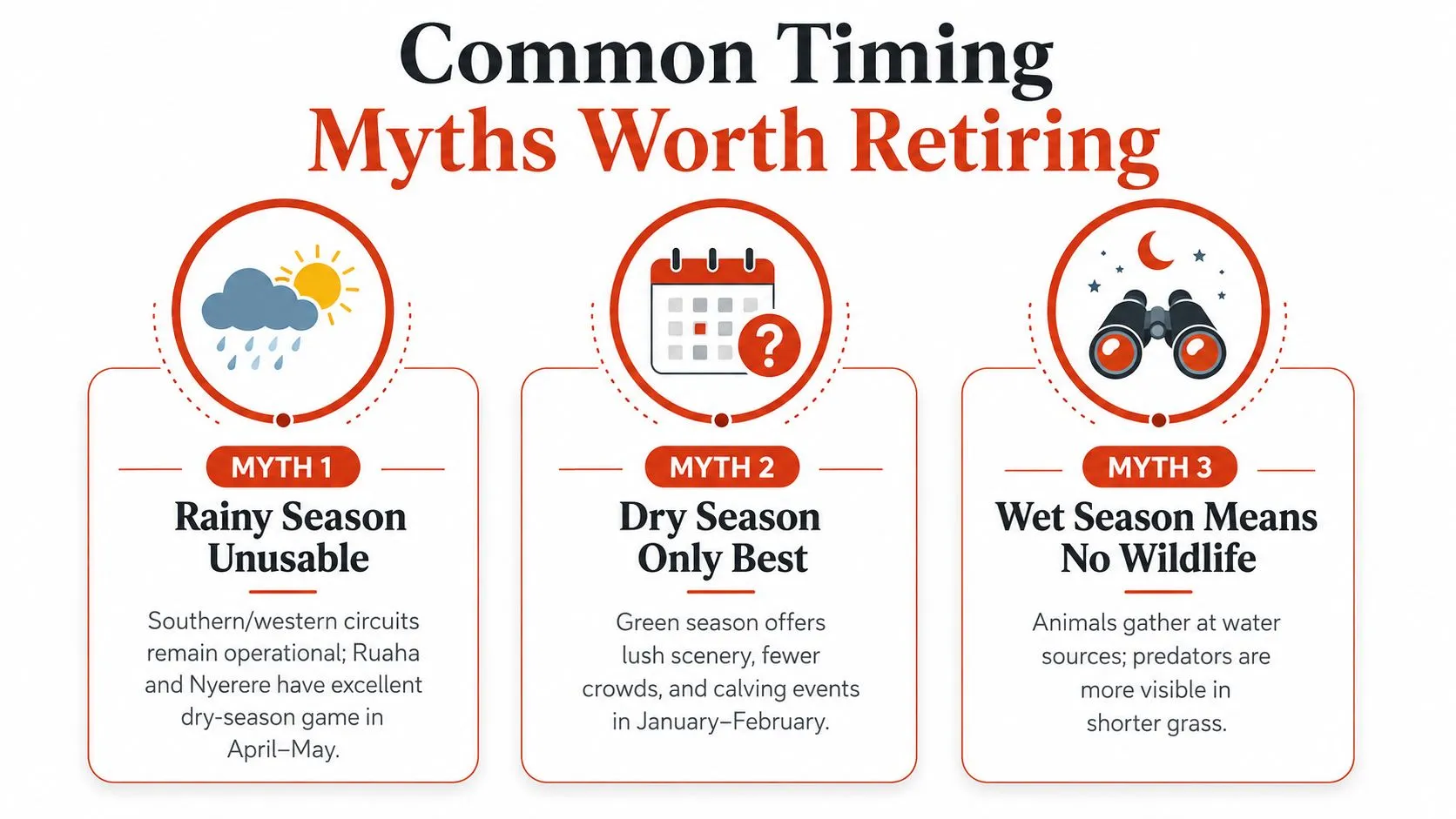
Myth two says July is always best
July is a strong choice for early northern migration activity, but it doesn't own the calendar. River crossings can continue through August, September, and October, while February in the southern Serengeti offers a completely different spectacle, with calving plains and active predators.
If you dislike crowds, don't assume the earliest peak month is automatically superior. If you want the most intimate migration experience, calving season may suit you better than a famous crossing viewed alongside many other vehicles.
Myth three says Tanzania follows one calendar
The northern Serengeti, Ndutu, Tarangire, southern parks, and western lakeside parks don't operate as one uniform destination. Their wildlife movements, roads, camp seasons, and flight logistics differ.
The rule that replaces all three myths: choose the month that matches the sight you want, not the season printed in a brochure.
A Practical Booking Timeline and Pre-Trip Checklist
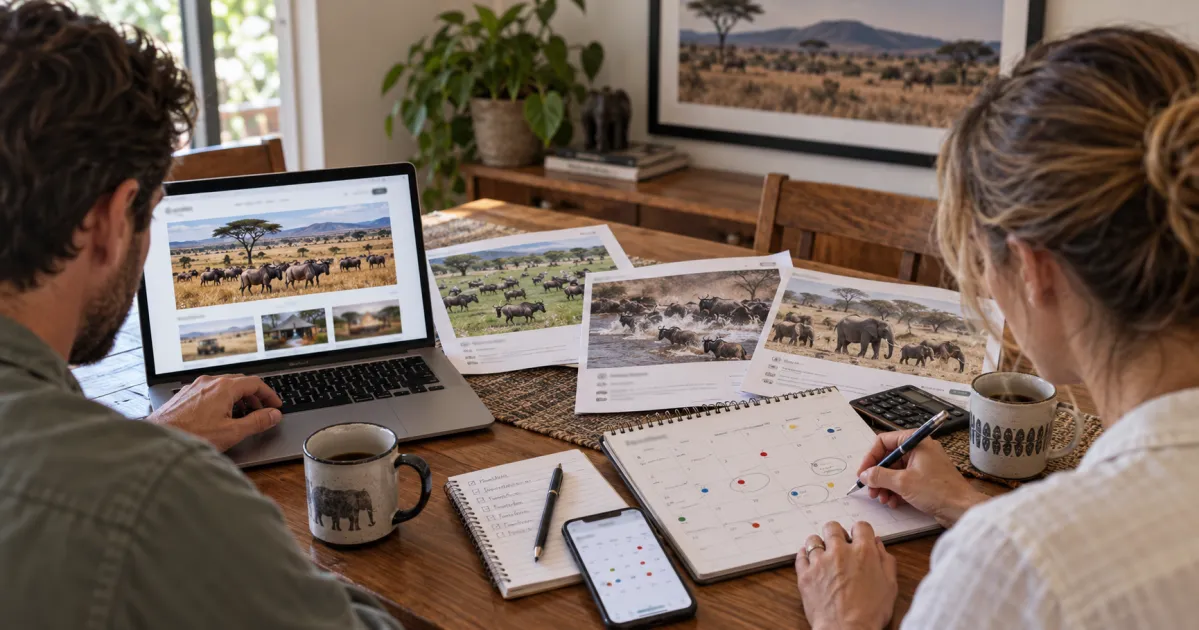
Good timing only helps if you secure the right camp, route, and transport. Start with the event you want, identify its habitat, then ask an operator to place the itinerary in that zone. For July and August river-crossing trips, send lodge enquiries 10 to 12 months ahead. Shoulder-month planning can begin 6 to 8 months out, while green-season trips often allow 4 to 6 months for a well-organized booking, subject to camp availability.
Work backward from the departure date
At the earliest stage, ask for specific camp zones, not just “Serengeti.” For a northern migration itinerary, discuss Kogatende and the Mara River area. For calving, request Ndutu or the southern Serengeti. Operators should explain whether the proposed camp is permanent or mobile, which airstrip serves it, and how the route changes if the herds move early.
Before paying a deposit, confirm the practical details below:
Verify the event window: Ask the operator how they monitor river-crossing conditions instead of trusting a generic migration chart.
Check airstrip operations: Confirm domestic flight schedules into remote airstrips such as Kogatende or Kuro, particularly during shoulder months.
Ask about road access: Get a clear answer on long-rain conditions, possible closures, and alternative parks.
Match lodge style to season: Some remote camps may close or operate with restricted access during heavy rains.
Review the complete quote: Check park fees, transfers, flights, meals, activities, and accommodation inclusions before comparing itineraries.
Confirm climbing logistics: If Kilimanjaro is included, verify your route, start gate, acclimatization plan, and weather contingency.

Complete the final checks
As departure approaches, confirm visa requirements, yellow fever documentation where applicable, travel insurance, medical advice, and any altitude medication needed for a Kilimanjaro climb. Pack light layers for changing temperatures, rain protection for green-season travel, and suitable footwear for muddy tracks or mountain trails.
Don't let a broad “best month” recommendation make the final decision for you. Put the wildlife objective, camp position, access plan, and backup route in writing before you approve the itinerary.
Explola lets you compare Tanzania safari itineraries by destination, dates, budget, lodging level, group size, and special interests, then send direct enquiries to verified operators. Visit Explola to shortlist routes for river crossings, calving, Kilimanjaro, or a broader northern-circuit safari and request quotes that match your chosen season.
Tags

Daniel writes for the Explola blog, where he covers African safari destinations, wildlife, travel trends, and practical trip planning. His work is centered on making safari travel easier to understand, compare, and plan.
Get Safari Tips & Destination Guides
Join our newsletter for exclusive travel tips, wildlife insights, and safari planning advice.