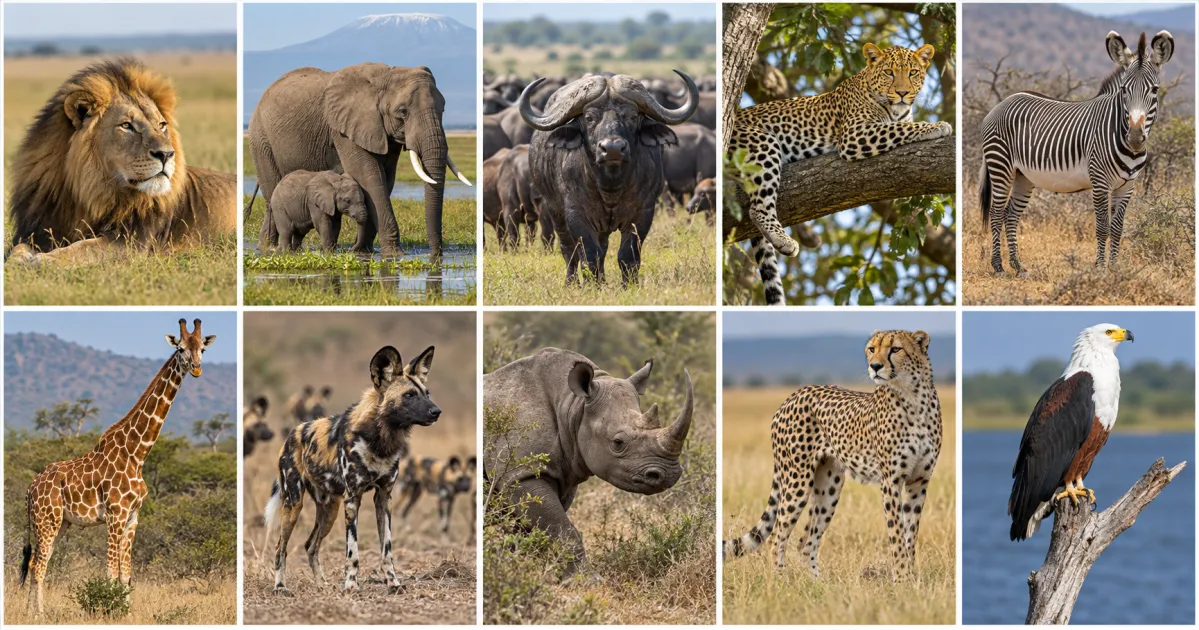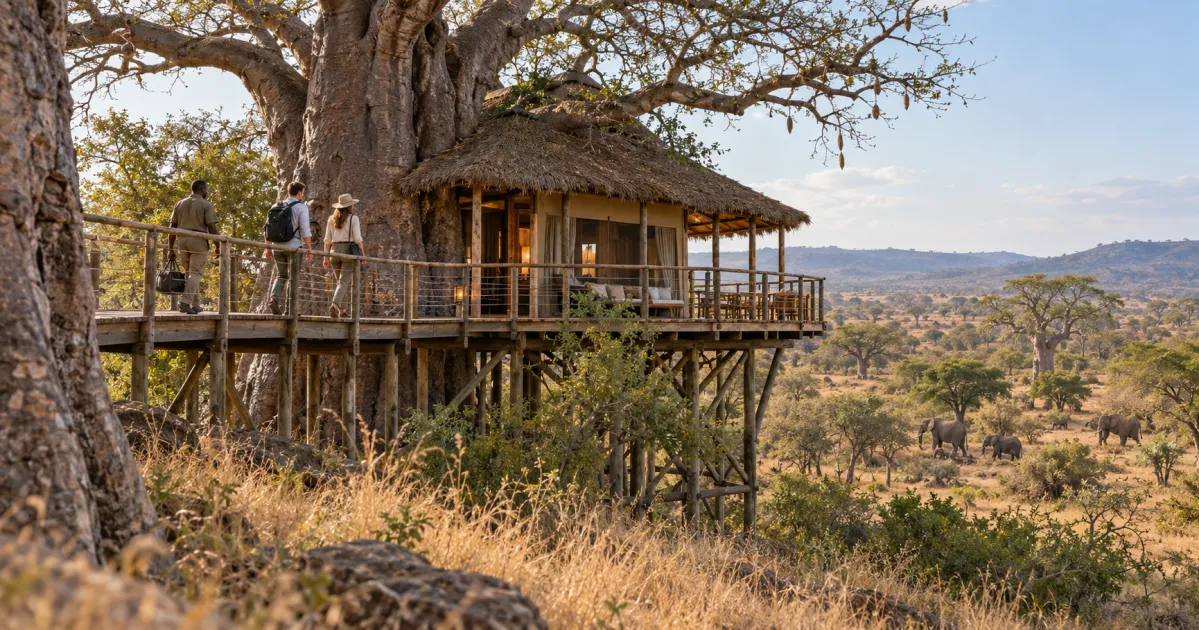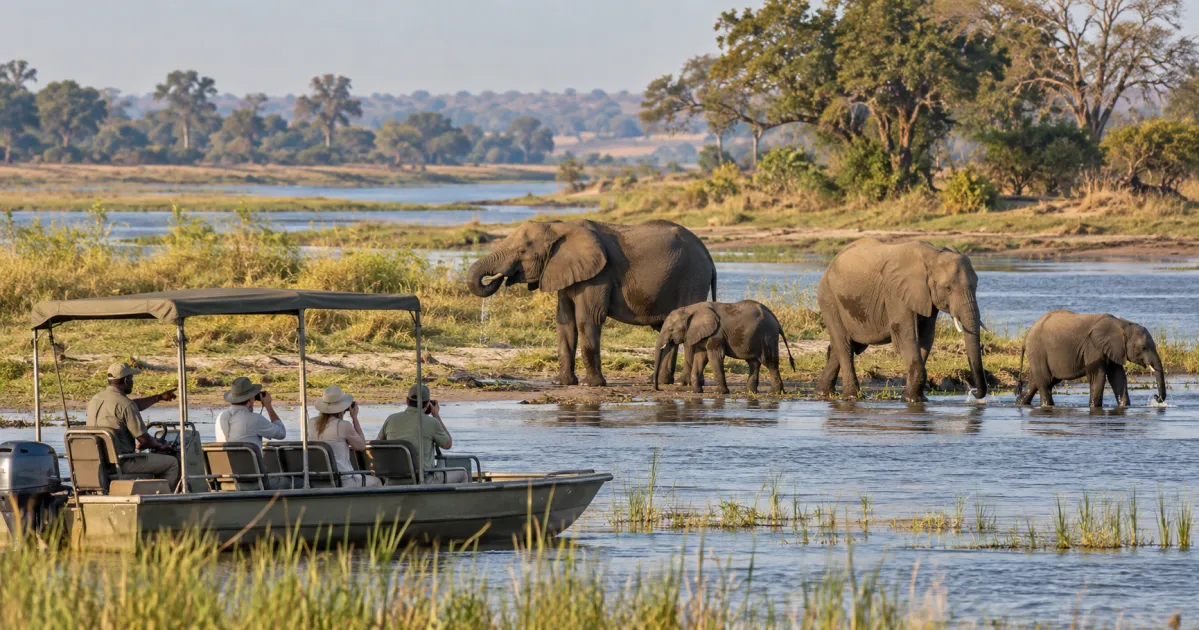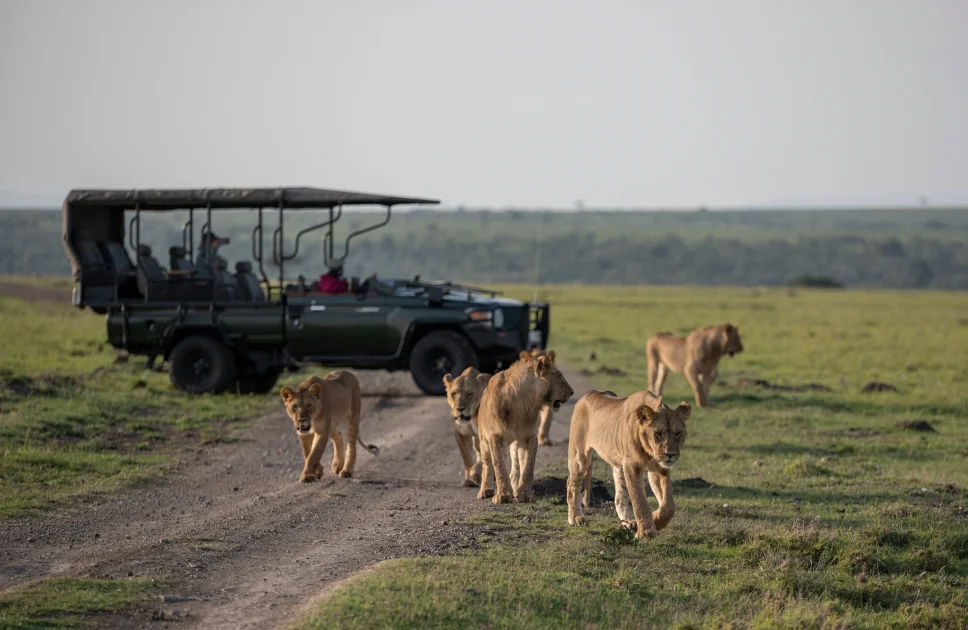
East Africa is home to some of the most extraordinary wildlife experiences on earth. Travelers come to witness the Great Migration in Tanzania’s Serengeti, hear lions in Kenya’s Maasai Mara, and trek through Uganda’s Bwindi forest to see mountain gorillas in the wild. These experiences feel timeless, but they survive because conservation is active, expensive, and deeply tied to the choices travelers make.
Responsible tourism helps protect wildlife in East Africa by turning travel spending into conservation funding, local livelihoods, and community support. When visitors choose ethical safari operators, conservation-minded lodges, and community-linked experiences, their trips can help protect habitats, support rangers, and give local families a meaningful stake in wildlife conservation.
Quick Takeaways
Responsible tourism helps fund wildlife protection and park management
Community conservancies can create income that supports conservation
Ethical travel choices can reduce pressure on habitats and wildlife
Gorilla trekking and safari fees often contribute to local conservation efforts
Travelers can support wildlife by choosing responsible operators and lodges
Why Wildlife Conservation Matters in East Africa
East Africa protects some of the most important ecosystems on the continent. Serengeti National Park supports one of the world’s best-known wildlife migrations, while the Maasai Mara forms part of the same wider ecosystem and plays a major role in protecting lions, elephants, cheetahs, and other species. In Uganda, Bwindi Impenetrable National Park protects about 459 mountain gorillas, which is nearly half of the world’s remaining population.
These places do more than attract visitors. They preserve migration routes, breeding habitats, water systems, and biodiversity that would be difficult to restore if lost. Without consistent protection, poaching, habitat loss, and land conversion can quickly weaken even the most famous safari destinations.
How Tourism Supports Conservation on the Ground
Responsible tourism works best when it directly supports the long-term protection of wildlife areas. In Tanzania, Tanzania National Parks says tourism-related investment and visitor activity help generate income that supports conservation and employment in national parks.
In Kenya, the conservancy model around the Maasai Mara shows how tourism can support both wildlife and local families. The Maasai Mara Wildlife Conservancies Association says conservancies pay yearly leases to more than 2,000 Maasai landowner families, employ local rangers, and support services such as schools, clinics, bursaries, and human-wildlife conflict programs.
In Uganda, gorilla tourism is a major conservation tool. Uganda Wildlife Authority’s current tariff lists gorilla permits for foreign non-residents at $800, and UWA reports that 20% of park gate revenue is shared with surrounding communities, along with a portion of gorilla permit proceeds.
How Responsible Tourism Helps Local Communities
Wildlife conservation is stronger when nearby communities benefit from protecting nature. That is one of the most important ideas behind responsible tourism in East Africa.
In and around the Maasai Mara, community conservancies create recurring lease income for landowners and open up employment in camps, lodges, guiding, scouting, and conservancy management. In Uganda, revenue-sharing from protected areas has helped support community projects near parks, including services such as water access, schools, and other local development efforts.
When people see clear value in living alongside wildlife, conservation becomes more practical and more durable. Tourism then becomes more than a visitor industry. It becomes part of the local incentive to protect land, wildlife, and ecosystems over time.
The Threats Wildlife Still Faces
Despite the value of tourism, wildlife in East Africa still faces serious threats. These include poaching, habitat loss, expanding agriculture, fencing, human-wildlife conflict, and climate pressure. When migration corridors are blocked or natural habitats are broken into smaller pieces, animals lose access to food, water, and breeding space.
Climate variability adds more strain. Longer dry periods, sudden floods, and changing grazing patterns can weaken ecosystems and make species more vulnerable. These pressures are exactly why steady conservation funding, trained ranger presence, and community support remain so important.
The Role of Rangers, Conservancies, and Conservation Organizations
Wildlife protection depends on the daily work of people on the ground. In East Africa, government agencies such as Tanzania National Parks, Kenya Wildlife Service, and the Uganda Wildlife Authority lead much of the formal conservation work. In the Maasai Mara landscape, conservancy structures and local ranger teams expand protection across community land beyond the reserve itself.
These teams help monitor wildlife, patrol protected areas, remove snares, respond to threats, and reduce conflict between people and animals. In gorilla habitats, UWA also uses ongoing monitoring and conservation programs tied to gorilla tourism and broader protection efforts.
Responsible tourism matters because it helps fund and reinforce this work rather than undermining it.
How Travelers Can Make a Positive Impact
Travelers have real influence over how tourism affects wildlife. One of the best ways to help is to choose operators and lodges that clearly support conservation and local communities.
Look for safari companies that:
Partner with local communities
Employ local guides and staff
Respect park rules and wildlife viewing limits
Avoid crowding animals with too many vehicles
Use lower-impact practices such as solar energy or reduced waste systems
Contribute to conservancies, ranger programs, or community initiatives
When you book responsibly, your safari becomes part of the solution rather than just a consumer experience.
Practical Responsible Tourism Tips for Safari Travelers
Small decisions can make a meaningful difference. During your trip:
Stay on marked tracks and follow park rules
Keep noise low during wildlife sightings
Avoid litter and reduce single-use plastics
Carry a reusable water bottle where appropriate
Buy souvenirs from genuine local cooperatives or artisans
Ask permission before photographing people
Respect local customs and greetings
Learn about the conservation work in the area you are visiting
These actions may seem simple, but they help protect habitats, reduce stress on wildlife, and support a more respectful relationship with local communities.
Why Responsible Tourism Matters More Than Ever
A safari in East Africa is more than a holiday. It can be a direct contribution to conservation, community livelihoods, and the long-term survival of wildlife. Park fees can support management and protection. Conservancy stays can support landowners and local jobs. Gorilla permits can help fund wildlife protection and community revenue-sharing.
That is what makes responsible tourism so powerful. It connects travelers, local communities, and conservation efforts in a way that can keep wildlife landscapes alive for future generations.
Final Thoughts
The Serengeti, Maasai Mara, and Bwindi remain extraordinary not by accident, but because people continue to protect them. Responsible tourism helps make that protection possible.
When planning your trip, choose carefully. Support operators that respect wildlife, lodges that work with communities, and experiences that give back to the places you visit. In East Africa, thoughtful travel does more than create memories. It helps protect one of the world’s most important natural regions.
Frequently Asked Questions
What is responsible tourism in East Africa?
Responsible tourism means traveling in ways that support conservation, respect local communities, and reduce negative environmental impact.
How does tourism help protect wildlife?
Tourism can fund park management, ranger operations, conservancies, community development, and wildlife monitoring when visitor spending is connected to ethical travel models.
Do safari lodges support conservation?
Some do, especially those linked to conservancies, community partnerships, or lower-impact sustainability practices. It is worth checking each operator’s conservation model before booking.
Does gorilla trekking support conservation in Uganda?
Yes. Gorilla permits are a major tourism product, and Uganda Wildlife Authority states that protected-area revenue sharing and a portion of gorilla permit proceeds support nearby communities.
How can travelers choose a responsible safari company?
Look for operators that respect wildlife rules, work with local communities, hire local staff, and show clear evidence of conservation-minded practices.
Tags
Destinations Mentioned

Clinton Remen Mbowe is an author and IT specialist based in Tanzania, with a strong interest in tourism and digital innovation. Drawing from his background in technology and design thinking, he explores how digital solutions can enhance travel experiences and promote tourism development. Through his writing, Clinton shares practical insights, perspectives, and ideas on tourism, innovation, and everyday experiences, helping readers better understand and explore Tanzania and the broader African landscape.
Get Safari Tips & Destination Guides
Join our newsletter for exclusive travel tips, wildlife insights, and safari planning advice.