TL;DR:
Akagera National Park in Rwanda offers Big Five, low crowds, and unique water and walking safaris in 2026.
Lesser-known parks are closing the gap with classic destinations through conservation success and improved infrastructure.
Choosing the right safari depends on personal priorities like wildlife variety, crowd tolerance, and activity options.
With so many African safaris promising bucket-list wildlife encounters, how do you cut through the hype and pick a destination that truly fits your travel goals in 2026? The options span dozens of countries, hundreds of parks, and a growing wave of new lodges, conservation success stories, and crowd-free alternatives. Getting it wrong means spending serious money on an experience that feels rushed, overrun with tour groups, or simply not what you imagined. This guide cuts straight to what matters: clear criteria, honest destination breakdowns, a side-by-side comparison, and perspective on where 2026’s best opportunities actually lie.
Key Takeaways
| Point | Details |
|---|---|
| Emerging destinations | Akagera National Park offers Big Five safaris, low crowds, and new experiences. |
| Classic safari appeal | Iconic parks like Maasai Mara and Okavango Delta remain must-sees with upgrades and lower congestion in 2026. |
| Value in green season | Traveling from November to March means better scenery, fewer tourists, and active wildlife. |
| Personalized adventures | Choosing the right reserve means better activities, birding, and authentic memories. |
| Expert planning pays | Working with local experts lets you avoid crowds and plan a trip tailored for you. |
How to choose your ideal African safari
Before you start comparing parks, you need a personal filter. Not every destination suits every traveler, and the criteria you use to evaluate options will shape the entire trip.
Start with these core questions:
Wildlife variety vs. specialization. Do you want the Big Five, or are you chasing a specific experience like gorilla trekking, birdwatching, or marine wildlife? Some parks excel at one thing; others offer genuine diversity.
Crowd tolerance. Peak-season Maasai Mara can feel like a traffic jam around a lion kill. If intimacy matters to you, crowd levels should rank near the top of your list.
Activity range. Game drives are just the start. Walking safaris, boat safaris, night drives, and cultural visits add depth. Check what each park actually permits.
Seasonality and value. The best time to visit varies dramatically by region. High season delivers reliable wildlife sightings but costs more and draws bigger crowds.
Price and what it buys you. A mid-range camp in a lesser-known park can outperform a luxury lodge in a saturated one, simply because the game viewing is more exclusive.
One of the most underrated moves for 2026 is considering the green season, which runs roughly November through March. Landscapes are lush, newborn animals attract predators, and rates drop significantly. 2026 trends show high Okavango floods improving water safaris, new lodges opening in Angola, Namibia, and Rwanda reducing congestion in classic areas, and green season delivering strong value across East and Southern Africa.
Pro Tip: Don’t limit your wish list to the Big Five. Boat safaris on the Zambezi, walking safaris in Zambia, and birding in Rwanda’s Akagera offer experiences that game drives simply cannot replicate. The most memorable moments often come from the unexpected.
Akagera National Park, Rwanda
If one destination deserves the label “2026 breakout,” it’s Akagera. Located in eastern Rwanda along the Tanzanian border, this park has undergone one of Africa’s most remarkable conservation turnarounds over the past decade.
Key reasons Akagera belongs on your shortlist:
Full Big Five status. Rwanda reintroduced lions in 2015 and leopards have always been present. Most significantly, over 100 white rhinos were translocated to the park by 2025, completing the Big Five lineup with low visitor density.
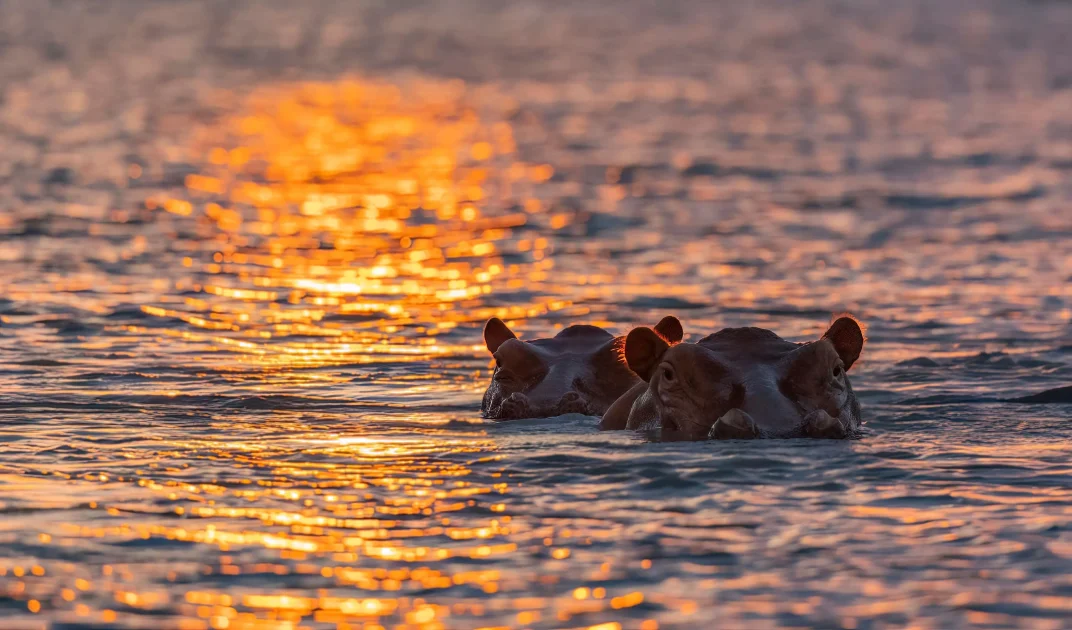
Boat safaris on Lake Ihema. This is genuinely rare in East Africa. Hippos, crocodiles, and water birds crowd the lake’s shores in numbers that rival the Okavango.
Walking safaris. Guided walks give you a ground-level perspective that most East African parks don’t allow in Big Five territory.
Exceptional birding. Over 500 bird species have been recorded here, making it a serious destination for bird watching trips alongside the big game.
“Akagera is proof that conservation investment pays off. The park feels alive in a way that older, more visited parks sometimes don’t. You’re watching a comeback story unfold in real time.” — Experienced safari guide, Rwanda
The crowd situation is a genuine differentiator. Rwanda’s tourism infrastructure is excellent, but Akagera doesn’t yet attract the volume that Kenya or Tanzania sees. That means you can sit with a pride of lions for 30 minutes without another vehicle in sight. For travelers who value safari experiences that feel personal rather than performative, this matters enormously. The new lodge options added in 2025 and 2026 have also raised the accommodation standard without flooding the park with visitors.
Classic heavyweights: Maasai Mara, Serengeti, and Okavango Delta
The classics earned their reputation honestly. These three destinations represent some of the most dramatic wildlife spectacles on earth, and 2026 brings genuine updates worth knowing.
Maasai Mara, Kenya
Home to the Great Migration’s most dramatic river crossings (July to October)
Private conservancies bordering the main reserve offer exclusivity and night drives
New eco-lodges are expanding capacity while managing visitor flow better than before
Best explored through Africa travel ideas that include conservancy access, not just the main reserve
Serengeti, Tanzania
The migration covers more ground here, meaning year-round wildlife spectacle across different zones
Southern Serengeti’s calving season (January to February) is one of Africa’s great wildlife events
Larger park size naturally dilutes crowds compared to the Mara
Check our Maasai Mara safari guide for cross-border planning tips
Okavango Delta, Botswana
2026 high flood levels are creating exceptional water safari conditions, with mokoro (dugout canoe) trips and boat game drives reaching areas inaccessible in drier years
Botswana’s high-cost, low-volume tourism policy keeps crowds genuinely low
New lodge developments are adding options without compromising the wilderness feel
Pro Tip: For all three destinations, shoulder season (May to June in East Africa, April to May in Botswana) delivers strong wildlife sightings, greener landscapes, and rates that can be 20 to 30 percent lower than peak season. It’s the sweet spot most travelers overlook.
Comparison: How do top safari destinations stack up in 2026?
Wondering which park really matches your style and priorities? Here’s a direct look at where each destination excels across the factors that matter most.
| Destination | Big Five | Crowd level | Activity variety | Birding | 2026 value |
|---|---|---|---|---|---|
| Akagera, Rwanda | Yes (complete) | Very low | High (boat, walk, drive) | Excellent | Very high |
| Maasai Mara, Kenya | Yes | Medium to high | Medium (drives, walks) | Good | Moderate |
| Serengeti, Tanzania | Yes | Medium | Medium (drives, walks) | Good | Moderate |
| Okavango Delta, Botswana | Yes | Low to medium | Very high (water, walk, drive) | Excellent | High |
The 2026 picture shows Akagera as Big Five complete with the lowest crowd density, the Okavango offering elevated water safari experiences due to high floods, and the East African classics benefiting from new lodge growth and improved visitor management.
Who fits where:
Solo adventurers and photographers: Akagera or Okavango for intimacy and unique compositions
Couples on a first safari: Maasai Mara or Serengeti for iconic, reliable wildlife drama
Families: Okavango private camps or South Africa’s private reserves for safety, variety, and child-friendly activities
Serious birders or walkers: Akagera or Zambia’s walking safari circuits for east Africa options beyond the standard game drive
No single destination wins across every category. The right choice depends on what you’re optimizing for, and being honest about that before you book will save you from a mismatch.
Why lesser-known parks could beat the classics in 2026
Here’s something the traditional travel industry rarely tells you: the most famous parks are not always the best parks for your specific trip. They’re the easiest to sell.
Classic destinations like the Mara and Serengeti are genuinely extraordinary. But in peak season, the experience can feel curated rather than wild. You’re sharing sightings with a dozen other vehicles, following a loose script that thousands of travelers before you have followed. That’s not a failure; it’s just the reality of scale.
What’s shifting in 2026 is that the gap in quality between established and emerging destinations is closing fast. Akagera’s Big Five restoration and improved infrastructure make it a serious alternative, not a consolation prize. Angola’s Iona National Park, Rwanda’s Nyungwe Forest, and Namibia’s emerging concessions are all following similar trajectories.
The travelers who will have the best safaris in 2026 are the ones willing to ask a harder question: do I want the park everyone talks about, or do I want the experience that actually fits me? Choosing unique safari experiences in less-visited parks often means more time with animals, more flexibility in your itinerary, and a story that doesn’t sound like everyone else’s.
The classics will always have their place. But 2026 is genuinely one of the best years to look beyond them.
Plan your 2026 African safari adventure with expert help
You’ve done the research. Now the real work begins: turning destination knowledge into an itinerary that actually delivers. That’s where having the right partner matters.
At Explola, we connect you directly with vetted local safari operators across East and Southern Africa, no middlemen, no inflated commissions, no generic packages built for the masses. Whether you’re drawn to Akagera’s comeback story, the Okavango’s flood-season water trails, or the Serengeti’s endless plains, our platform matches you with operators who know these parks from the inside. Explore africa travel inspiration to refine your ideas, then connect with local safari experts who can build a trip around your actual priorities.
You might like
Frequently asked questions
Which African safari destination has the fewest crowds in 2026?
Akagera National Park in Rwanda stands out for low visitor density, new lodge options, and vast wild spaces that give you genuine exclusivity even during peak travel periods.
What is the best time for a safari in 2026?
The green season (Nov to Mar) offers lush scenery, fewer visitors, and excellent predator activity in many parks, making it one of the smartest windows for value-focused travelers.
Are there malaria-free safari options in Africa for 2026?
Several southern Africa parks, including parts of South Africa’s Eastern Cape and KwaZulu-Natal, offer malaria-free zones. Always check current health guidelines before booking.
Which safari destination is best for families in 2026?
The Okavango Delta and South Africa’s private reserves are top picks for families, offering diverse activities, strong safety standards, and child-friendly lodge programs.
Destinations Mentioned

Founder of Explola and a passionate advocate for authentic African travel. He writes about safari destinations, conservation, and connecting travelers with trusted local operators across Africa.
Get Safari Tips & Destination Guides
Join our newsletter for exclusive travel tips, wildlife insights, and safari planning advice.