June through September is usually the best time for dry roads and reliable wildlife viewing at Ngorongoro Crater. The area gets about 1,000 millimeters (40 inches) of rain each year. Still, the best time to visit depends on what matters most to you—whether that's easy access, seeing newborn animals, spotting migrant birds, enjoying green scenery, taking photos, or having a quieter safari.
You might be planning to include Ngorongoro as part of a bigger trip around Tanzania. Maybe you're weighing a dry-season visit against a more affordable green-season trip, or you're curious if a little rain will really affect your day in the crater. The truth is, Ngorongoro has something special to offer at different times for different travelers.
I've watched some visitors pick June for its clear roads, only to find that the chilly highland mornings were more important than they expected. Others have embraced the chance of rain and ended up enjoying greener landscapes, young animals, and great photo opportunities. The real mistake isn't picking the 'wrong' month—it's choosing a time without thinking about what you want most from your safari.
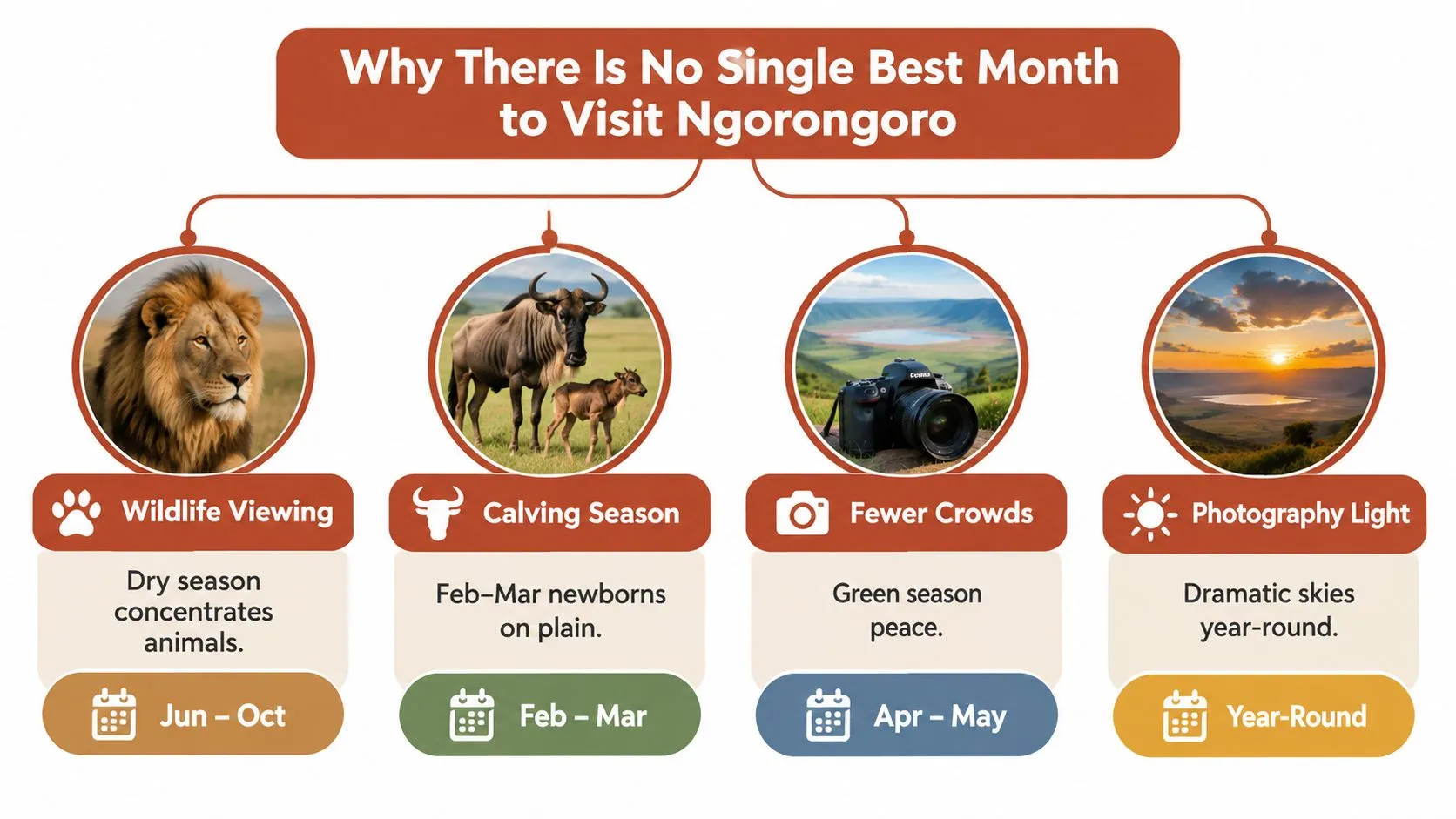
Why There Is No Single Best Month to Visit Ngorongoro
Most safari guides recommend June through October because the dry weather makes driving easier and wildlife viewing more predictable. This is a good choice for first-time visitors who want an easy crater descent, solid roads, and clear views. But this advice doesn't fit everyone, since not all travelers have the same goals.
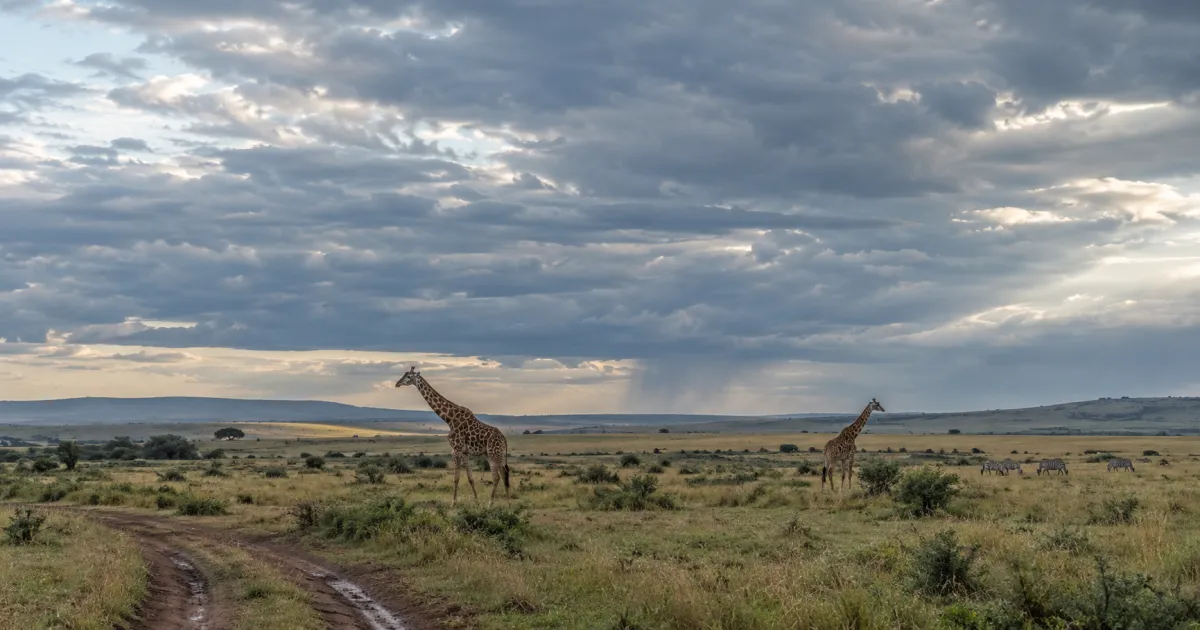
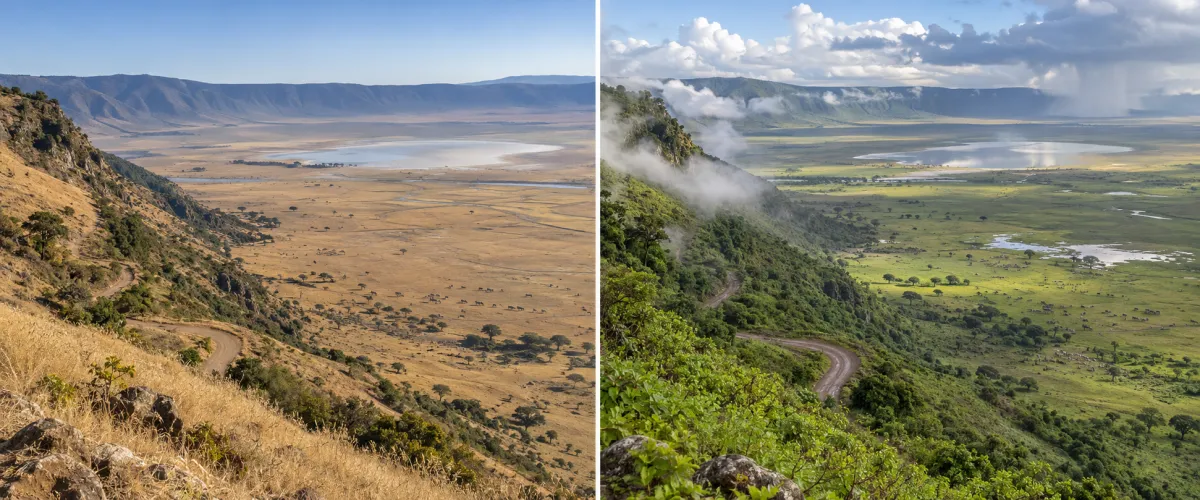
Ngorongoro always has plenty of wildlife, no matter the season. When the rains come, animals don't vanish—the scenery just changes. The grass gets greener, there's more breeding activity, and migrant birds stand out. If you want reliable access, the dry season is best. But if you're into photography or birdwatching, the rainy months offer unique sights and experiences.
Match the month to the trip.
A useful decision starts with one question: what would make you feel the trip was successful?
Reliable driving: June through September generally offers the most dependable road conditions.
Newborn wildlife: January and February are associated with breeding activity and young zebras and wildebeest.
Birding: The rainy season offers the best chance of seeing migrant species and lush habitat.
Greener scenery: November through May can bring richer scenery, though roads and access become less predictable.
A quieter atmosphere: Travelers willing to accept showers can consider wetter periods instead of following the busiest conventional window.
The broader best time to visit Tanzania safari guide is useful when Ngorongoro forms part of a route that also includes the Serengeti. Timing has a wider regional effect there, because the surrounding plains respond differently from the crater floor.
Practical rule: Choose the season for your least negotiable priority, then plan around its drawbacks.
The dry season isn't automatically better. It's operationally easier. The wet season isn't automatically worse. It's less predictable but can be more rewarding for particular interests. Once you separate road reliability from wildlife quality, the decision becomes much clearer.
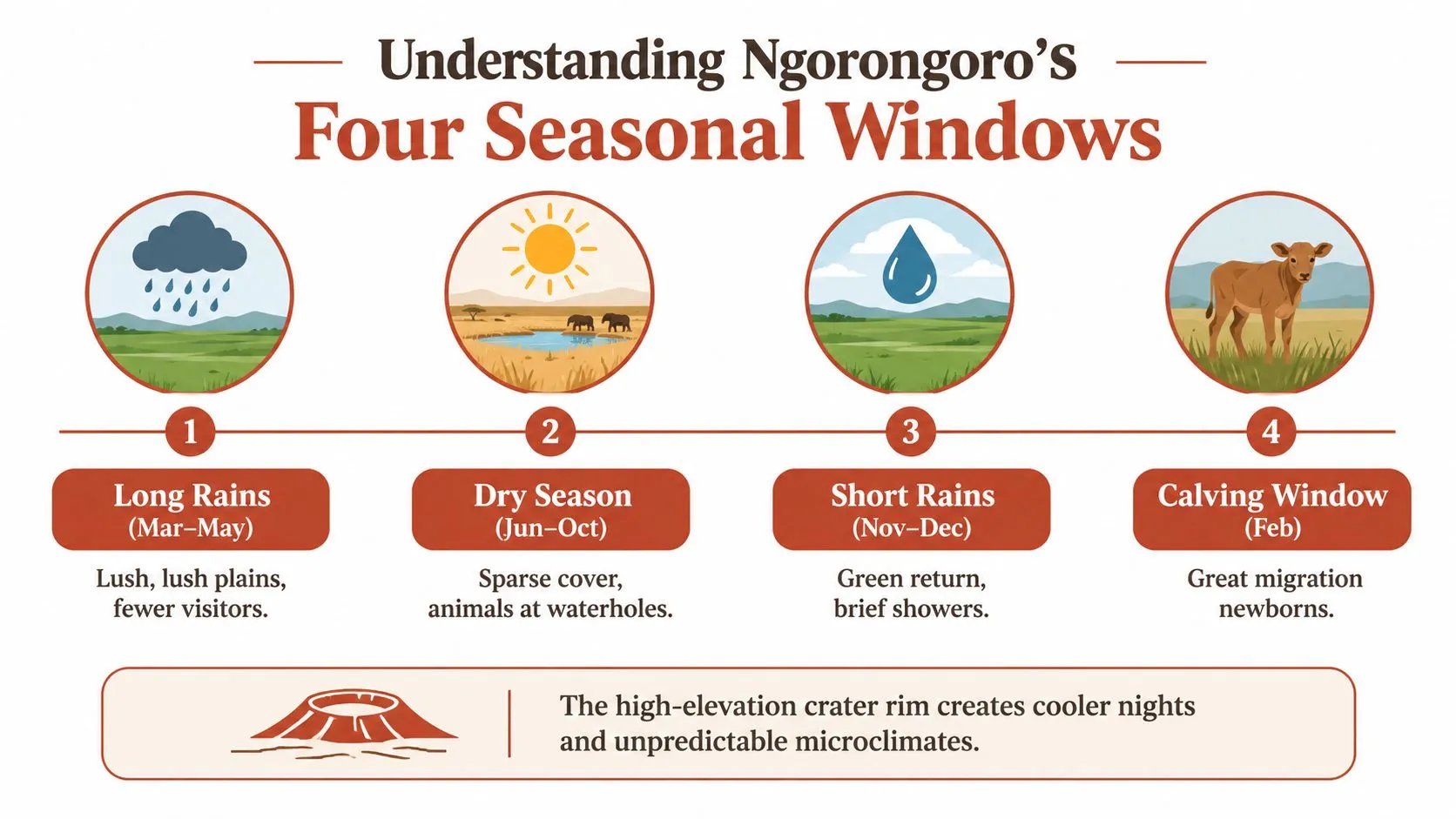
Understanding Ngorongoro's Four Seasonal Windows
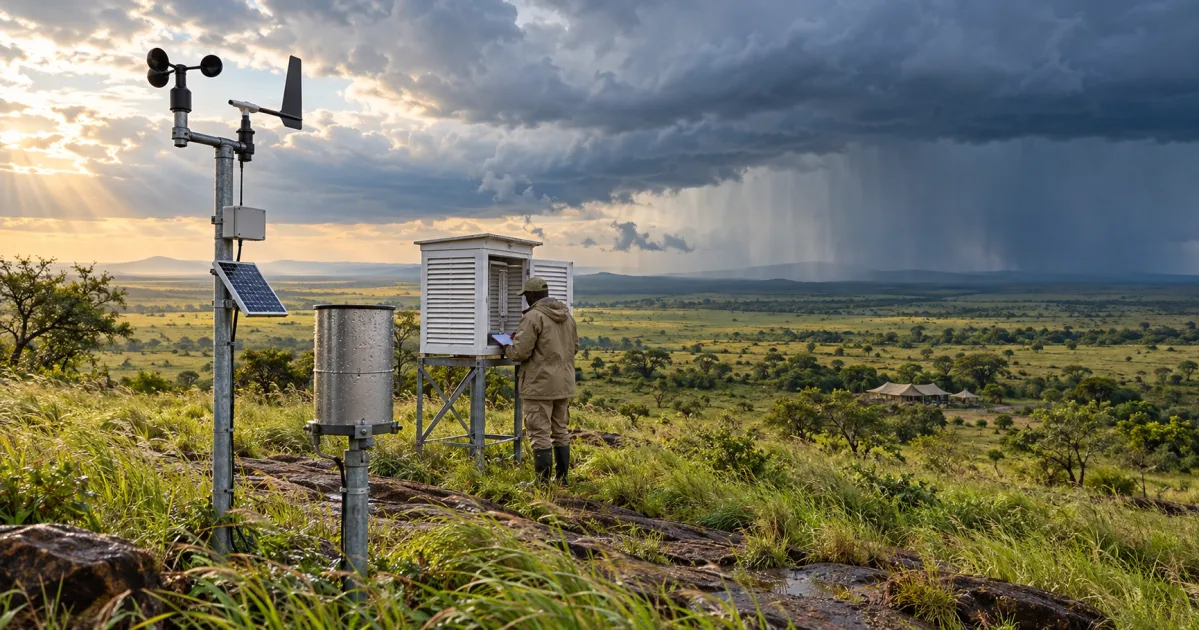
Ngorongoro sits in high-elevation terrain, so it doesn't behave like coastal Tanzania. The crater rim can feel cold before sunrise, weather can shift quickly, and highland rain can affect the roads used to reach and descend into the crater.
Climate data records approximately 1,000 millimeters (40 inches) of annual precipitation, with the main dry season from June through September and the rainy season from October through May. April is the wettest month, while January and February still receive roughly 90 to 110 millimeters of rain per month. See the detailed Ngorongoro climate data when comparing exact travel dates.
June through September
This is the principal dry season and the safest recommendation for travelers who want predictable movement. Lower rainfall usually means firmer roads, fewer weather-related delays, and clearer visibility across the crater floor. Less surface water can also make animals easier to spot around permanent water sources and productive grazing areas.
The main downside is the temperature. Early-morning drives can be very cold, especially in June and July, so be sure to bring warm clothes.
October through December
October often retains dry-season advantages, while November and December introduce the short rains. These showers can refresh the area without creating the same prolonged wet conditions associated with the long rains. Conditions can still change quickly, so operators need flexibility around crater entry and driving time.
This time of year is great if you want to see the landscape shift from dry to green. But it's not ideal if you expect the weather to stay the same each day.
January and February
January and February are a special transitional time. It may still rain, but these months are known for breeding activity and lots of young zebras and wildebeest. This is a great period for photographers and families more interested in animal behavior than in completely dry roads and perfectly dry tracks.
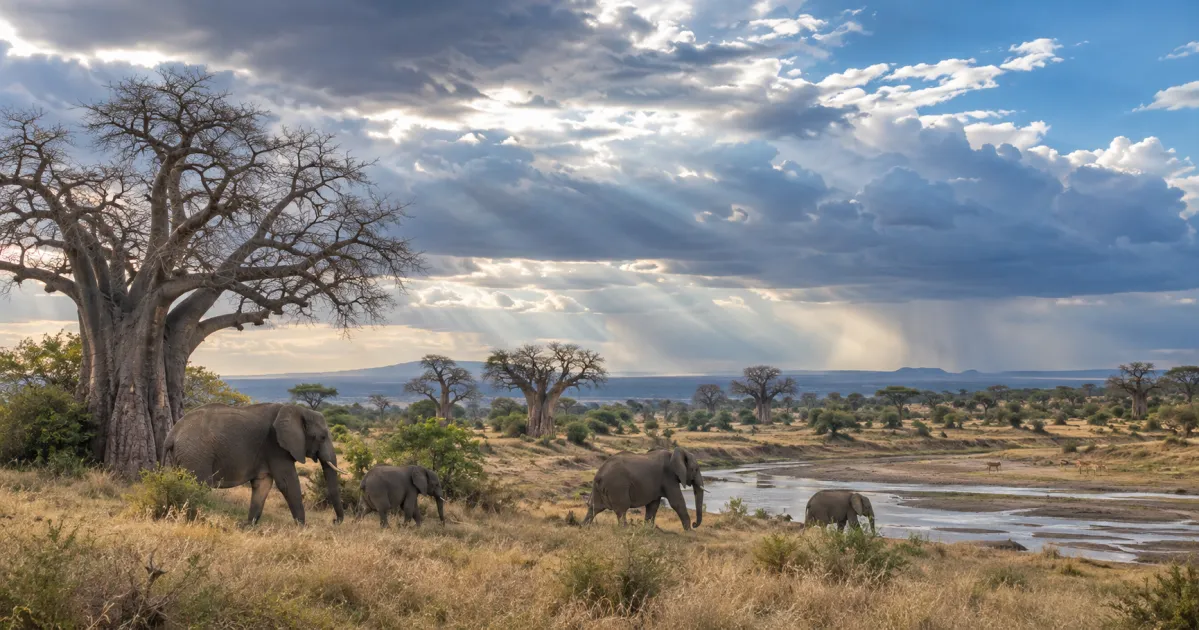
The surrounding Serengeti and Ngorongoro ecosystem also becomes relevant during this period. A historical account describes an annual circular migration involving about 1.5 million wildebeest and other ungulates, with herds using southeastern plains near Ngorongoro during the wet season before moving north and west as the plains dry from May to June. The ecological context is explained in this rainy-season safari planning guide.
March through May
The long rains bring lush scenery but also the greatest chance of wet roads and changes to your plans. April is especially unpredictable for rain. You can still visit, but it's best not to plan a tight schedule or count on late arrivals to the crater.
This is a good time for those who want green landscapes, enjoy birdwatching, or don't mind making weather part of the adventure.
Comparing Peak Dry Season versus Green Season Safari Experiences
The main difference is simple: the dry season is more reliable, while the green season offers a richer atmosphere, more changes in nature, and greater variety. No season guarantees certain animal sightings, and you'll always benefit from a skilled driver who knows the area.
Season | Road Conditions | Wildlife Viewing | Birding | Crowds | Best For |
|---|---|---|---|---|---|
June through September | Generally firmer and more predictable | Clear viewing and animals may be easier to locate around permanent water | Good, though the focus is often on mammals | Usually busier | First-time visitors, reliable access, classic safari conditions |
March through May | Wet roads and possible itinerary changes | High resident wildlife densities, with lush surroundings and seasonal behavior | Strong period for migrant species | Often quieter | Green scenery, birders, photographers, flexible travelers |
Driving and visibility
Dry-season tracks usually make the day easier to manage. A driver can spend less time adapting to slippery sections or changing access and more time positioning the vehicle for viewing. Shorter grass and clearer conditions may also help visitors scan the crater floor.
In the green season, rain can make it harder to see and get around. But you'll get brighter colors, dramatic skies, and animals enjoying the fresh plants. If you don't mind adjusting your plans, this atmosphere can be more rewarding than just having dry roads.
Wildlife and birding
You can see plenty of wildlife in Ngorongoro all year. The main difference is what stands out each season. Dry months are best if you want to focus on mammals and have an easy time spotting them. Rainy months bring more breeding, young animals, green scenery, and lots of migrant birds.
January and February deserve special attention for travelers who want to combine wildlife viewing with the broader migration cycle. They offer a different story from the classic dry-season game drive, not necessarily a weaker one.
Crowds and overall comfort
During the dry season, popular animal sightings can feel crowded with other vehicles. In the green season, things are usually calmer and less busy, but you'll need to be flexible because of the wetter roads.
Families should think about this carefully. Kids might find a muddy road exciting, but waiting in cold rain can be exhausting. The best choice depends on what your group can handle, not on a one-size-fits-all answer.
How to Choose Your Optimal Ngorongoro Visiting Window
Begin by deciding what you want most from your safari, instead of just looking at the calendar. Once you know your main goal, pick the season that fits and plan for any challenges that come with it.
Use this decision checklist.
If this is your first safari and you want reliable roads, simple planning, and clear views, June through September is your best bet. This is the safest choice if you don't want the weather to affect your plans.
If seeing newborn animals is your priority, aim for January and February. You'll find lots of breeding activity and young zebras and wildebeest, which can make for more memorable moments than a typical dry-season sighting. Just remember, rain is still possible.
If you're interested in birdwatching, choose the wetter months when more migrant species are around. Bring your binoculars and take time to enjoy the whole habitat, not just the big mammals.
For photography during the green season, try visiting from March to May or during the short rains. You'll get dramatic clouds, fresh greenery, and softer light, which can make your photos stand out more than clear skies. Just make sure your plans are flexible.
If you want a quieter trip, consider going outside the busiest months. The shoulder and wet seasons are usually less crowded, but keep in mind that 'quieter' doesn't mean empty, and rain can still make access tricky.
For families, it's best to stay overnight near the crater rim and start early. Having a warm room, a short drive, and a well-prepared vehicle often makes a bigger difference than picking the 'perfect' month.
Treat budget as a planning variable.
Prices can change depending on the operator, where you stay, your group size, and when you travel. Don't just pick the cheapest month—look at what's included, how much time you'll spend in the crater, and if the operator has a good plan for rainy weather.
A solid itinerary should tell you when you'll enter the crater, where you'll stay overnight, when you'll leave, and what backup plans are in place. These details matter more than just knowing the season.
What Safari Seasons Actually Look Like on the Crater Floor
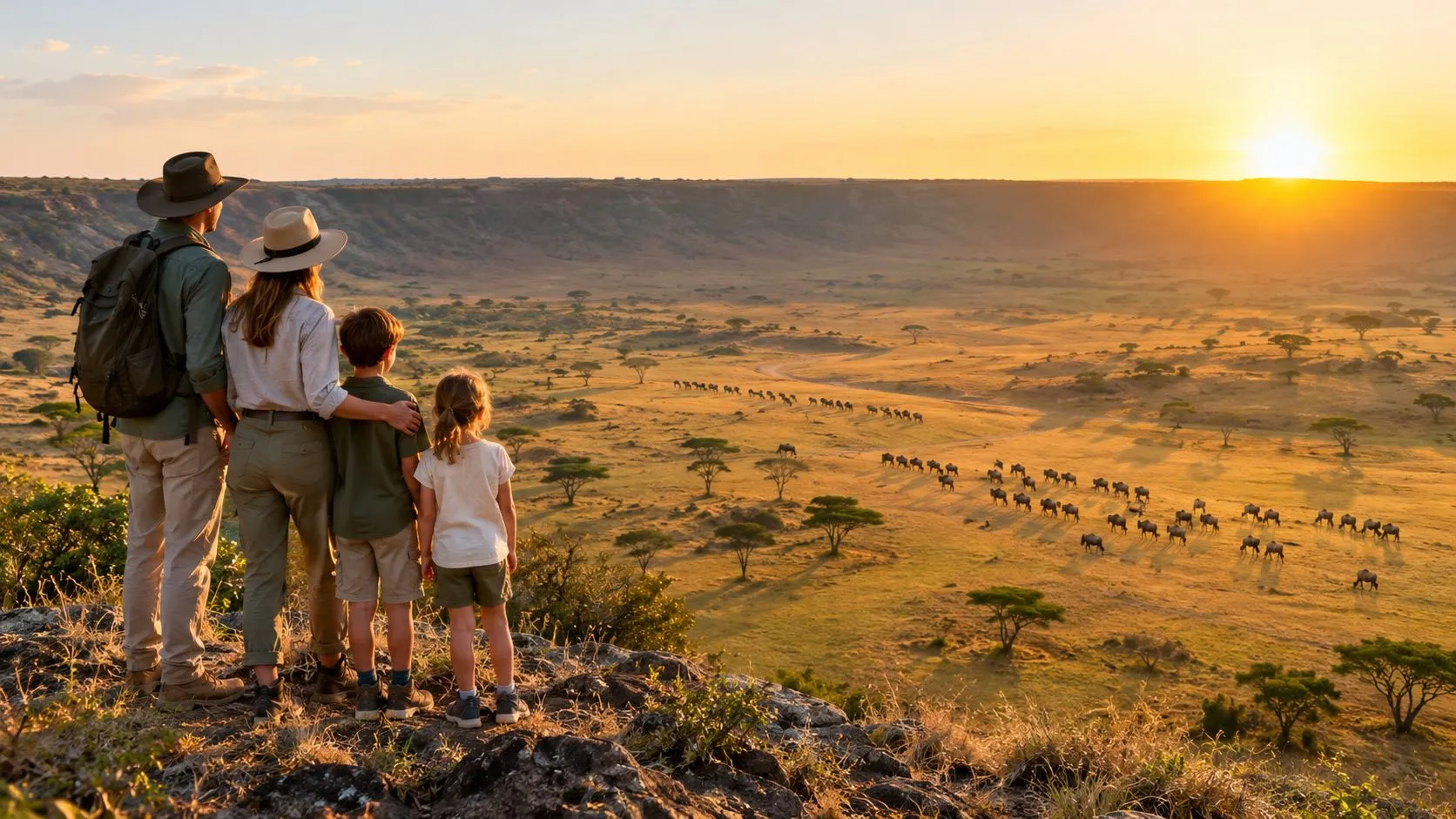
A morning in the crater during the dry season has its own routine. A family staying near the rim leaves before sunrise, bundled up in warm clothes, and reaches the descent while it's still cool and blue outside. As the day brightens, the solid roads make it easy to get around, and the clear air helps the driver spot animals in the grasslands.
The family enjoys the steady pace of the day. They aren't hoping for a rare sighting to make the trip worthwhile. The crater's enclosed space means you can see wildlife regularly, and the dry ground makes it easier to follow the animals. By late morning, the sun warms things up, but they're still glad they brought fleece for the ride back.
A wetter day tells a different story.
In January or February, a photographer might spend the morning watching young animals instead of just checking off species. The grass is greener, clouds gather over the crater walls, and a quick shower changes the light across the landscape. The roads might be wet, but the scene feels more alive and textured than on a clear, dry day.
The bigger ecosystem is important, too. Studies show that January and February are linked to breeding and lots of young zebras and wildebeest, while the migration in the region involves about 1.5 million wildebeest and other animals. You might not see a dramatic migration every time, but this is why timing matters if you're visiting both Ngorongoro and the Serengeti.
Travelers who want to preview the visual character of natural destinations before committing to an itinerary may find these virtual tour articles useful for setting expectations around scenery and viewpoints.
Shoulder months reward flexibility
If you visit in November or March, your day might start with gentle clouds, get sunnier as you drive, and end with rain near the rim. You can still see plenty of wildlife, but your guide may need to change the route or timing. This can make the experience feel more personal, since it's not based on the usual dry-season routine.
Lodging, Arrival Timing, and Packing Strategies by Season
Arrival timing can matter more than the month you choose. Official operating limits generally open the gates at 06:00 and close them at 18:00. At the same time, the Ngorongoro regulations state the Seneto descent gate closes at 16:00. A late approach can compress the day, even in excellent weather.
Stay close when crater time matters.s
Staying at a lodge or camp near the rim means you're close to the morning descent and less likely to lose time getting there. This is especially helpful for families, honeymooners, and photographers who want to catch the first light or prefer a slower start to the day.
If you need to stay farther away because of your budget or travel plans, that's okay, but make sure your itinerary says exactly when you'll arrive. Don't settle for just 'early start'—ask when you'll leave, which gate you'll use, and if the plan accounts for possible lines or weather delays.
Arrival rule: A perfect month can't rescue an itinerary that reaches the descent gate too late.
Planning ahead is even more important now because Ngorongoro is getting busier. The conservation area had 1,061,620 visitors in Tanzania's 2024/25 financial year, up from 908,627 the year before—a 17% jump. These numbers show why it's important to have a good departure plan as more people visit.
Pack for the high altitude, not just what you see in travel photos.
Use a layered system rather than one heavy jacket:
Early morning: Fleece, insulated jacket, hat, and comfortable closed shoes.
Midday: Removable layers for warmer conditions on the crater floor.
Rainy months: Waterproof outerwear, a protective bag for camera equipment, and patience for damp tracks.
Every season: Binoculars, sunscreen, lip balm, water, and spare storage for personal items.
Nights in the highlands can get close to freezing, even in warmer months, so make sure your lodge is comfortable and your vehicle is ready. If you're visiting several parks, think about other possible risks and check your travel insurance before you go.
Challenging Peak Season Conventions for Better Safari Value
Peak season is popular for a reason. June through September usually means reliable roads and the classic dry-season safari. But having easy travel and seeing the most animals aren't always the same thing, even though many travelers think they are.
Long-term studies have found that animals like buffalo, eland, and elephants are often more common in the crater during the wet season. This doesn't mean the rainy season is always better, but it does show that dry conditions aren't always the best for wildlife viewing. You can read more in the long-term Ngorongoro ecological study.
Where shoulder timing can work better
November and March are good options if you want greener scenery but don't want to travel during the wettest months. The weather can still change, and your guide might need to adjust the route, but you'll get to see the landscape shift with the seasons instead of just the usual dry-season look.
March through May can be great for photographers, birdwatchers, and anyone who cares more about the atmosphere than a strict schedule. April is the wettest month, so be extra careful—if you visit then, keep your plans flexible and avoid packing your days too tightly.
Getting good value is about more than just finding the lowest price.
A cheaper lodge doesn't help if it means you miss out on time in the crater. Look at the operator's departure plan, where you'll stay, vehicle setup, backup plans for weather, and how they communicate. A good operator will explain both the benefits and the possible challenges of each season.
So, the best time to visit Ngorongoro Crater comes down to what trade-offs you're willing to make. Pick June through September for reliable roads and predictable wildlife viewing. Choose January and February for breeding activity and young animals, or go during the wetter months for green scenery, birding, and a different kind of safari. Explola helps you compare Tanzania safari itineraries from trusted operators, check what's included, and get quotes that match your needs. Visit Explola to find the Ngorongoro route and season that work best for you.
Ready to experience this?
Explore Related Safaris
Destinations Mentioned

Founder of Explola and a passionate advocate for authentic African travel. He writes about safari destinations, conservation, and connecting travelers with trusted local operators across Africa.
Get Safari Tips & Destination Guides
Join our newsletter for exclusive travel tips, wildlife insights, and safari planning advice.