A lot of common advice about Africa in January isn’t very helpful. You might hear that it’s always wet, too hot, or the perfect time for every safari, but these ideas don’t hold up. January’s appeal really depends on where you go and what you want—whether that’s seeing wildlife in northern Tanzania, enjoying green landscapes in Southern Africa, relaxing on Zanzibar’s beaches, or experiencing mild winter in North Africa.
To plan a great January trip, start by looking at a map instead of relying on general advice. Think about the wildlife, weather, road conditions, and activities you want, and choose a country and park that fit. This way, January offers you a range of unique travel experiences instead of feeling like a compromise.
January Across the Continent Beyond the Generalizations
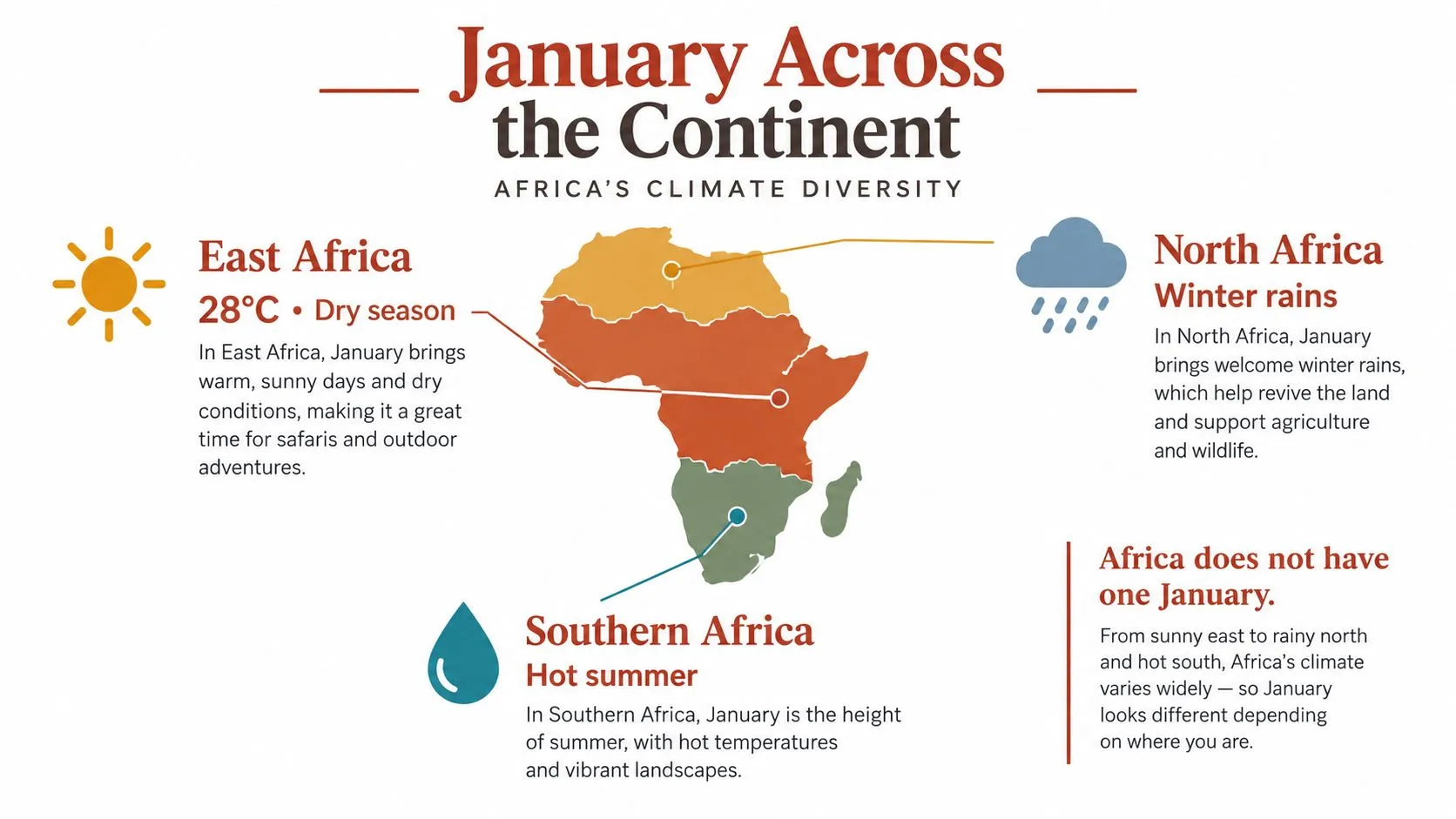
There isn’t just one kind of January in Africa. The continent covers many climates and landscapes, so in one place it might feel like summer, while in another it could be mild winter.
In January, Southern Africa is warm and often humid, with short bursts of rain that make the landscape green and affect travel. North Africa, by contrast, is in winter. Places like Egypt and Morocco have cooler mornings and evenings, and the weather feels very different from what you'd find on a safari in South Africa or Tanzania.
East Africa adds even more variety. Tanzania and Kenya can be warm for wildlife viewing but also have some rain, and higher areas are cooler. Staying on the coast in Zanzibar is a different experience from going on a game drive in the southern Serengeti, even if both are part of your trip.
Start with the experience, then choose the latitude
People often ask if January is a good time to visit Africa, as if there’s just one answer. It’s better to ask: What kind of January experience do you want?
For concentrated wildlife activity, look at the southern Serengeti and Ndutu plains.
For lush scenery and summer birdlife, consider Southern African parks, but accept a higher chance of rain and changing road conditions.
For cooler cultural or historical travel, North African destinations may be more comfortable than tropical safari regions.
For a safari-and-beach combination, compare inland rainfall and coastal conditions separately instead of assuming one forecast covers the whole trip.
Choosing your country and park first also helps with picking travel dates, places to stay, transfers, and insurance. While a guide to the best safari times is useful, your final choice should be based on your specific route.
Practical rule: Never book “Africa in January” as a destination. Book a named country, a named park, and a route that makes sense in that month.
It’s not accurate to say January is just the wet season, because rain and wildlife sightings vary by region. It’s also not always peak season everywhere. Some places have special wildlife events, while others are greener and more affected by the weather than during the dry season.
Decoding Temperature and Rainfall Patterns
The climate figures make the regional split clear. Typical January temperatures reach about 32°C in Nigeria and Tanzania, 31°C in the Democratic Republic of the Congo, and 26°C in South Africa, while Egypt averages about 19°C. Rainfall is just as uneven, ranging from about 0 mm in Chad, 2 mm in Somalia, and 4 mm in Egypt to approximately 156 mm in both the Democratic Republic of the Congo and South Africa, 77 mm in Rwanda, and 76 mm in Tanzania, according to the January climate overview for Africa.
These numbers can’t predict every game drive, but they show how much your January packing list and plans can change. In Egypt, you’ll want layers for mild days and cool nights. In South Africa, pack light clothes, sun protection, and rain gear. Tanzania can be hot, but you’ll still need to prepare for showers that affect roads and travel times.
What rainfall changes on the ground
Rain is important because it affects more than just the scenery outside your lodge.
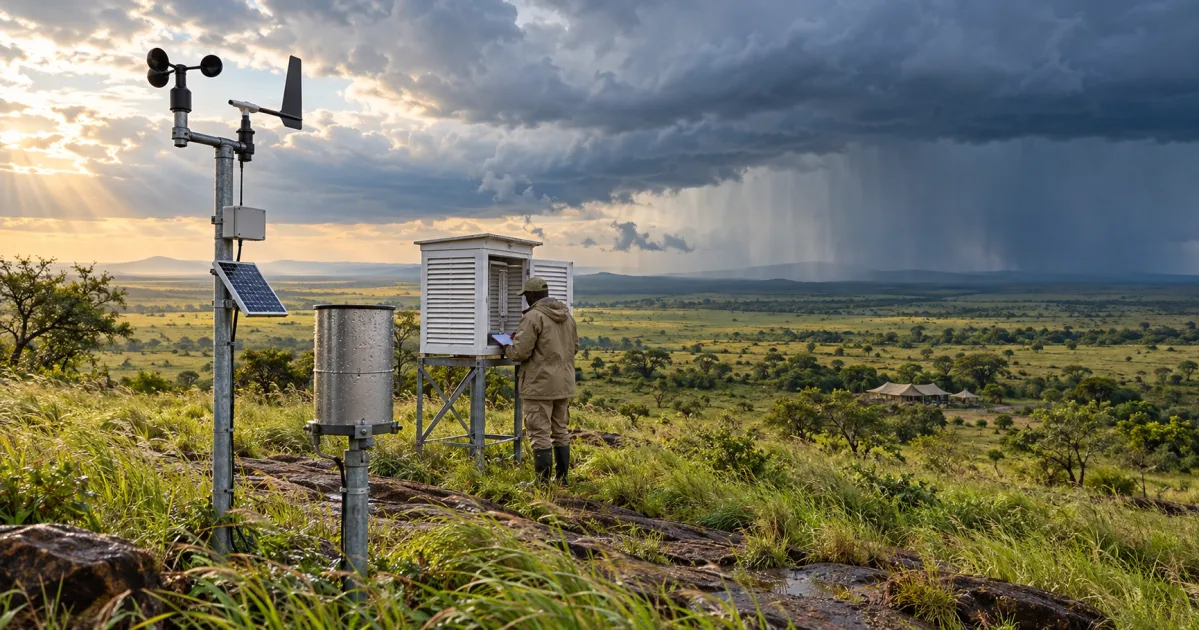
A local rain shower can slow down travel, make dirt roads muddy, or make it harder to reach remote camps. On the plus side, rain can make photos more colorful, refresh the landscape, and create dramatic skies. The real question isn’t if rain is bad, but whether your plans are flexible enough to handle it.
For that reason, ask operators specific questions before you pay a deposit:
Road exposure: Which sections of the route use unpaved roads, and what happens if a heavy shower affects them?
Transfer design: Are internal flights, private transfers, or additional transit nights included?
Activity reliability: Can the itinerary replace a delayed drive with another activity?
Camp access: Can you still reach the accommodation if local roads deteriorate?
Storm planning: What backup arrangements exist if weather affects a flight or road connection?
Packing from the forecast, not the brochure
Calling Africa a "hot climate" doesn't help much with packing. What matters more are the actual temperatures, rain, altitude, and when you'll be on the road—not just the continent name on your tour brochure.
For a northern itinerary, pack breathable daytime clothing with a warmer layer for mornings and evenings. In a Southern or East African safari route, prioritize quick-drying fabrics, a compact waterproof layer, and footwear that can handle damp ground. A neutral outer layer still helps with dust, sun, and cool early departures, but it shouldn't replace proper rain protection.
The best January trips are honest about these trade-offs. They don't promise perfect weather, but they explain where travel might slow, where rain can improve the scenery, and which experiences are still worth it even if the weather changes.
The Serengeti Calving Season Phenomenon
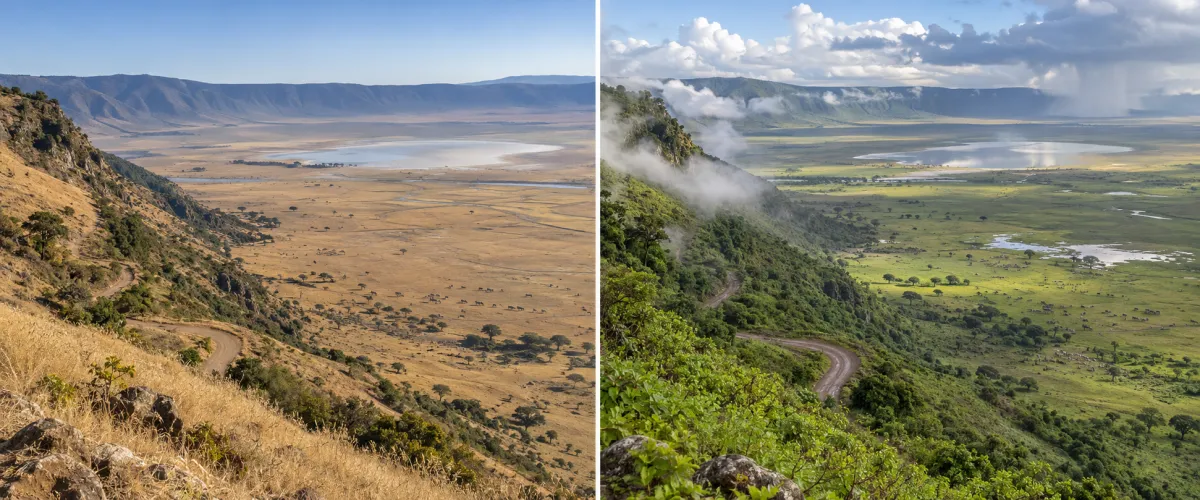
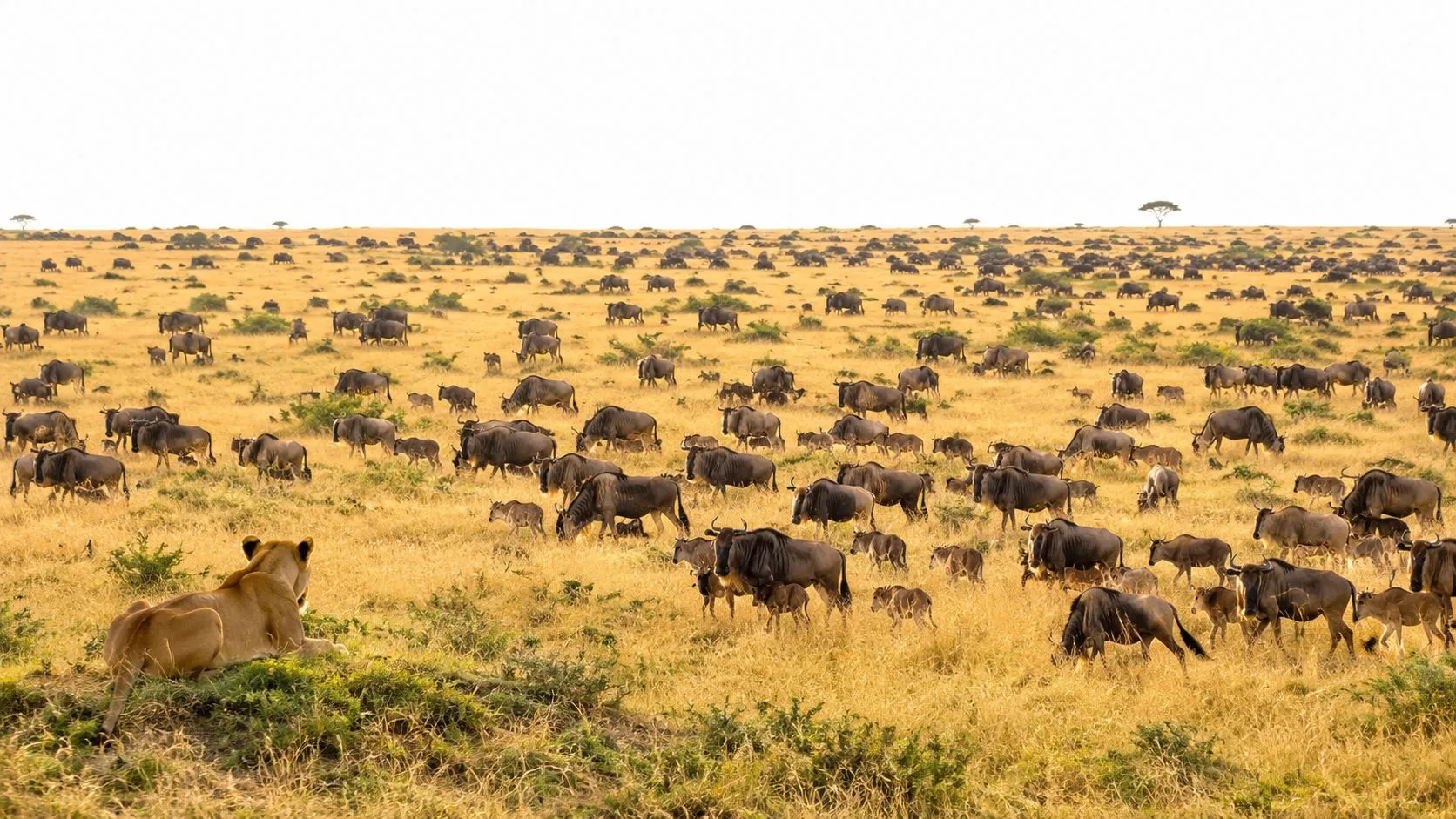
In January, the southern Serengeti and nearby Ndutu plains can make a regular game drive feel special. Rain brings new grass, and wildebeest gather for calving. The landscape turns green, but the real highlight is seeing newborns and the predators that follow.
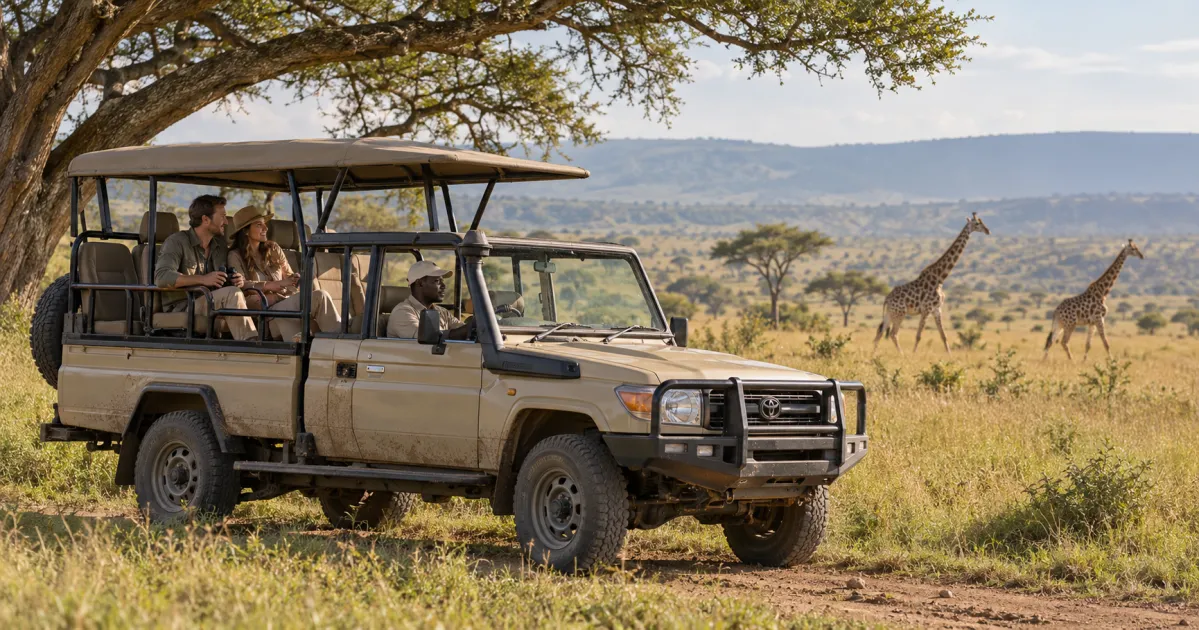
Lions, cheetahs, and hyenas are drawn to the newborn animals. The open landscape makes it easier for guides to spot movement and set up good photo opportunities. It’s not just about seeing big herds—it’s about watching the whole cycle, from grazing and calving to predators on the hunt.
Location matters more than the label.
A safari called a “migration safari” might not actually put you near the calving areas. Being in the southern Serengeti or Ndutu is very different from staying in the central or northern parts. This choice affects how long you’ll spend driving, what the roads are like, and how likely you are to see the herds.
That's why a good itinerary will tell you exactly where you'll be, not just give a general seasonal label. Check if your camp is in or near the southern area, if it moves with the seasons, and how the operator manages travel between airstrips, lodges, and game drives. A month-by-month guide helps, but your operator should also explain the specifics of January.
A migration label is not a location. Ask where you'll sleep and how you'll reach the herds.
The green-season compromise
For photographers, January's green landscapes are a big plus. New plants add color, newborn animals make for great photos, and open areas make it easier to watch predators. Birdwatching can also be especially good after the rains.
The trade-off is with travel. Local rain showers can slow you down on dirt roads and make schedules less certain. Guides might need to wait, take a different route, or allow extra time for transfers. This isn’t a problem with the safari itself, but it can be frustrating if you expected everything to run exactly on time.
Before you book, ask for a detailed breakdown of what’s included in the price. Things like internal flights, private transfers, and extra nights can make a big difference in comfort and value. A cheaper price isn’t always better if it means long drives, tricky connections, or extra costs for weather delays.
January also brings practical communication questions, especially for travelers coordinating arrival changes or meeting family members in Tanzania. Keeping a reliable way to contact local operators makes sense, and a guide to calling Tanzania with VoIP can help when conventional roaming is inconvenient.
The best calving-season trips recognize that great wildlife experiences and smooth logistics aren’t always the same. You’re picking a time with amazing animal activity, but that doesn't mean every road will be quick or every schedule will go as planned.
Choosing Your Destination by Region
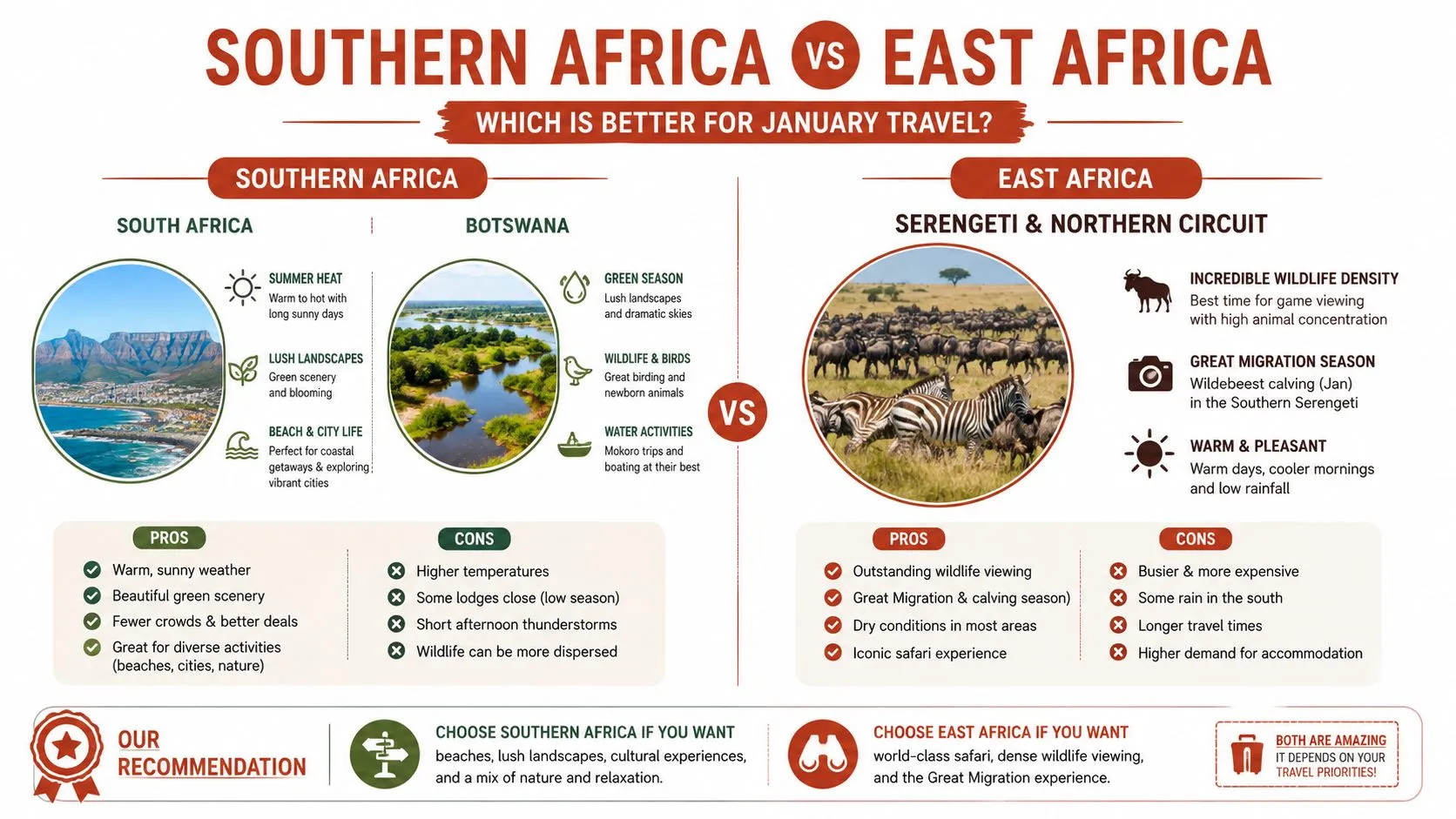
Southern Africa and East Africa offer very different experiences in January. There's no single answer for the whole continent—each region suits different travelers.
In Southern Africa, including South Africa and Botswana, January is usually wetter and warmer. The benefits are lush scenery, lots of birds, and a landscape that looks very different from the dry season. The downsides are trickier road conditions, possible afternoon storms, and thicker vegetation that can make spotting animals harder.
East Africa is different. In Tanzania's southern Serengeti, you can see the calving season, while Kenya offers warm weather, some rain, and great wildlife viewing. If you want to see a specific wildlife event, Tanzania is a good choice. If you prefer a mix of experiences in Kenya and Tanzania, you may need to plan more complex travel.
Compare the trade-offs
Published January rainfall figures show the range even within safari markets: about 89 mm in Tanzania's Serengeti, 95 mm in Kenya's Maasai Mara, about 110 mm around Botswana's Khwai and Okavango, and roughly 230 mm in Zambia's South Luangwa, as summarized in this January African safari destination comparison.
| Region | January appeal | Main trade-off |
|---|---|---|
| Southern Serengeti and Ndutu | Calving activity, open terrain, predator encounters | Showers can affect unpaved-road travel |
| Maasai Mara and wider Kenya | Flexible wildlife and cultural itineraries | Rainfall and route choice need close checking |
| South Africa | Summer landscapes and varied activities | Weather can be changeable in safari areas |
| Botswana's Khwai and Okavango | Green scenery, birdlife, and water-based possibilities | Wet conditions can influence access and activity design |
| South Luangwa | A more remote, lush safari atmosphere | Higher rainfall can create greater logistical sensitivity |
Match the region to your travel style
Pick the southern Serengeti if you want to focus on newborn animals and predator action. Choose South Africa if you’d like a trip that mixes safari with city visits, beaches, or wine country. Remember, the Western Cape can be warm and dry even when other safari areas are wetter.
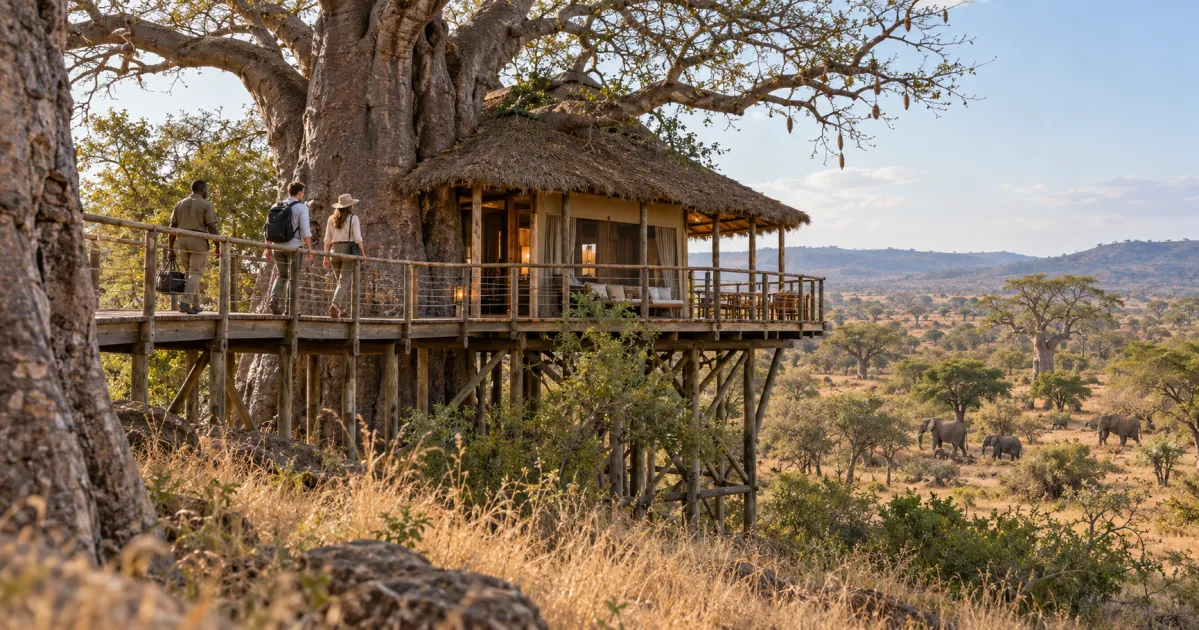
Go to Botswana if you want a greener, wilder setting and don’t mind asking about water levels, camp access, and activity changes. Pick South Luangwa if you care more about being remote than having easy transfers, but keep in mind that January’s rain is a big factor there.
Zanzibar is a great beach add-on if you want to combine safari and sea. But remember, its weather isn’t the same as the rest of East Africa. Climbing Kilimanjaro is a separate choice, too—it depends on altitude, how you adjust, your route, and mountain weather, not just the safari calendar.
Crowds and prices can vary a lot. Places with special seasonal events might be busier and more expensive, while greener, wetter destinations could offer better value. Instead of focusing only on price, ask for the full itinerary, accommodation type, included transfers, group size, and cancellation policies.
Health Precautions and Essential Packing
Handle malaria planning at the park and route level, not with a generic warning about Africa. One malaria travel dataset identifies January as the month with the highest incidence. Research on Zanzibar and mainland East Africa places the principal transmission season approximately from November or January through April to June, while South African transmission is associated with warmer, wetter months and a reported peak in January and February, according to this scientific review of malaria risk and seasonality.
Not every January safari has the same malaria risk. Factors like elevation, rainfall, location, and your exact route all play a part. Someone staying in one city faces different risks than someone traveling through several lowland parks and sleeping in open safari camps.
Make health preparation specific.
Arrange an appointment with a qualified travel-health professional before departure. Take the full itinerary, including parks, border crossings, coastal stays, altitude changes, and transit nights. Ask whether chemoprophylaxis is recommended, how to prevent mosquito bites, and which symptoms require urgent medical attention after you return home.
To reduce malaria risk, wear long sleeves when mosquitoes are active, use repellent as directed, and choose accommodations that help lower risk. Don’t assume a comfortable lodge means there's no risk, and don’t think every January safari is unsafe. The right choice depends on your destination and situation.
Pack for movement between climates
The best safari wardrobe is flexible, not overpacked. Pack for your actual route, not a generic idea of Africa.
For cool starts: Bring light layers you can remove as temperatures rise. A fleece or warm overshirt may be more useful than a heavy coat.
For rain: Pack a compact waterproof jacket and protect electronics in dry bags or waterproof pouches. A poncho can be practical during open-vehicle drives.
For sun: Use a wide-brimmed hat, sunglasses, high-factor sunscreen, and breathable long-sleeved clothing.
For roads: Choose closed, comfortable shoes with grip. Avoid packing footwear that takes a long time to dry.
For health: Carry personal medication in hand luggage, plus copies of prescriptions and essential medical information.
For connectivity: Keep chargers, a power bank, and a practical system for securing small electronics.
If you're getting ready for a longer trip, the Peace Corps packing list can help you think about durable, multipurpose gear. You don't need expedition gear for a safari, but a good flashlight, organized packing, and gear that works in different conditions can make camp life smoother.
For a detailed checklist, use an African safari packing list, then remove anything that doesn't fit your trip. Packing too much makes travel harder, but forgetting rain gear or health items can cause unnecessary problems.
Planning Your January Safari Itinerary
Plan your trip around your main reason for going. If you want to see calving wildlife, stay near the southern Serengeti or Ndutu. For a more varied holiday, mix safari with beach or city time, but avoid too many long transfers, especially where weather can cause delays.
The next decision is transport. Ask whether the operator recommends internal flights, private road transfers, or a combination. Flights can reduce long overland sections, while road travel offers more flexibility and a clearer sense of the terrain. In either case, allow time for local showers, especially when the route depends on unpaved roads.
Use a practical booking sequence.
Name the target experience. Decide whether you want calving, photography, birdlife, beach time, trekking, or a broad first safari.
Choose the park before the lodge. Accommodation should support access to the wildlife area, not force the route to work around a convenient property.
Request operational detail. Confirm road sections, flight inclusions, transfer times, camp relocation arrangements, and backup plans.
Check the health profile. Give a travel-health professional the final route, including coastal and lowland areas.
Compare like with like. Review lodging, meals, activities, transfers, park fees, group size, and cancellation terms together.
Keep the schedule resilient. Avoid making a critical international connection immediately after a long road transfer through a rain-sensitive area.
A January itinerary should state what weather may change and what won't. Wildlife viewing can remain excellent in green conditions, but road speeds and visibility may vary. A transparent operator will explain that distinction instead of presenting "migration season” or “green season" as a complete answer.
Before booking, read the day-by-day plan carefully. Look for named parks, realistic transfer times, clear inclusions, and accommodation positioned for the experience you want. If the itinerary only lists countries and broad attractions, ask for more detail. January rewards travelers who investigate the route rather than selecting a month from a generic best-time chart.
Explola connects travelers with verified African safari operators and lets you compare country, park, itinerary, lodging, and activity options for January travel. Visit Explola to review specific Tanzania and Kenya safari routes, ask operators about calving access and rain-related logistics, and organize your shortlist before requesting a direct quote.

Daniel writes for the Explola blog, where he covers African safari destinations, wildlife, travel trends, and practical trip planning. His work is centered on making safari travel easier to understand, compare, and plan.
Get Safari Tips & Destination Guides
Join our newsletter for exclusive travel tips, wildlife insights, and safari planning advice.