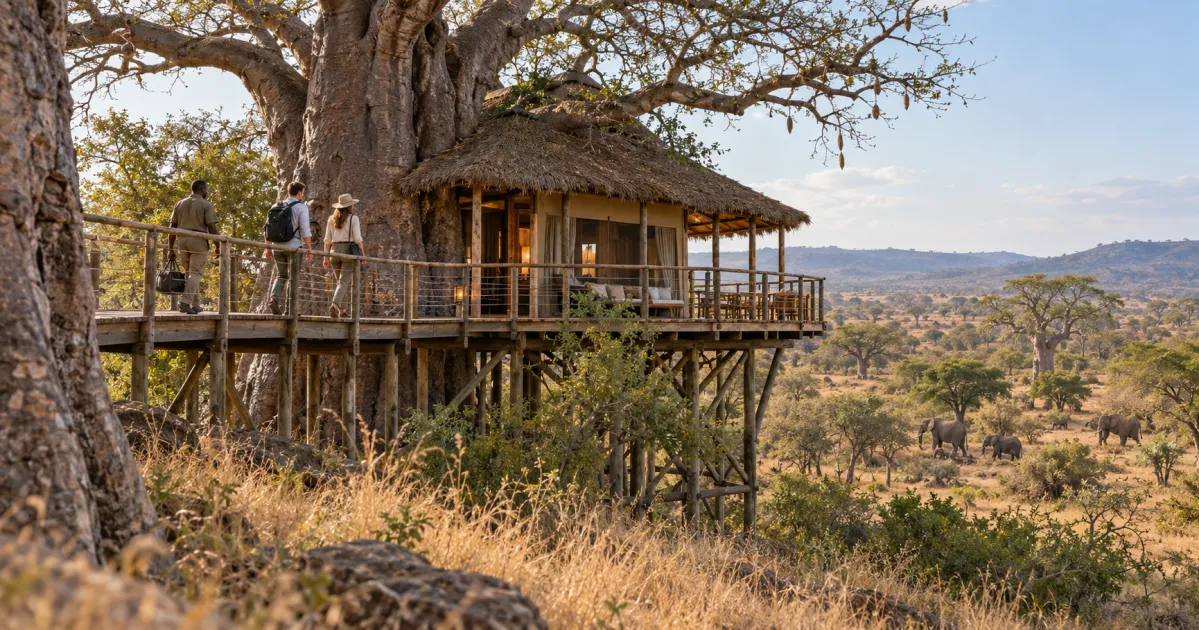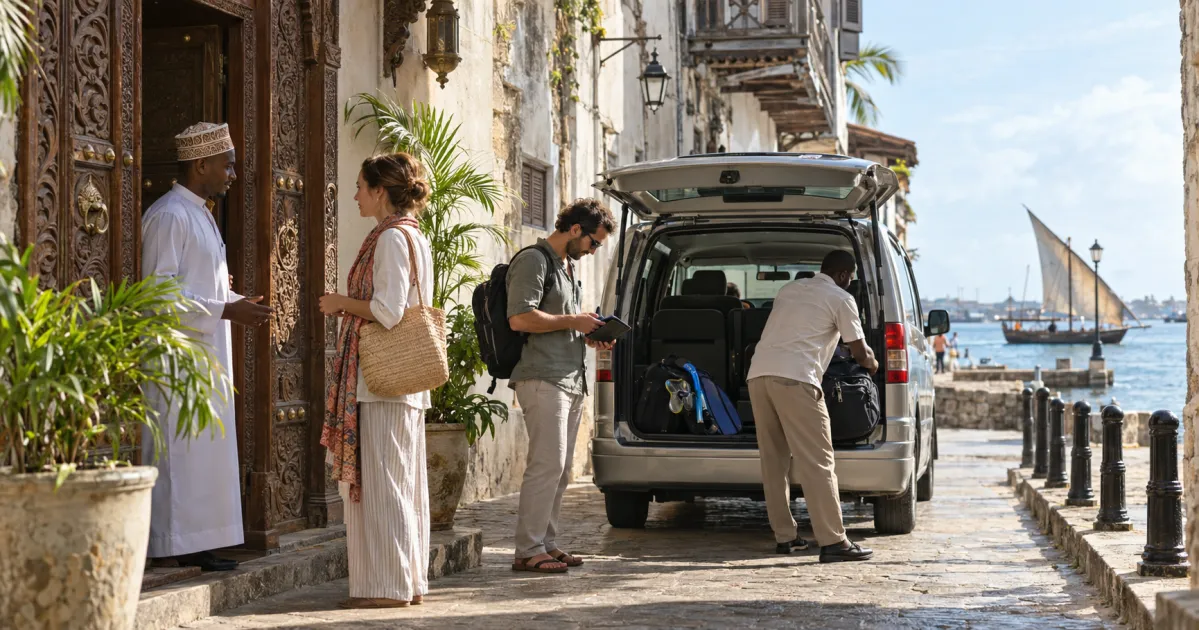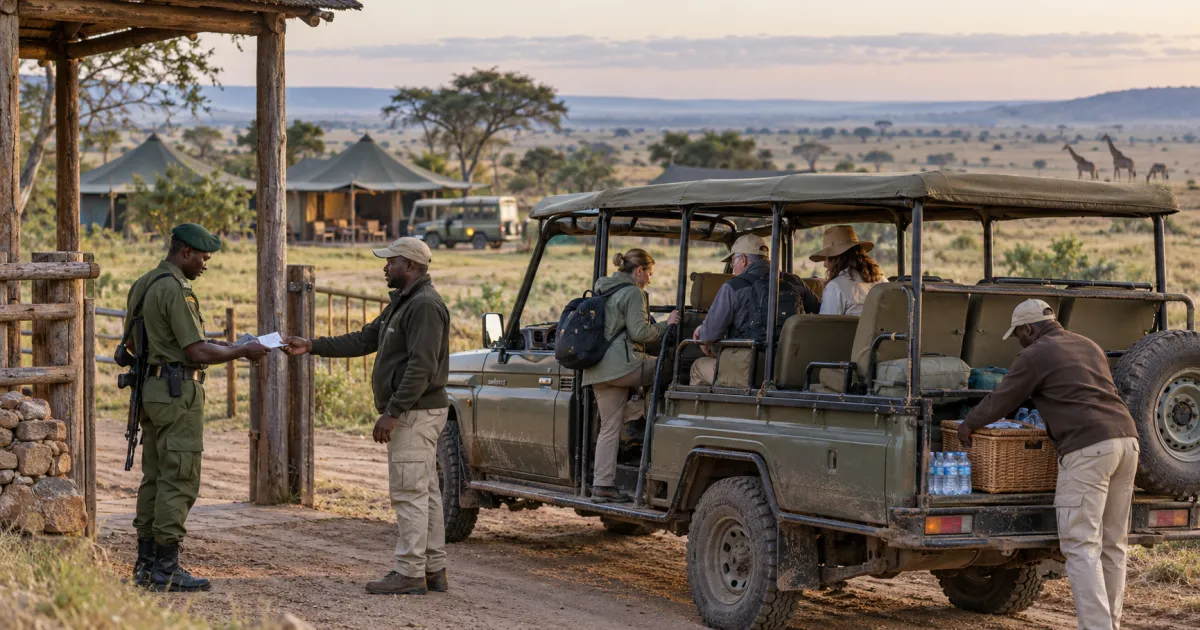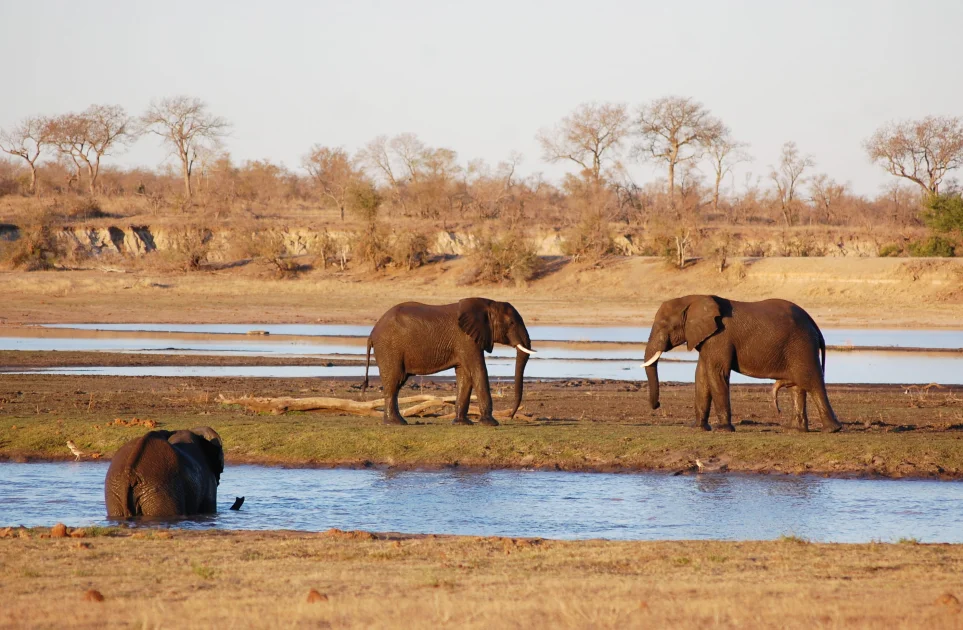
A safari in Tanzania begins before sunrise, when the air is cool, the grass is still wet with dew, and the sounds of the bush carry through the dark. A distant hyena call, the soft rustle of wind through camp, and the first light touching the canvas of your tent all signal that the day is about to begin.
For many travelers, this is the moment a Tanzania safari stops feeling like a plan and starts feeling real. Whether you are heading into the Serengeti plains, driving among ancient baobabs in Tarangire, or descending into the Ngorongoro Crater, one day on safari in Tanzania can feel like stepping into a world shaped entirely by wildlife, rhythm, and wonder.
Quick Takeaways
A typical safari day in Tanzania starts early with a sunrise game drive
Morning hours are often the best for wildlife viewing
Lunch is usually served in camp or as a picnic in the bush
Afternoon game drives reveal different animal behavior and landscapes
Evenings end with sunset, dinner, and stories back at camp
Morning: The Sunrise Game Drive
Your guide wakes you with a quiet knock and a hot cup of coffee or tea. Outside, the safari vehicle is already waiting, roof open and ready for the first game drive of the day. As you climb aboard, the sky begins its slow transformation from soft pink to orange to gold.
This is one of the most magical times to be out in the bush. The land is waking up, temperatures are still cool, and many animals are active. In the Serengeti, herds of wildebeest and zebra move across the plains in long, shifting lines. A lion pride may still be resting on a rocky outcrop after a night of movement. Giraffes cross the horizon in slow, graceful steps, silhouetted against the rising sun.
In Tarangire, elephants often dominate the scene, moving quietly through the landscape as calves stay close to their mothers. In Ngorongoro, the crater walls rise dramatically around you while wildlife spreads across the floor below. Every turn brings something new to notice, from fresh tracks in the dust to birds lifting suddenly from the grass.
The beauty of the morning drive is not just what you see, but how it feels. The air is fresh, the light is soft, and everything seems alert and alive.
Midday: Lunch and a Slower Pace
By late morning, the heat begins to build and the pace of the day naturally shifts. Depending on your itinerary and park rules, lunch may be served back at camp or as a picnic in a scenic spot out in the bush.
This is often one of the most enjoyable parts of the day. After hours of game viewing, sitting down for a meal in the middle of nature feels both relaxing and surreal. You may find yourself enjoying fresh fruit, bread, grilled meat, salads, or cold drinks while birds move nearby and the landscape stretches out in every direction.
It is also a time when your guide’s knowledge adds even more depth to the experience. Over lunch, stories start to flow more easily — about the animals, the land, the seasons, and the communities connected to these places. What begins as a meal often becomes part lesson, part conversation, and part quiet appreciation of where you are.
For a little while, the safari slows down. You rest, reflect, and take in the fact that this is now your normal for the day.
Afternoon: Deeper Into the Wild
As the day continues, energy returns and the safari heads back out. The afternoon game drive brings a different mood. The light grows warmer, the landscapes feel broader, and animal behavior often shifts again as temperatures begin to ease.
In Tarangire, you may drive between towering baobabs and dry riverbeds where elephants gather. In the Serengeti, the plains seem endless, glowing gold under the afternoon sun. In Ngorongoro, the crater reveals a remarkable variety of scenery, from open grasslands and swampy sections to soda lakes where flamingos sometimes gather.
This is often when the drama of safari becomes most memorable. A lioness may crouch low in the grass, watching a herd from a distance. Buffalo may bunch together and stare into the bush. Elephants may splash in mud while younger calves play at the edges. Even when nothing dramatic happens, the atmosphere itself holds your attention.
A good guide reads the landscape constantly. A fresh track, a broken branch, a warning call from a bird — all of these can signal what may happen next. Just as important, your guide knows when to stop and let the moment breathe. Sometimes the most powerful part of a safari is not action, but stillness: the sound of zebra grazing, the distant call of an eagle, or the silence before something moves.
Evening: Sunset and the Return to Camp
As the sun lowers, the bush changes once again. The sky deepens into orange, pink, and red, and the silhouettes of acacia trees begin to stand out sharply against the horizon. This is the hour that gives safari some of its most unforgettable images.
You may stop on a rise to watch the final light stretch across the plains. A giraffe may pass slowly in the distance. Dust hangs in the air behind the vehicle, glowing in the low sun. Somewhere beyond sight, a lion may roar as evening settles in.
The return to camp has its own kind of magic. Lanterns flicker on. The smell of wood smoke drifts through the air. Back in your tent, a hot shower and a change of clothes feel especially welcome after a full day outside.
Dinner often becomes the perfect ending. Soup, grilled meat, vegetables, fresh bread, and drinks are served under the stars or in a softly lit dining tent. Conversations return to the best sightings of the day, the near-misses, the laughter, and the moments no one expected. By the fire, the day begins to replay itself in stories.
What Makes a Tanzania Safari Day So Special
A safari in Tanzania is not memorable only because of the animals. It is memorable because of how completely it draws you into their world.
You feel the dust on your skin and the early chill in the air. You learn to notice tracks, alarm calls, shadows, and silence. You begin to understand that the bush runs on its own time, not yours. The experience becomes more than sightseeing. It becomes immersion.
That is why even one day can leave such a strong impression. No photograph fully captures the feeling of locking eyes with a lion. No video can reproduce the hush that falls across the savannah at sunset. The experience stays with you because it is physical, emotional, and deeply present.
Final Thoughts
One day on safari in Tanzania can change the way you see the natural world. It reminds you that wildlife is not a spectacle staged for visitors, but a living system you are lucky enough to witness for a moment.
From the first coffee before sunrise to the last stories around the fire, a safari day is filled with movement, beauty, patience, and surprise. And when you finally fall asleep under canvas or beneath a sky full of stars, you already understand why so many travelers leave Tanzania hoping to return.
Frequently Asked Questions
What time does a safari day usually start in Tanzania?
Most safari days begin early, often around sunrise, because the cooler morning hours are one of the best times to see wildlife.
Do safaris in Tanzania include lunch?
Yes, many safaris include lunch, either back at camp or as a picnic in a designated area during the day.
Is every day on safari the same?
No. Even when the structure is similar, each day feels different because wildlife movement, weather, light, and sightings constantly change.
Which parks offer this kind of safari experience in Tanzania?
Serengeti National Park, Tarangire National Park, and the Ngorongoro Crater are among the best-known places for this kind of classic safari day.
What makes a Tanzania safari different from other trips?
A safari in Tanzania combines wildlife, landscapes, skilled guiding, and immersion in nature in a way that feels much more personal than ordinary sightseeing.
Tags
Destinations Mentioned

Clinton Remen Mbowe is an author and IT specialist based in Tanzania, with a strong interest in tourism and digital innovation. Drawing from his background in technology and design thinking, he explores how digital solutions can enhance travel experiences and promote tourism development. Through his writing, Clinton shares practical insights, perspectives, and ideas on tourism, innovation, and everyday experiences, helping readers better understand and explore Tanzania and the broader African landscape.
Get Safari Tips & Destination Guides
Join our newsletter for exclusive travel tips, wildlife insights, and safari planning advice.