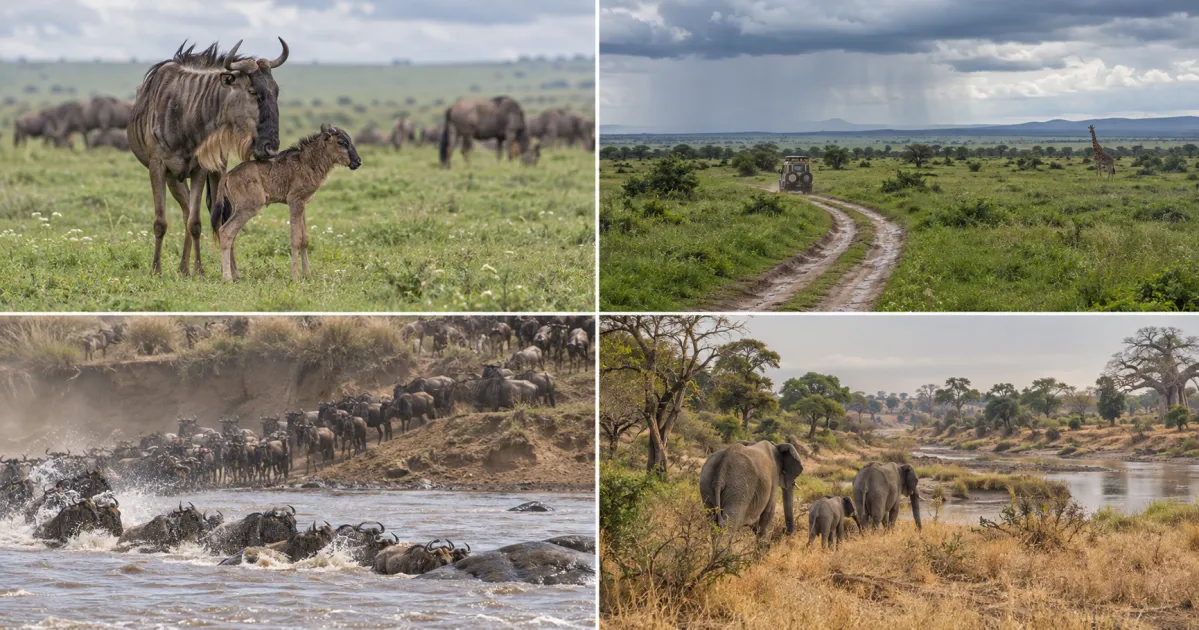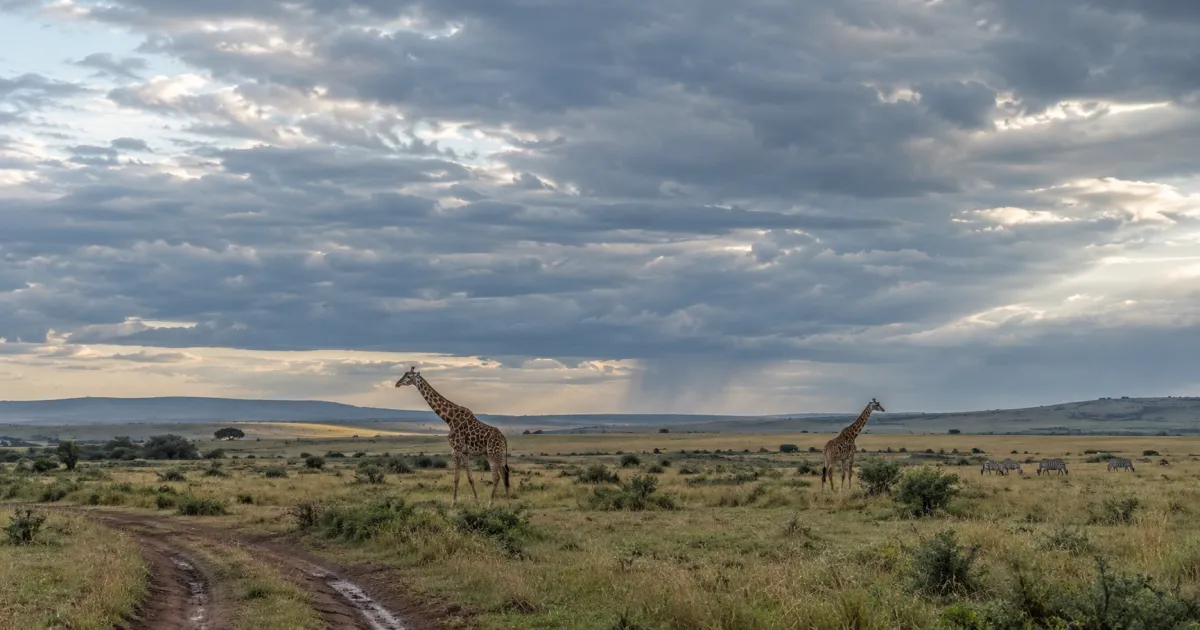
Every time a traveler books your safari through an OTA, you hand over up to 25% of your revenue before the trip even begins. That commission compounds across dozens of bookings each season, quietly eroding your margins. The good news is that 89% of safari travelers start their research on Google, which means the opportunity to intercept them before they ever reach an OTA is real and achievable. The strategies in this guide are built on evidence from operators who have already made the shift, and they show exactly how content marketing can drive more direct bookings for your business.
Key Takeaways
Point | Details |
|---|---|
SEO content drives bookings | Focused SEO and traveler intent content can significantly boost your direct booking numbers. |
Storytelling increases conversions | Narrative-driven campaigns and seasonal stories lead to higher engagement and email lead conversions. |
Trust signals build credibility | Highlighting genuine guest reviews and user-generated content enhances trust and organic leads. |
Sustainability targets luxury | Emphasizing conservation and community impact appeals to high-value, ethical travelers. |
Mobile and voice are critical | Optimizing for mobile devices and voice search meets travelers where they begin their booking journey. |
Start with intent-driven SEO content
Most travelers do not open Google and type "book safari now." They ask questions. They search for the best time to visit the Serengeti, what to pack for a Kenya safari, or where to see the Great Migration. These are intent-based queries, and they represent the earliest and most valuable stage of the booking journey.
Intent-based keywords are the foundation of SEO for safari operators. When your website answers these questions with detailed, accurate content, you become the trusted source before any OTA enters the picture. Destination guides, seasonal wildlife calendars, and packing lists are not just helpful resources. They are the content types that rank, attract organic traffic, and convert curious browsers into paying guests.
The results can be dramatic. One Kenya travel company achieved 400% revenue growth and a 330% increase in organic traffic by building out exactly this kind of topical content. That is not a fluke. It is what happens when you consistently answer the questions your ideal travelers are already asking.
Here are the content types that deliver the strongest SEO results for safari operators:
Destination guides covering specific parks, regions, and ecosystems
Seasonal wildlife guides tied to migration patterns and peak viewing windows
Packing and preparation lists for first-time and returning safari travelers
Itinerary breakdowns showing day-by-day experiences across different trip lengths
FAQ pages targeting common traveler concerns about safety, visas, and climate
Pro Tip: Build topical authority by publishing a cluster of related content around one destination or experience. For example, five articles about the Masai Mara covering timing, wildlife, accommodation, packing, and photography will rank better together than five unrelated posts. Pair this approach with winning direct bookings strategies to maximize the impact of your organic traffic.
Technical performance matters too. A slow, desktop-only website will lose travelers before they read a single word. Make sure your content for safari planning loads fast, displays cleanly on mobile, and uses clear calls to action that guide visitors toward an inquiry or booking.
Create storytelling campaigns to engage and convert
Knowing what travelers search for is only half the equation. The other half is making them feel something. Storytelling content does what a price list never can: it puts the traveler inside the experience before they book.
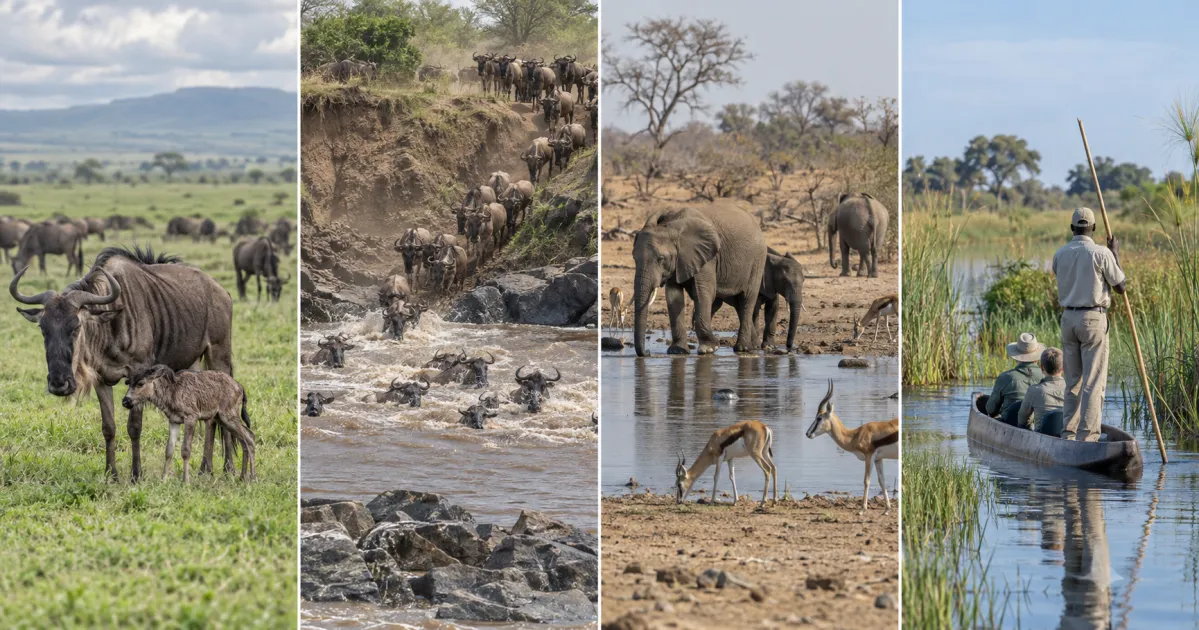
Seasonal campaigns are especially powerful. Aligning content with migrations, such as the June to October wildebeest crossing in the Masai Mara, gives you a natural content calendar and a reason for travelers to engage right when they are planning. A migration diary series, a photo essay from last season, or a short video of a river crossing can generate more inquiry volume than any paid ad.
"The most effective safari content does not sell a trip. It sells a memory the traveler has not made yet."
Here is a practical framework for building storytelling campaigns that convert:
Choose a seasonal anchor such as a migration, a calving season, or a dry season wildlife concentration.
Create a hero piece like a long-form guide or video that captures the full experience.
Break it into smaller assets including social posts, email snippets, and short reels.
Build an email capture around the campaign with a lead magnet like a free migration timing guide.
Follow up with a nurture sequence that moves leads from curiosity to inquiry.
This approach works. Saruni Basecamp generated over 3,000 email leads with an 18% conversion rate using storytelling content combined with targeted ads. That conversion rate is exceptional in any industry, and it came from content that felt personal and experiential rather than transactional.
Pro Tip: Use your follow-up templates for inquiries to keep storytelling consistent across every touchpoint, from the first email to the final booking confirmation. Consistency in tone builds trust faster than any single piece of content.
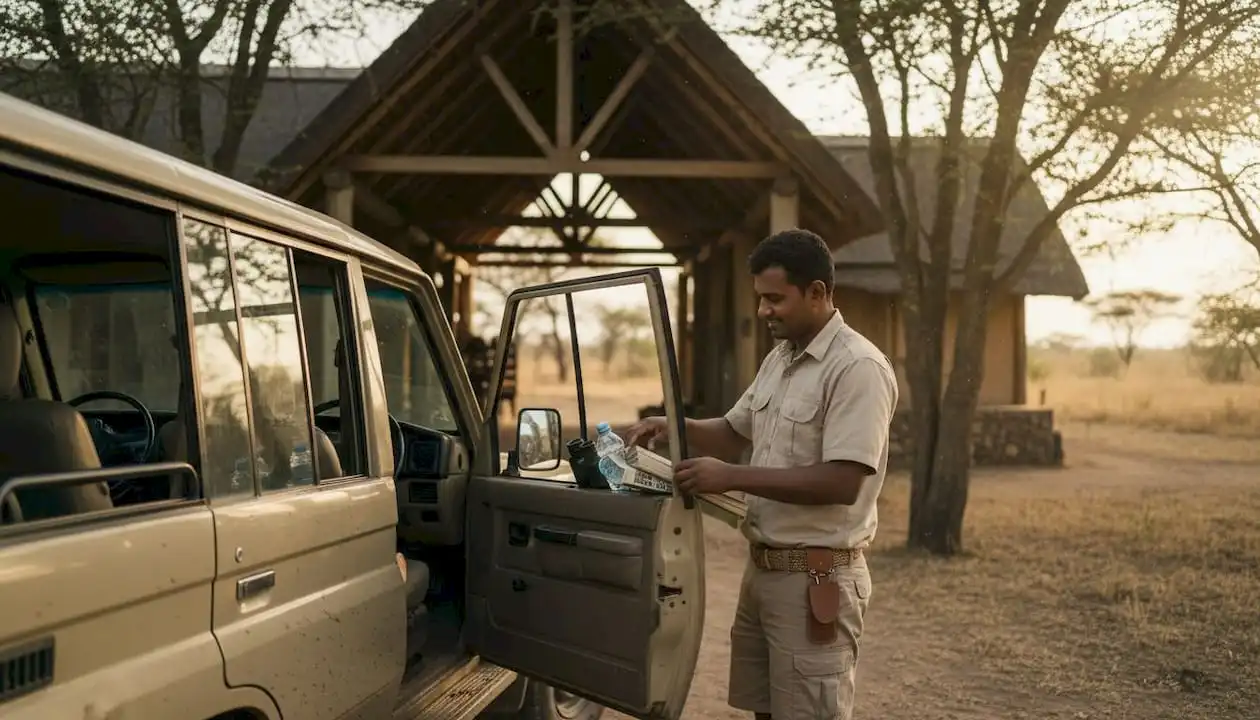
Visual storytelling amplifies everything. Photo essays from past guests, behind-the-scenes footage of your guides preparing for a game drive, and short clips of wildlife encounters all give travelers a window into what they will experience. You can showcase safari experiences in ways that no OTA listing ever could.
Leverage reviews and user-generated content
Your own stories are compelling, but guest voices carry a different kind of weight. Travelers trust other travelers. A detailed review from a past guest describing a leopard sighting at dusk is more persuasive than any marketing copy you could write.
The key is where you display those reviews. OTAs collect and own the reviews left on their platforms. When a traveler reads a glowing review on an OTA site, the OTA gets the booking. When that same review lives on your website, you get the booking. This distinction matters enormously for your revenue.
Review placement | Who benefits | Impact on direct bookings |
|---|---|---|
OTA platform only | OTA captures the lead | Low direct impact |
Your website | You capture the lead | High direct impact |
Both channels | Mixed, OTA still dominant | Moderate direct impact |
Your site plus Google Business | You own the visibility | Strongest direct impact |
One Kenya travel company generated over 300 qualified leads per month by making reviews a central part of their website content strategy. That volume of organic leads represents a significant reduction in OTA dependency.
User-generated content, meaning photos and stories shared by guests on social media, adds another layer. Encourage guests to tag your business and share their images. Repost with permission and credit. This creates a continuous stream of authentic content that costs you nothing and builds trust signals for safari operators that no paid campaign can replicate.
Promote sustainability and community impact in content
Luxury safari travelers in 2026 are not just buying an experience. They are buying alignment with their values. Conservation, community involvement, and ethical wildlife practices are not just good ethics. They are powerful content pillars that attract the highest-value travelers.
"Travelers who care about impact are also the travelers most likely to book direct, pay premium rates, and return."
Highlighting conservation and community impact in your content attracts ethical luxury travelers who actively seek out operators with transparent practices. These travelers research deeply, which means they will find your content if it exists and they will trust you more because of it.
Content ideas that work well in this category include:
Staff spotlight stories featuring your guides, trackers, and camp staff
Conservation project updates showing real progress on wildlife or habitat initiatives
Community partnership features highlighting local schools, artisans, or health programs
Behind-the-scenes sustainability content covering solar power, water conservation, or waste reduction
Guest impact reports showing travelers the tangible difference their booking made
The results from operators who have committed to this approach are striking. Isibindi Africa Lodges achieved 900% user growth and R1.29 million in direct bookings through an integrated strategy that combined SEO, seasonal campaigns, and impact-focused content. That outcome reflects what happens when your content speaks directly to what your ideal traveler cares about most.
Explore ethical safari content tips to find practical ways to weave sustainability into your existing content without it feeling forced or performative.
Optimize for mobile and voice search
All of the content strategies above only work if travelers can actually find and use your content on the devices they carry. Up to 70% of safari bookings now happen via mobile, and voice search is growing fast as travelers ask their phones questions while planning trips.
Voice queries sound different from typed searches. Instead of "Masai Mara migration June," a voice search sounds like "Where can I see the wildebeest migration in June?" Your content needs to answer both formats.
Here is how to adapt your content for mobile and voice:
Use conversational headings that mirror how people actually ask questions
Write short, direct answers at the top of each section before expanding into detail
Ensure fast load times by compressing images and minimizing unnecessary scripts
Design for thumb navigation with large buttons, clear menus, and easy-to-tap inquiry forms
Create FAQ sections on key pages that directly answer common voice search queries
Pro Tip: Review your top five pages and rewrite the first paragraph of each to directly answer the most likely question a traveler would ask about that topic. This single change can improve both voice search visibility and time-on-page. Find more mobile safari content tips to keep your site competitive as search behavior continues to shift.
Take your safari content to the next level
The strategies in this guide work. But executing them consistently, while also running daily operations, managing guides, and handling guest logistics, is a real challenge. That is where having the right platform makes all the difference.
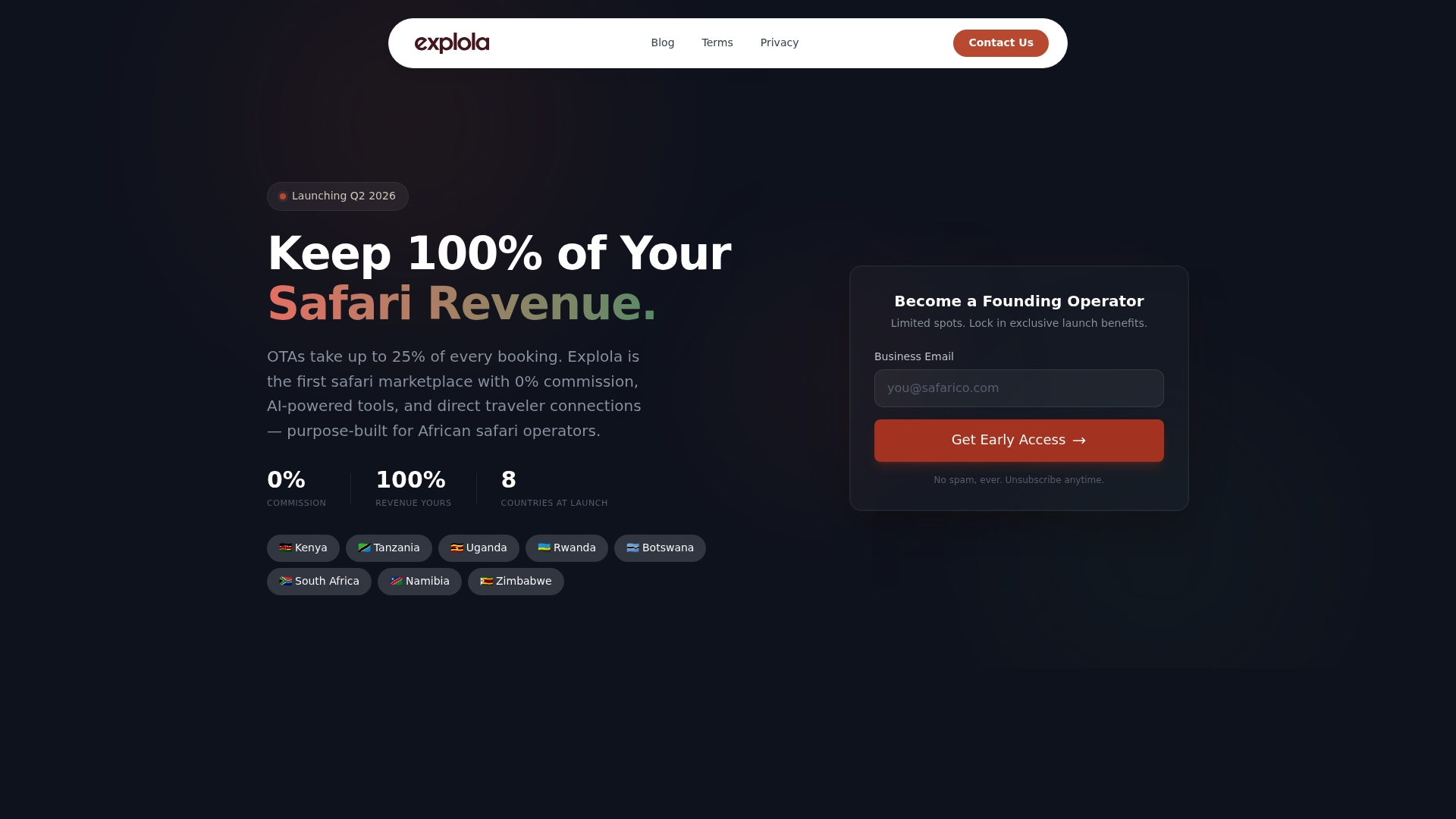
Explola is built specifically for safari operators in East and Southern Africa who want to stop losing revenue to OTAs and start owning their direct booking channel. The platform combines AI-powered content optimization, lead scoring, and inquiry automation with a marketplace that puts your operation in front of travelers searching without the middleman. You keep 100% of your revenue, you own your customer data, and you get the tools to implement everything covered in this guide. If you are ready to reduce OTA dependency and grow your direct bookings, connect with travelers through Explola and see what direct engagement actually looks like.
Frequently asked questions
What is the first content type safari companies should prioritize for direct bookings?
Intent-based SEO guides and destination tips are the highest-priority starting point because they capture travelers at the earliest stage of planning, before OTAs enter the picture.
How effective are storytelling campaigns in converting leads?
Storytelling campaigns can be highly effective. Saruni Basecamp achieved an 18% lead conversion rate from a campaign that combined experiential content with targeted ads and email follow-up.
Should reviews be featured mainly on OTAs or your own site?
Reviews should live primarily on your own website. One Kenya travel company generated over 300 monthly leads by centering reviews on their own site rather than relying on OTA platforms.
Do conservation and sustainability topics really help attract luxury travelers?
Yes. Conservation-focused content directly appeals to ethical luxury travelers who research deeply and are more likely to book direct and pay premium rates.
What percentage of safari bookings happen on mobile?
Up to 70% of bookings now occur on mobile devices, making mobile optimization a non-negotiable part of any direct booking content strategy.
Recommended

Founder of Explola and a passionate advocate for authentic African travel. He writes about safari destinations, conservation, and connecting travelers with trusted local operators across Africa.
Get Safari Tips & Destination Guides
Join our newsletter for exclusive travel tips, wildlife insights, and safari planning advice.