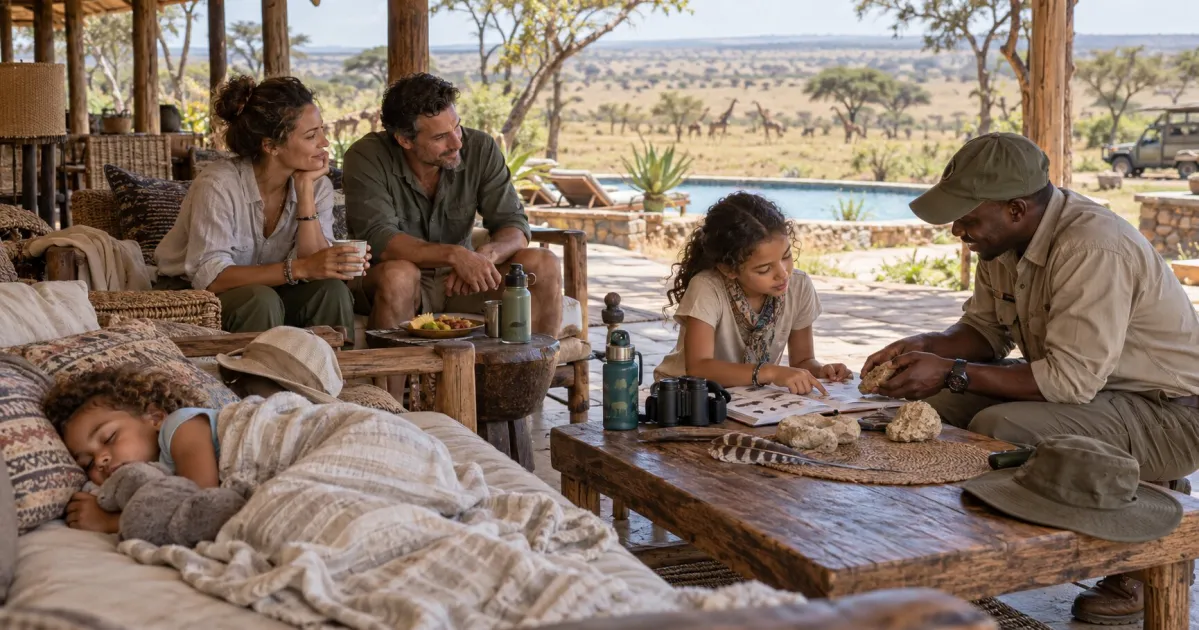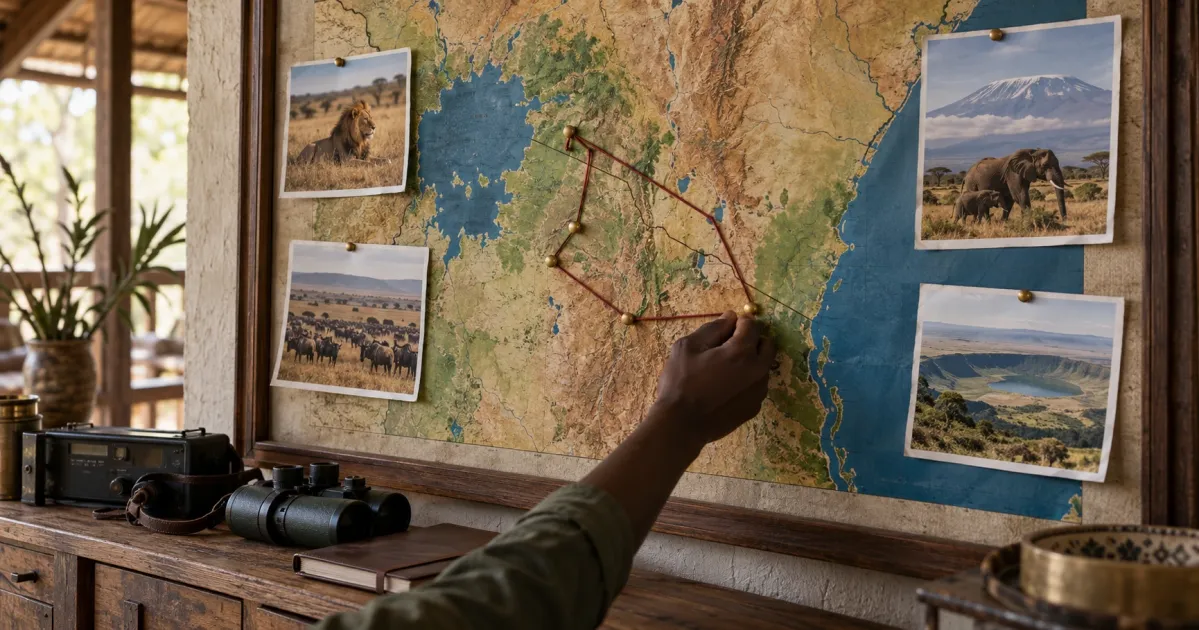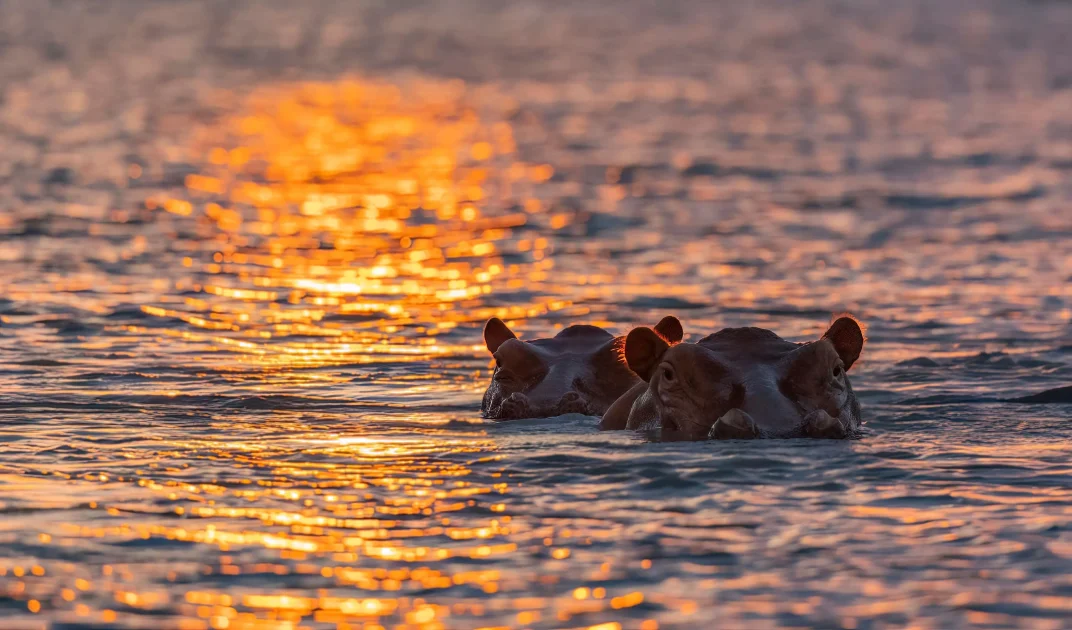
East Africa is one of the world’s most unforgettable travel regions, known for its iconic wildlife, dramatic landscapes, and warm cultural encounters. For many first-time visitors, it is the dream of watching the Great Migration cross the Serengeti in Tanzania, spotting the Big Five in Kenya’s Maasai Mara, or trekking through Uganda’s misty forests to see mountain gorillas.
If you are planning your first safari or broader trip through the region, a little preparation goes a long way. These essential East Africa travel tips for first-time visitors will help you feel more confident about visas, health precautions, packing, safety, transportation, money, and choosing the right safari company.
Quick Tips for First-Time Visitors to East Africa
Check visa and entry requirements well before departure
Visit a travel clinic 4 to 6 weeks before your trip
Pack lightweight, neutral-colored clothing for safari
Carry some cash for remote areas and tipping
Travel with a reputable safari operator
Keep digital and printed copies of important documents
Learn a few local greetings to show respect
Visa and Entry Requirements
Entry requirements vary slightly by country, but they are usually straightforward with advance planning. All travelers should carry a passport valid for at least six months beyond their planned departure date, with enough blank pages for entry and exit stamps.
Kenya: Most foreign visitors, except citizens of East African Community member states, need to apply for an Electronic Travel Authorization before departure.
Tanzania: Travelers can usually apply online for an eVisa, and some nationalities may still be able to obtain a visa on arrival at major entry points.
Uganda: Most visitors are expected to apply online in advance for a visa approval. Travelers visiting Uganda, Kenya, and Rwanda on the same trip may also consider the East African Tourist Visa.
A yellow fever vaccination certificate may also be required, especially if you are arriving from or transiting through a country with yellow fever risk. It is wise to carry printed or digital copies of your return ticket, accommodation details, and itinerary, since these may occasionally be requested.
Good to know: Apply early where possible and confirm requirements on official government websites before travel, since rules can change.
Health and Vaccination Tips
Protecting your health is usually simple when you prepare ahead of time. Visit a travel clinic about 4 to 6 weeks before departure for advice based on your itinerary. Routine vaccinations such as MMR, tetanus, and hepatitis B should be up to date.
Common travel health recommendations include:
Yellow fever: Required or strongly recommended in some cases depending on your route and travel history
Hepatitis A and typhoid: Often recommended because of food and water exposure risks
Malaria prevention: Important in many lowland areas and may include prescription medication, insect repellent, mosquito nets, and long sleeves at dusk
Drink bottled or properly filtered water, avoid ice unless you know it is purified, and pack basic medication for common issues such as traveler’s diarrhea or motion sickness. Travel insurance that includes medical evacuation can also provide extra peace of mind.
What to Pack for an East Africa Safari
Packing for safari is all about comfort, practicality, and simplicity. In most cases, less is more. Choose neutral, earth-toned clothing such as khaki, beige, or olive, which works well in safari settings. Lightweight, quick-dry layers are especially useful.
Pack:
Long-sleeve shirts and pants for sun and insect protection
A fleece or light jacket for cool early mornings and evenings
Comfortable, broken-in walking shoes or boots
A wide-brimmed hat and polarized sunglasses
Essential extras include:
Binoculars such as 8x42
A camera with zoom lens or a good smartphone
High-SPF sunscreen, lip balm, and insect repellent
A sturdy daypack and reusable water bottle
A quick-dry towel
A compact rain jacket for seasonal showers
Choose a soft-sided duffel bag instead of a hard suitcase, especially if your itinerary includes light aircraft transfers. Leave expensive jewelry and unnecessary valuables at home.
Safari packing tip: Pack light, but do not skip the layers. East African safari days can start cold, turn hot by midday, and cool down again in the evening.
Safety Tips and Cultural Etiquette
East African destinations are generally welcoming and enjoyable to visit, especially when you travel with reputable operators and use normal precautions. Stick to organized tours where appropriate, avoid walking alone after dark in unfamiliar urban areas, and always follow your guide’s instructions around wildlife.
Petty theft is usually less of a concern in safari camps than in busy city areas or markets, but it is still smart to use hotel safes, keep valuables secure, and stay aware of your surroundings.
Respect for local culture will also make your experience richer. Helpful etiquette includes:
Greeting people warmly with “Jambo” or “Habari”
Offering a handshake where appropriate
Asking permission before photographing people
Dressing modestly when visiting local communities
Learning a few basic Swahili phrases
Tipping respectfully where customary
These small gestures often lead to more meaningful and memorable interactions during your trip.
Getting Around East Africa
East Africa covers large distances, but getting around is often easier than first-time travelers expect. Many international visitors arrive through major gateways such as Nairobi in Kenya or Kilimanjaro in Tanzania.
Domestic and regional flights can save significant travel time and often provide spectacular views of plains, mountains, and lakes. Many safari itineraries include short flights between parks and reserves.
On the ground, professional safari companies typically use 4x4 vehicles such as Toyota Land Cruisers with pop-up roofs for wildlife viewing. Experienced drivers often double as guides, helping you navigate both the roads and the safari experience with ease.
Road conditions vary by route and season, but a strong local operator can make the journey much smoother and less stressful.
Money, Tipping, and Payments
Cash remains very useful in East Africa, especially in remote areas. Clean, newer US dollar bills are often preferred for some tourism-related expenses, while local currencies such as the Kenyan shilling, Tanzanian shilling, and Ugandan shilling are better for smaller purchases.
ATMs are available in major towns, cities, and airports. International cards such as Visa and Mastercard are accepted at many lodges, hotels, and larger restaurants, but it is still wise to carry some cash if your trip includes rural areas.
Tipping is customary on many safaris and is a meaningful way to thank guides, camp staff, and porters. The amount varies depending on your style of travel, destination, and lodge standard, but many travelers prefer to set aside a tipping budget in advance.
First-time traveler note: Carry a mix of local currency and US dollars so you have flexibility throughout your trip.
Why Booking With a Local Safari Company Can Improve Your Experience
Booking with a locally based safari company can improve nearly every part of your trip. These operators often employ guides with deep regional knowledge, provide more personalized service, and understand local conditions, wildlife behavior, and lesser-known experiences that may not appear in standard itineraries.
For first-time visitors, this can mean smoother logistics, better flexibility when plans change, and more direct support throughout the journey. It can also mean that more of your spending remains in East Africa, supporting local jobs, conservation efforts, and community initiatives.
Many first-time safari travelers find that a reputable local operator brings both expertise and warmth to the experience, turning a memorable trip into a more meaningful one.
Final Thoughts
Your first trip to East Africa should feel exciting, not overwhelming. With the right preparation, you can focus less on logistics and more on the experience itself, whether that means your first game drive, your first sunrise over the savanna, or your first close encounter with the region’s people, wildlife, and landscapes.
Pack light, stay curious, plan ahead, and choose the right travel partners. For first-time visitors, East Africa offers not only adventure, but also the kind of journey that stays with you for years.
Safe travels. Your East African story awaits!
Frequently Asked Questions
Is East Africa safe for first-time visitors?
Yes, many first-time visitors travel comfortably in East Africa, especially when using reputable safari operators and following normal travel precautions.
Do I need a visa to visit East Africa?
In many cases, yes. Visa and entry requirements vary by country, so travelers should check the official government requirements for Kenya, Tanzania, Uganda, or any other destination on their itinerary.
What should I pack for an East Africa safari?
Pack neutral-colored clothing, lightweight layers, comfortable shoes, sun protection, insect repellent, and essential safari gear such as binoculars and a daypack.
Can I use US dollars in East Africa?
US dollars are widely useful for certain tourism-related expenses, but local currency is still important for small purchases, tips, and local markets.
Should I book with a local safari company?
For many first-time travelers, yes. A reputable local safari company can provide better regional knowledge, more personalized service, and smoother logistics.
Related Articles
Tags
Destinations Mentioned

Clinton Remen Mbowe is an author and IT specialist based in Tanzania, with a strong interest in tourism and digital innovation. Drawing from his background in technology and design thinking, he explores how digital solutions can enhance travel experiences and promote tourism development. Through his writing, Clinton shares practical insights, perspectives, and ideas on tourism, innovation, and everyday experiences, helping readers better understand and explore Tanzania and the broader African landscape.
Get Safari Tips & Destination Guides
Join our newsletter for exclusive travel tips, wildlife insights, and safari planning advice.