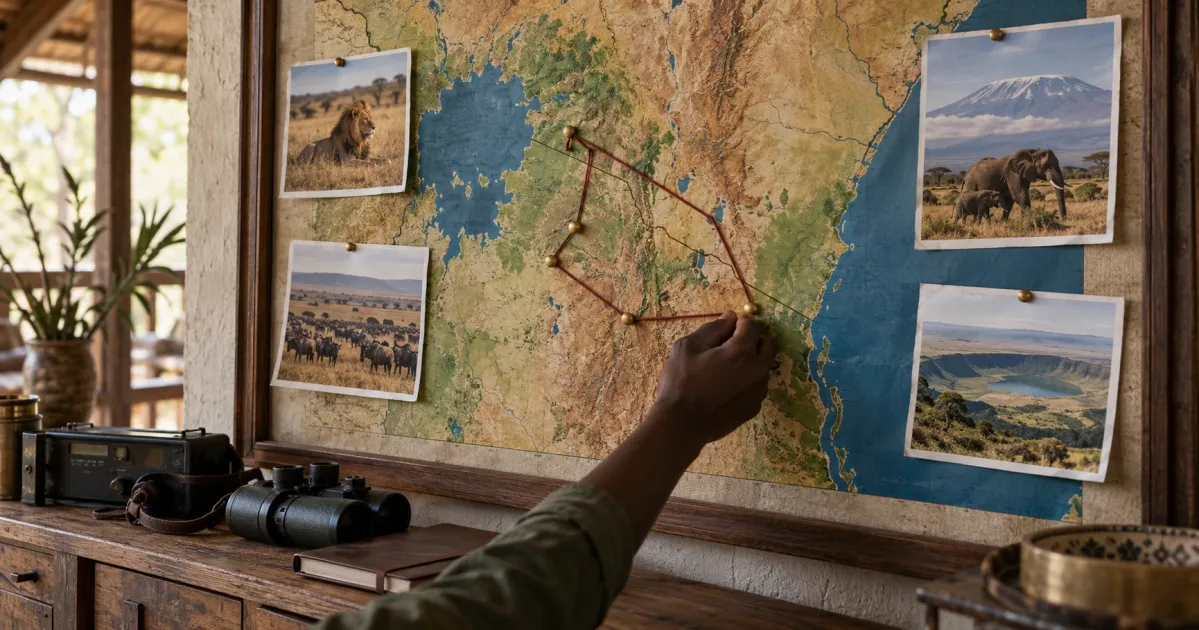
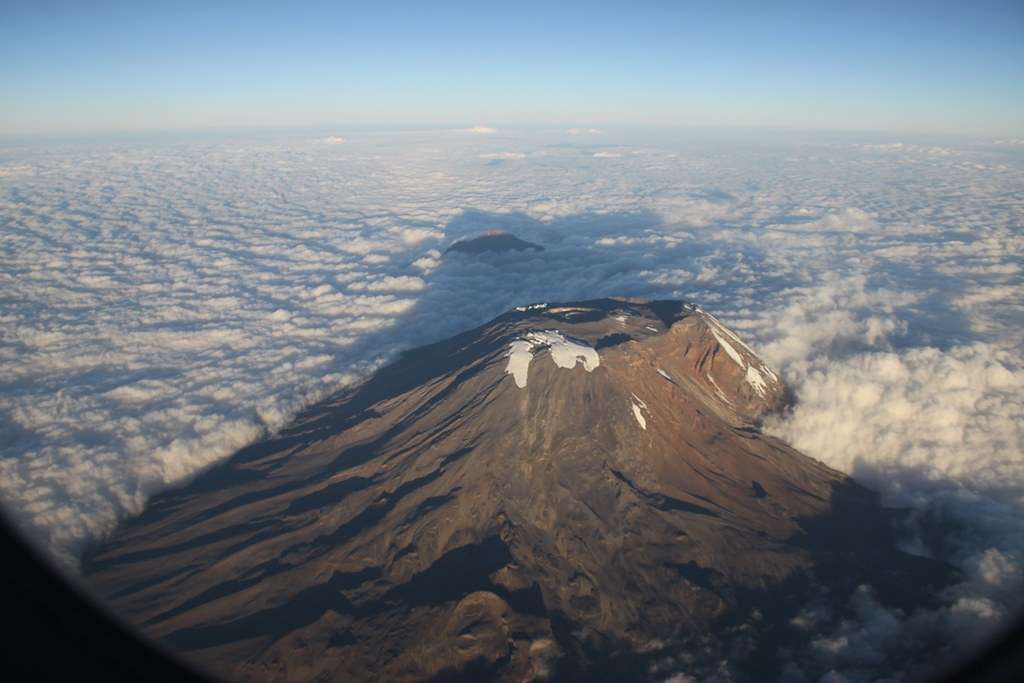
When you picture the quintessential African landscape, you are likely imagining Tanzania. This vast East African nation is a land of dramatic contrasts and breathtaking beauty, a place where endless golden plains teem with wildlife, the snow-capped peak of Mount Kilimanjaro pierces the clouds, and turquoise waters of the Indian Ocean lap against the shores of ancient spice islands. Tanzania is more than just a destination; it's an immersion into the very soul of Africa, offering some of the most profound and diverse travel experiences on the continent. From the thundering herds of the Great Migration in the Serengeti to the quiet intimacy of tracking chimpanzees in the forests of Gombe, Tanzania in Africa stands as a titan of natural wonders.
This guide is your comprehensive portal to unlocking the magic of this incredible country. We will journey through its world-famous safari circuits, relax on its idyllic beaches, and explore its vibrant cultural heart. Whether you're an adrenaline junkie planning to conquer Africa's highest peak, a wildlife enthusiast dreaming of the Big Five, or a history buff ready to get lost in the alleys of a UNESCO World Heritage site, this article will provide the insights you need. We'll cover everything from planning your itinerary and choosing the right safari style to understanding costs and selecting the best destinations for a trip that is as seamless as it is unforgettable.
Unmatched Wildlife: Tanzania is home to the legendary Serengeti National Park and the Ngorongoro Crater, offering some of the most concentrated and spectacular wildlife viewing opportunities on Earth, including the Great Wildebeest Migration.
Iconic Landscapes: The country's diverse geography includes Africa's highest peak (Mount Kilimanjaro), its largest lake (Lake Victoria), and pristine Indian Ocean beaches in the Zanzibar archipelago.
Rich Cultural Heritage: Experience the traditions of over 120 ethnic groups, from the iconic Maasai warriors to the historic Swahili culture of the coast and Stone Town.
Diverse Experiences: A Tanzanian holiday can effortlessly combine a classic wildlife safari with a relaxing beach escape, a challenging mountain trek, or an off-the-beaten-path adventure in the wild southern and western parks.
Commitment to Conservation: Tanzania has dedicated a massive portion of its land to national parks and conservation areas, ensuring the protection of its natural treasures for generations to come.
Flexible Travel Styles: Whether you're on a tight budget or seeking ultimate luxury, Tanzania offers a wide spectrum of safari styles, from basic camping tours to exclusive fly-in lodges.
A Complete Destination: Unlike some of its neighbors, Tanzania provides a complete "bush to beach" experience within one country, simplifying travel logistics and maximizing your adventure.
Why Tanzania Should Be Your Next Travel Destination
In a continent brimming with incredible destinations, Tanzania stands apart. While many countries offer a piece of the African dream, Tanzania delivers the entire epic saga. The decision to travel Tanzania is a choice to immerse yourself in a world of unparalleled scale and diversity. It's home to the Serengeti, an ecosystem so vast and vital it fuels the Great Migration, arguably the most spectacular wildlife show on Earth. It boasts the Ngorongoro Crater, a self-contained Eden where the Big Five roam in breathtaking concentrations. These are not just parks; they are global icons of the natural world.
What truly elevates Tanzania is its profound commitment to preservation. Over a third of the country's land is protected, a testament to a national ethos that values wildlife conservation. This dedication ensures that the wilderness remains wild, offering visitors an authentic and untamed experience. Beyond the wildlife, the country's natural beauty is staggering. From the baobab-studded landscapes of Tarangire National Park to the shimmering shores of Lake Tanganyika, the continent's deepest lake, the scenery is as much a headline act as the animals that inhabit it.
This natural grandeur is matched by a rich and accessible cultural tapestry. Tanzania is a peaceful mosaic of over 120 distinct ethnic groups. You can witness the timeless traditions of the Maasai people, whose red-robed figures are a symbol of the northern plains, or explore the Swahili heritage along the coast, a historical blend of African, Arab, and European influences. The warmth and friendliness of the Tanzanian people add a deeply human element to the adventure, making you feel welcome in their homeland. Choosing Tanzania is choosing an adventure that is as diverse as it is deep, offering a perfect blend of wildlife, landscape, and culture that few other destinations can match.
Planning Your Dream Tanzanian Safari and Trip
Embarking on one of the many Tanzania tours and safaris is the beginning of a life-changing adventure, but careful planning is the key to a flawless experience. The first step is to consider the best time to visit, which largely depends on your primary interests. For general wildlife viewing, the dry season from June to October is ideal, as animals congregate around water sources, making them easier to spot. However, if you wish to witness the dramatic river crossings of the Great Migration in the Serengeti, you'll want to aim for June and July. For bird enthusiasts, the wet season from November to April offers lush landscapes and a plethora of migratory birds.
Next, you'll need to handle the logistics. Most nationalities require a visa to enter Tanzania, which can often be obtained online through the e-visa portal in advance to streamline your arrival. Health precautions are paramount; consult your doctor about necessary vaccinations, such as Yellow Fever (required if arriving from an endemic country), and recommended anti-malaria medication. When packing, think layers. Early morning game drives can be chilly, while midday can be hot. Neutral-colored clothing (khaki, tan, olive) is best for not disturbing wildlife. Don't forget essentials like a wide-brimmed hat, sunscreen, insect repellent, and, of course, a quality camera with extra batteries and memory cards.
Choosing a reputable tour operator is perhaps the most critical decision in your planning process. Look for companies with excellent, verifiable reviews and those that are members of the Tanzania Association of Tour Operators (TATO). A good operator will not only handle your accommodations and transportation but will also provide knowledgeable guides who can transform a great trip into an extraordinary one. A typical Northern Circuit safari itinerary lasts between 7 and 10 days, which allows enough time to explore several parks without feeling rushed. For those wanting to add a Zanzibar beach holiday or a Kilimanjaro climb, a two-week trip is a more realistic timeframe.
Choosing Your Safari Style: Budget to Luxury Experiences
Budget Safari Tanzania: Traveling on a budget doesn't mean you have to miss out on the magic. A budget safari in Tanzania typically involves joining a group tour, which lowers the per-person cost of the vehicle and guide. Accommodation often consists of public campsites where you sleep in tents under the stars—an incredibly immersive experience. While amenities are basic, the sense of adventure is unparalleled. These tours offer a fantastic way to meet fellow travelers and experience the parks in a more rustic, down-to-earth manner.
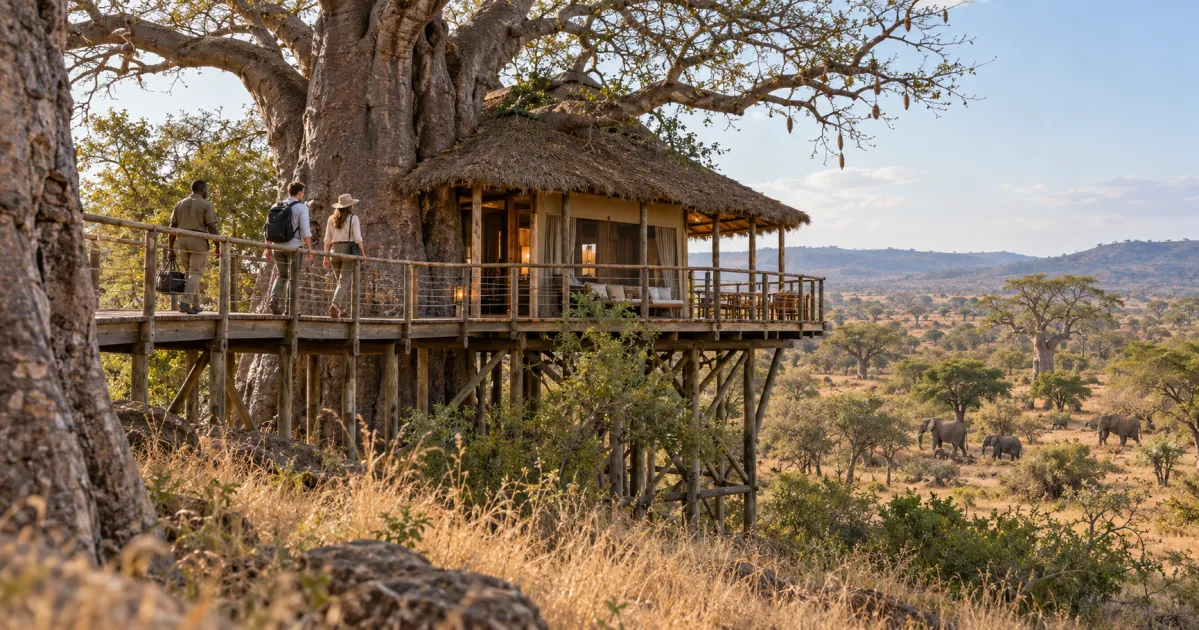
Best Luxury Safari Tanzania: At the other end of the spectrum, the best luxury safari Tanzania has to offer is an experience in ultimate comfort and exclusivity. This often includes private 4x4 vehicles with expert guides, fly-in transfers between parks to maximize your time on the ground, and stays in exquisite lodges or high-end tented camps. These properties feature amenities like private plunge pools, gourmet dining, and spa services, all set against the stunning backdrop of the African bush. A luxury safari provides a highly personalized and seamless journey with unparalleled service and privacy.
The choice between these styles comes down to personal preference and priorities. Budget safaris are perfect for adventurous travelers who prioritize the wildlife experience over creature comforts and enjoy a social atmosphere. Luxury safaris are ideal for those seeking privacy, comfort, and a highly tailored experience, perfect for honeymoons or special occasions. There is also a vast middle ground of mid-range options that blend comfortable lodging with excellent guiding, offering a fantastic balance of value and comfort.
Safari Accommodation Options: Hotels and Camps
Safari Hotels Tanzania: A wide range of safari hotels in Tanzania caters to various budgets and tastes. These are typically larger, permanent structures offering amenities you'd expect from a traditional hotel, such as swimming pools, multiple dining options, and Wi-Fi. Many are located in towns on the outskirts of the parks, like Arusha or Karatu, serving as convenient bases for starting or ending a safari. Others are larger lodges situated inside the national parks, providing comfort and easy access to game drives. Hotels are a great option for families or travelers who prefer more conventional comforts and a wider array of facilities.
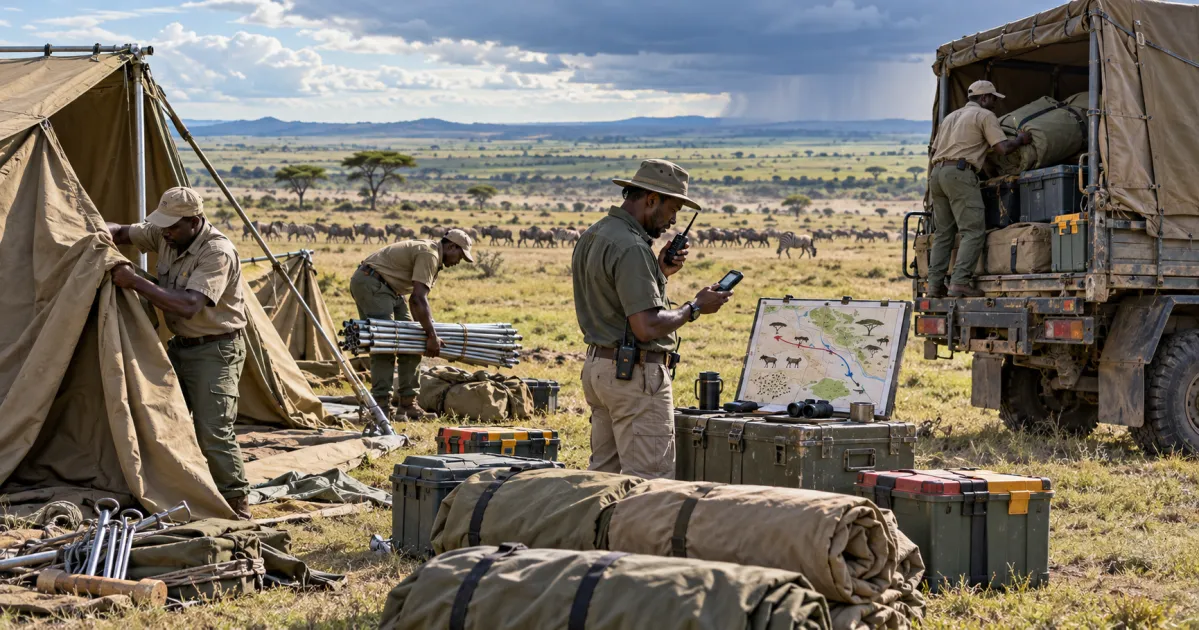
Safari Camps in Tanzania: For a more intimate and authentic bush experience, safari camps in Tanzania are an excellent choice. These are not your average campsites. Tented camps are permanent or semi-permanent structures with canvas walls but feature full-sized beds, en-suite bathrooms with flushing toilets and hot showers, and private verandas. They offer a "glamping" experience that combines the thrill of being close to nature with the comforts of a hotel room. Mobile camps are another fascinating option; these non-permanent camps are designed to move seasonally to follow the Great Migration, placing you right in the heart of the action. Staying in a camp allows you to hear the sounds of the wilderness at night, creating a truly unforgettable connection to the environment.
Exploring Tanzania's Iconic Safari Circuits and Parks
Tanzania's vast wilderness is organized into distinct safari circuits, each offering a unique set of landscapes, wildlife, and experiences. The most famous and accessible is the Tanzania Northern Circuit, a collection of world-renowned parks that form the foundation of most classic safari itineraries. This region is celebrated for its incredible density of wildlife and iconic scenery. Further afield, the Southern and Western circuits offer a wilder, more remote adventure for seasoned travelers or those looking to escape the crowds and immerse themselves in truly untamed nature. Each region presents a different facet of Tanzania's incredible biodiversity.
The Legendary Northern Circuit
The Northern Circuit is the crown jewel of Tanzanian tourism for good reason. It is home to four spectacular and diverse parks, often visited together on a single trip.
Serengeti National Park: The name itself evokes images of endless plains and classic African wildlife. The Serengeti is the heart of the Great Migration, where millions of wildebeest and zebra traverse the landscape in a relentless cycle of survival. It is a stronghold for predators, with abundant lion, leopard, and cheetah populations. The park's sheer size means you can find solitude and diverse habitats, from the southern grasslands to the riverine forests of the north.
Ngorongoro Conservation Area: Centered around the Ngorongoro Crater, the world's largest intact and unfilled volcanic caldera, this UNESCO World Heritage Site is a microcosm of East African wildlife. A descent onto the crater floor reveals an astonishingly high concentration of animals, including the Big Five (lion, leopard, elephant, rhino, and buffalo), living in a relatively small area. The chances of spotting the rare black rhino here are higher than in most other places in Tanzania.
Tarangire National Park: Known as the "Land of Giants," Tarangire is famous for its massive elephant herds that converge on the Tarangire River during the dry season. The landscape is equally iconic, characterized by ancient, giant baobab trees that dwarf the surrounding acacia woodland. It's a park that offers a different visual feel and is also a fantastic birding destination.
Lake Manyara National Park: Though smaller than its neighbors, Lake Manyara packs a punch with its diverse ecosystems. It features a lush groundwater forest, an expansive soda lake often tinged pink with flamingos, and acacia woodlands. The park is famous for its unique tree-climbing lions, though they can be elusive, and it offers a rich variety of birdlife and primate species.
Western and Southern Tanzania Parks
For those seeking a more off-the-beaten-path adventure, the less-traveled parks of the south and west offer raw, wild beauty and a sense of true exploration.
Gombe National Park Tanzania: Tucked away on the shores of Lake Tanganyika, Gombe National Park is synonymous with primate research. This is where Dr. Jane Goodall conducted her groundbreaking studies on chimpanzees. A visit to Tanzania Gombe National Park involves intimate, guided treks through dense forest to observe our closest living relatives in their natural habitat. It's a physically demanding but incredibly rewarding experience, offering a profound connection with nature.
Ruaha National Park: As Tanzania's largest national park, Ruaha is a vast and untamed wilderness that receives far fewer visitors than its northern counterparts. This raw landscape is known for its large prides of lions, significant populations of elephants and wild dogs, and exceptional biodiversity. It offers a safari experience that feels truly remote and adventurous.
Nyerere National Park (formerly Selous Game Reserve): One of the world's largest fauna reserves, Nyerere National Park is distinguished by its primary water feature, the Rufiji River. This allows for unique safari activities like boat safaris, where you can watch crocodiles, hippos, and a myriad of birdlife from the water. The park also offers excellent opportunities for guided walking safaris, providing a different and more intimate perspective on the bush.
Beyond the Safari: Beach Escapes and Mountain Treks
Tanzania's allure extends far beyond its savannas. The country offers a remarkable "bush and beach" combination, allowing travelers to seamlessly transition from the thrill of a wildlife safari to the tranquil bliss of a tropical island. This versatility is one of Tanzania's greatest strengths, providing a holistic travel experience that satisfies both the thirst for adventure and the need for relaxation. Whether you're looking to unwind on powdery white sands or take on the challenge of a lifetime by climbing Africa's highest peak, the options are as spectacular as the safaris themselves.
Zanzibar's Allure: The Spice Island Experience
Just a short flight from the mainland lies the Zanzibar Archipelago, a destination steeped in history and blessed with stunning natural beauty. The main island, Unguja, is what most people refer to as Zanzibar. Its heart is Stone Town, a UNESCO World Heritage site where a labyrinth of narrow alleys reveals a captivating fusion of African, Arab, Indian, and European cultures. You can spend days exploring its ancient architecture, bustling markets, and intricately carved wooden doors.
Beyond the history, Zanzibar is a beach paradise. The northern coast, particularly around Nungwi and Kendwa, is famous for its idyllic beaches and vibrant sunsets, while the eastern coast near Paje is a world-class destination for kitesurfing. A quintessential Zanzibar activity is a spice tour, where you can walk through local farms and learn about the cloves, nutmeg, cinnamon, and vanilla that earned the island its moniker. A holiday here is the perfect complement to a Tanzania safari and beach adventure, offering relaxation, culture, and aquatic activities like snorkeling and diving in its clear, warm waters.
Conquering Africa's Highest Peak: Mount Kilimanjaro
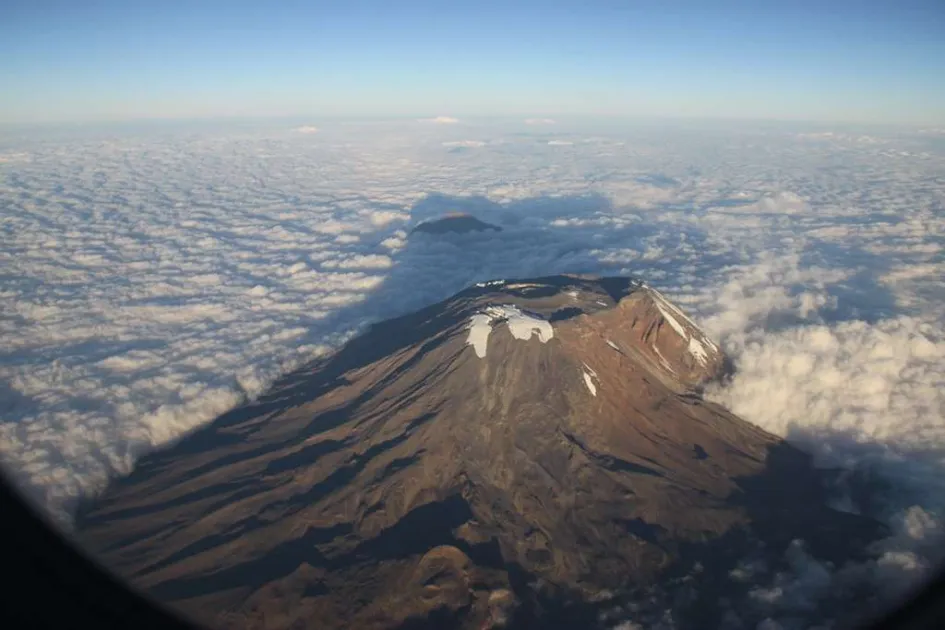
For the ultimate Tanzania hike, nothing compares to the challenge of Mount Kilimanjaro. Standing at 19,341 feet (5,895 meters), this dormant volcano is the highest freestanding mountain in the world and Africa's tallest peak. While it requires no technical climbing skills, trekking Kilimanjaro is a serious undertaking that demands physical fitness and proper acclimatization to the high altitude. Several routes lead to the summit, each with varying scenery, difficulty, and acclimatization profiles. The Machame and Lemosho routes are popular for their scenic beauty and good success rates, while the Marangu route offers the relative comfort of sleeping in huts.
The ascent takes you through five distinct ecological zones, from the lush rainforest at the base, through heath and moorland, to an alpine desert, and finally to the arctic-like conditions of the summit's glaciers. Reaching Uhuru Peak at sunrise is an incredibly emotional and rewarding experience, offering panoramic views across the African plains. A successful summit requires a licensed guide and a support team of porters and cooks, making it a well-organized and supported expedition.
Tanzania vs. Its Neighbors: Kenya and Uganda
When planning an East African adventure, many travelers weigh the options between Tanzania, Kenya, and Uganda. While all three offer incredible wildlife experiences, they have distinct strengths. Tanzania's primary draw is the sheer scale of its wilderness. The Serengeti is larger than Kenya's contiguous Maasai Mara, and attractions like the Ngorongoro Crater and Mount Kilimanjaro are unique to Tanzania. Park fees in Tanzania can be higher, but the experience often feels more expansive and less crowded, especially in the southern and western circuits.
Kenya, the birthplace of the safari, has a highly developed tourism infrastructure. The Maasai Mara offers a different perspective on the Great Migration and is famous for its dense predator populations. Kenya also provides unique cultural interactions with peoples like the Samburu and is home to stunning landscapes like the Great Rift Valley lakes. Safaris in Kenya can sometimes be more affordable and are often easier to combine due to shorter travel distances between parks.
Uganda offers a completely different kind of wildlife focus. It is the premier destination for primate trekking, home to more than half of the world's remaining mountain gorillas in Bwindi Impenetrable National Park and excellent chimpanzee tracking in Kibale Forest. While it has savanna parks like Queen Elizabeth and Murchison Falls, the classic "big game" experience is generally considered more spectacular in Tanzania and Kenya. Combining a trip is possible, especially a Tanzania-Kenya safari that follows the migration ecosystem. Cross-border logistics require careful planning, and travelers should check the latest visa requirements, such as the East African Tourist Visa, which historically has not always included Tanzania.
Understanding Tanzania Safari Costs and Packages
The cost of a Tanzanian safari can vary dramatically, making it essential to understand what influences the price. The primary components of Tanzania safari packages prices are park entrance and conservation fees (which are significant and set by the government), accommodation level, mode of transport (driving safari vs. more expensive fly-in options), and the exclusivity of the tour (private vs. group). The time of year also plays a role, with the peak season (June-October and the Christmas holidays) commanding the highest prices.
A standard package typically includes all accommodation, meals while on safari, park fees, a private or shared 4x4 vehicle with a pop-up roof, and the services of a professional driver-guide. What's often excluded are international flights, visa fees, travel insurance, tips for your guide and lodge staff, drinks, and optional activities like hot-air balloon rides or cultural village visits. When comparing quotes, it's crucial to check the inclusions and exclusions carefully. Briefly, for those interested, Tanzania hunting safari prices are in a separate, highly specialized category, involving significant costs for licenses, permits, and professional hunters, and are subject to strict regulations.
To provide a clearer picture, here are some general price ranges for a typical 7-day safari per person, keeping in mind these can fluctuate based on the specific itinerary and season:
Budget Safari Tanzania: A 7-day budget safari, often involving group travel and camping or basic lodges, can range from approximately $1,750 to $2,900 per person. This style prioritizes the wildlife experience on a more modest budget.
Mid-Range Safari: This is the most popular category, offering a balance of comfort and value with stays in quality lodges and tented camps. A 7-day mid-range safari typically costs between $3,200 and $6,000 per person. This usually includes a private vehicle and guide, providing more flexibility.
Best Luxury Safari Tanzania: For a top-tier experience with stays in exclusive lodges, fly-in transfers, and premium service, a 7-day luxury safari generally starts from $6,500 and can easily exceed $10,000 per person, with ultra-luxury options going much higher.
Choosing the Right Tour Operator and Leveraging Reviews
The single most important decision you'll make when planning your trip is choosing a tour operator. This company will be responsible for your safety, comfort, and the overall quality of your safari experience. Start by researching companies that specialize in Tanzania and have a proven track record. A key indicator of a reputable company is its membership in professional organizations like the Tanzania Association of Tour Operators (TATO). It's also wise to compare local Tanzanian operators with international agencies. Local companies often offer more competitive pricing and deep-rooted knowledge, while international ones might provide a different level of customer service and payment protection.
When you've narrowed down your options, it's time to dive into Tanzania safari reviews. Look for detailed, balanced reviews on trusted third-party platforms. Pay attention to comments about the quality and knowledge of the guides, the condition of the vehicles, the seamlessness of the logistics, and how the company handled any unexpected issues. Don't be swayed by a single glowing or negative review; look for consistent themes across multiple testimonials. This process helps you build a picture of the company's reliability and service quality.
Before booking, don't hesitate to ask probing questions. Inquire about the guide's experience, the type of vehicle used, the specific lodges or camps included in the itinerary (and their alternatives), and the company's policies on safety and emergencies. For those particularly interested in ethical animal encounters, seek out operators like Wildlife Oasis Tours Tanzania that emphasize responsible tourism. A good operator will be transparent, responsive, and happy to provide all the information you need to feel confident in your choice. They should be more of a partner in planning your dream trip than just a service provider.
Essential Travel Tips for a Smooth Tanzanian Journey
A little preparation goes a long way in ensuring your Tanzanian adventure is both safe and enjoyable. On the health front, consult your doctor 4-6 weeks before your trip regarding recommended vaccinations and anti-malaria medication. It's advisable to drink only bottled or purified water and to be cautious with street food. Pack a small first-aid kit with essentials like pain relievers, antiseptic wipes, and any personal medications.
Tanzania is a welcoming country, and respecting local customs will enrich your interactions. Dress modestly, especially in Zanzibar's Stone Town and in rural villages; women should cover their shoulders and knees. Always ask for permission before taking someone's photograph. Learning a few basic Swahili phrases will be greatly appreciated. "Jambo" (Hello), "Asante" (Thank you), and "Karibu" (Welcome) are great places to start.
The official currency is the Tanzanian Shilling (TZS), but US Dollars are widely accepted, particularly for tourist activities, park fees, and at lodges. It's best to bring newer US bills (printed after 2009) as older ones may not be accepted. ATMs are available in major towns, but it's wise to carry some cash. Tipping is customary and a significant part of the income for guides and lodge staff. A general guideline is to tip your safari guide $10-$15 per person per day. Staying connected is possible, as mobile networks and Wi-Fi are available in most lodges and urban areas, though the speed and reliability can be intermittent in remote parks.
Frequently Asked Questions About Traveling to Tanzania
Is Tanzania safe for tourists?
Yes, Tanzania is generally considered a safe country for tourists. The tourism industry is a vital part of the economy, and the country is welcoming to visitors. As with any travel, it's important to take standard precautions: be aware of your surroundings, secure your valuables, and follow the advice of your local guides, especially concerning wildlife.What currency is used in Tanzania?
The official currency is the Tanzanian Shilling (TZS). However, US Dollars are widely accepted in the tourism sector for hotels, safaris, and park fees. It's recommended to carry a mix of both currencies. Credit cards are accepted at larger hotels and lodges but may incur a surcharge.Do I need a visa for Tanzania?
Most nationalities require a visa for entry into Tanzania. Many travelers can obtain a visa on arrival, but it is highly recommended to apply for an e-visa online in advance to save time and potential hassle at the airport. Always check the latest requirements for your specific nationality before you travel.What vaccinations are required for Tanzania?
A Yellow Fever vaccination certificate is required if you are traveling from a country with a risk of Yellow Fever transmission. Other recommended vaccinations include Hepatitis A, Tetanus, and Typhoid. It is also advised to take anti-malaria medication. Consult your doctor well in advance of your trip for personalized medical advice.Can I drink tap water in Tanzania?
It is not recommended to drink tap water in Tanzania. To stay safe, drink only bottled, boiled, or purified water. Most hotels and safari operators will provide safe drinking water.What is the best time of year to visit Tanzania?
The best time to visit depends on your interests. The dry season (June to October) is peak season for wildlife viewing. The Great Migration river crossings in the Serengeti typically occur in June and July. The "green season" (November to March) is excellent for birdwatching and seeing newborn animals, and often has lower prices.What should I pack for a safari?
Pack lightweight clothing in neutral colors (khaki, tan, green). Include long-sleeved shirts and trousers for sun and insect protection. Bring a warm fleece or jacket for cool mornings and evenings. Essential items include a wide-brimmed hat, sunglasses, sunscreen, insect repellent, comfortable walking shoes, a camera, and binoculars.
Ready to experience this?
Explore Related Safaris
Destinations Mentioned

Founder of Explola and a passionate advocate for authentic African travel. He writes about safari destinations, conservation, and connecting travelers with trusted local operators across Africa.
Get Safari Tips & Destination Guides
Join our newsletter for exclusive travel tips, wildlife insights, and safari planning advice.