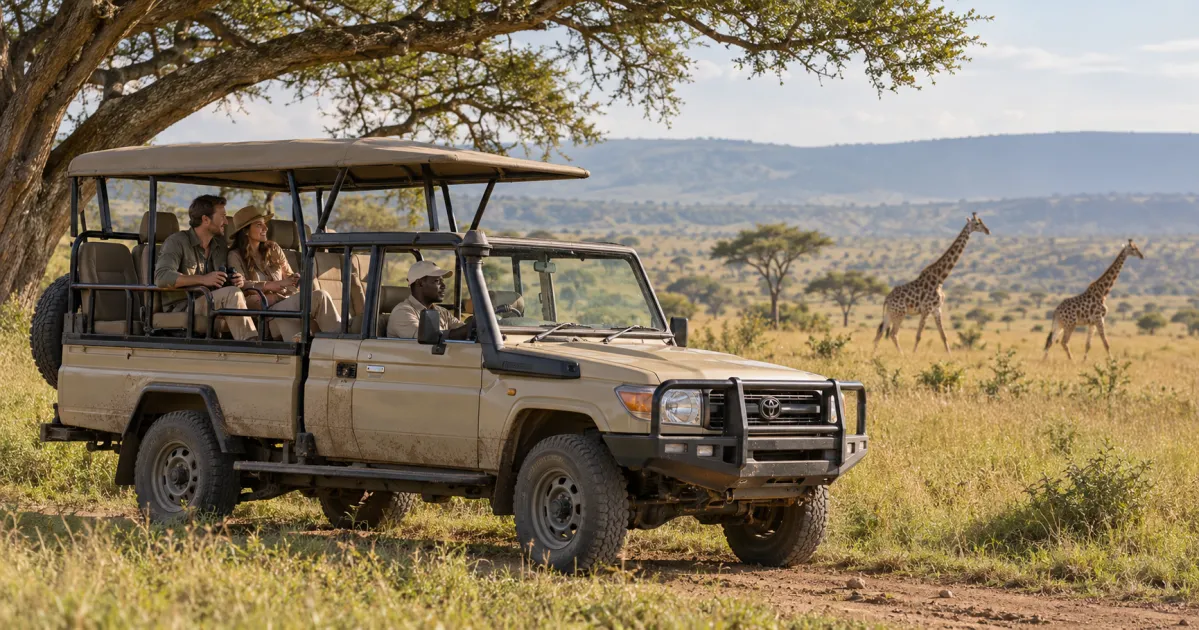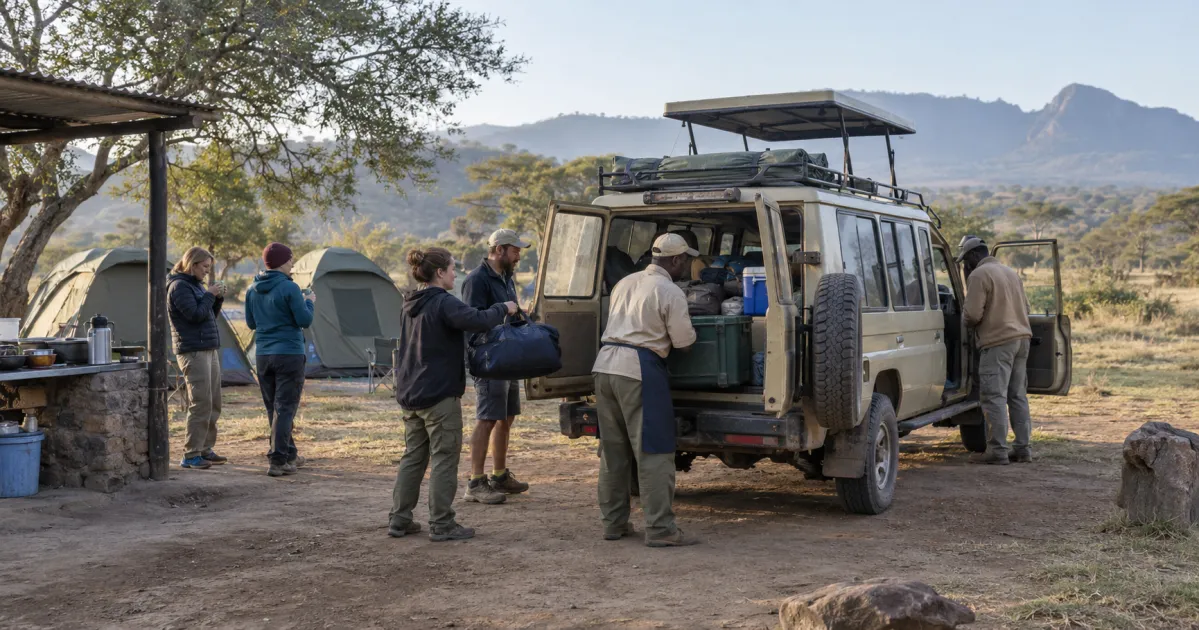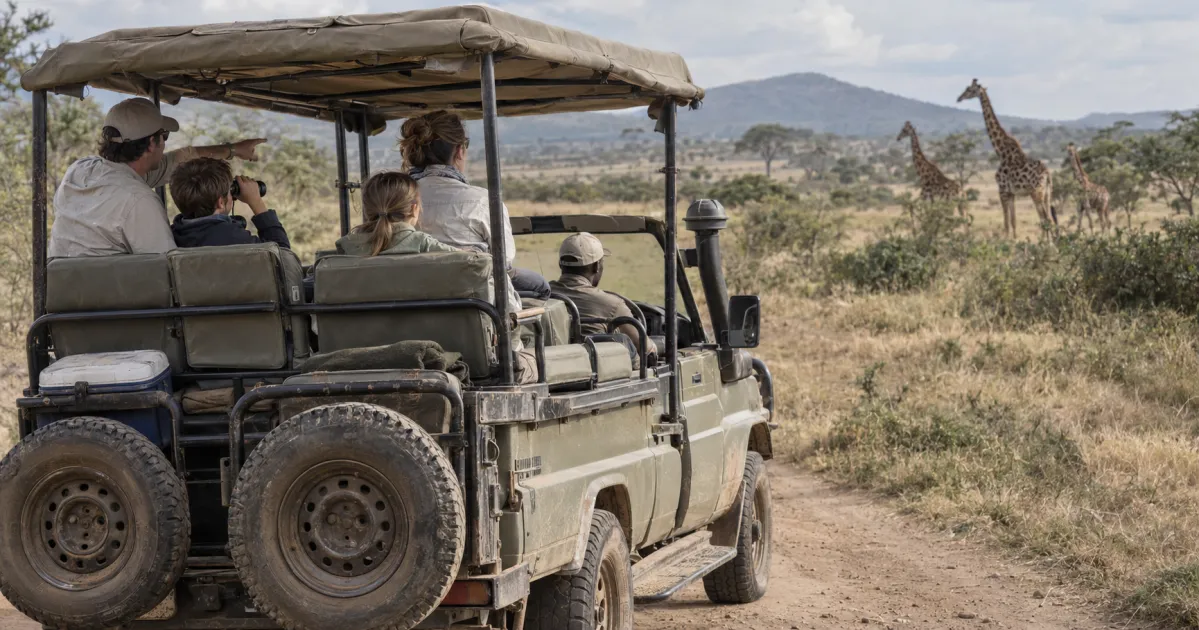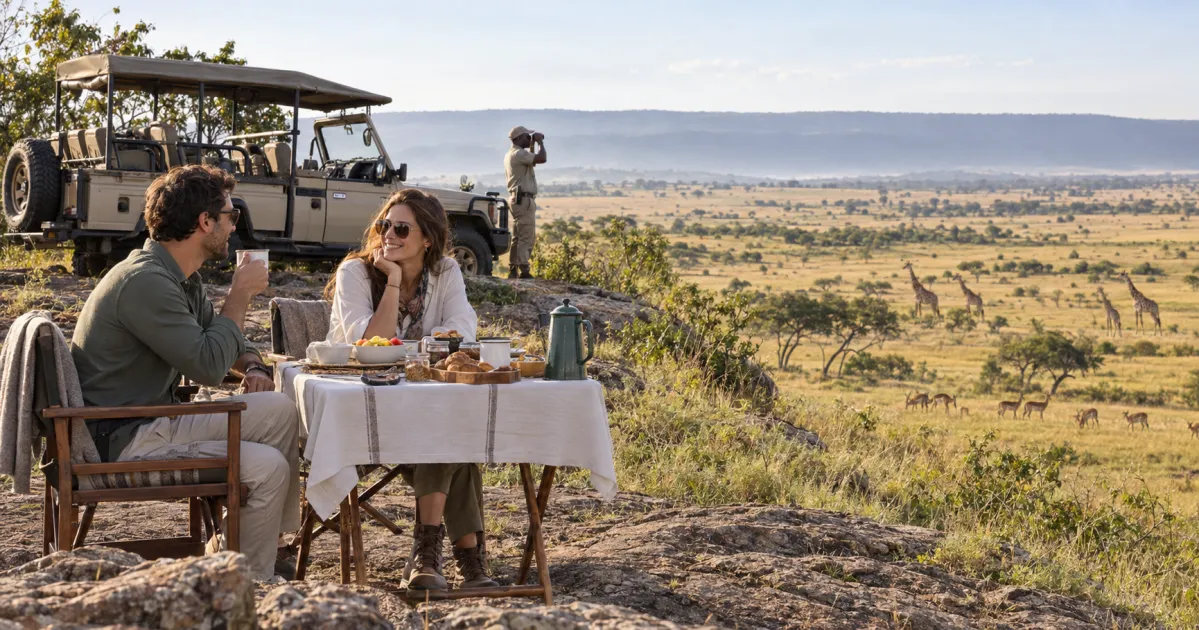
You're probably comparing camps, beach add-ons, and dates in a dozen tabs, then wondering whether you're planning a dream honeymoon or a logistics exercise. That's normal. Kenya honeymoon safaris reward couples who make a few smart decisions early and ignore the glossy generic advice that tries to sell every itinerary as the same seven-night loop.
Why Kenya Remains the Ultimate Honeymoon Destination
A couple can spend their first morning in Nairobi, fly into the Mara for private game drives, and finish on the coast with sand, warm water, and no further camp transfers. Kenya supports that sequence better than many safari destinations because its parks, conservancies, camps, airports, and coastal resorts connect into a workable travel system.
That flexibility gives you two strong honeymoon choices. A safari-only trip suits couples who want wildlife, quiet camps, and several unhurried days in the bush. A safari-plus-beach itinerary adds a clear romantic finish, but it also adds a flight, another check-in, and more room for delays. For couples with limited annual leave, the rising mini-moon approach can be smarter: choose a shorter private safari, prioritise the Mara or a conservancy, and avoid forcing a full coast extension into an already tight schedule.
Kenya's scale supports both formats. The country recorded 2.4 million international arrivals in 2024, up 14.6% from 2.0 million in 2023, while tourism earnings reached KSh 452 billion. With 67% of international arrivals entering through Jomo Kenyatta International Airport, Nairobi provides a practical gateway for couples combining the Mara with the coast (Kenya tourism and arrival data). That airport concentration matters when your itinerary includes multiple flights and expensive camp bookings.
Why maturity beats novelty for couples
Kenya has more than a 100-year history of wildlife safaris, and that experience shows in its guide network, camp operations, air routes, and reserve management. Couples are choosing a destination with established systems rather than testing whether an underdeveloped safari market can deliver a polished honeymoon (Kenya honeymoon safari overview).
The 2025 figures reinforce that depth. Kenya recorded 2,652,540 international arrivals and KSh 501.34 billion in inbound tourism earnings, up 7.2% from the revised 2024 total of 2,474,551. National parks and game reserves received 3.9 million visitors, showing that wildlife travel sits at the centre of the tourism economy. For honeymooners, the practical benefit is choice: private conservancies for exclusivity, established lodges for comfort, and enough operator capacity to compare safari-only and beach-linked plans.
Practical rule: choose the destination with the deepest operator bench, not the prettiest brochure. Honeymoons need reliable logistics, especially when every transfer affects the budget and the experience.
Choosing the Best Season for Romance and Wildlife
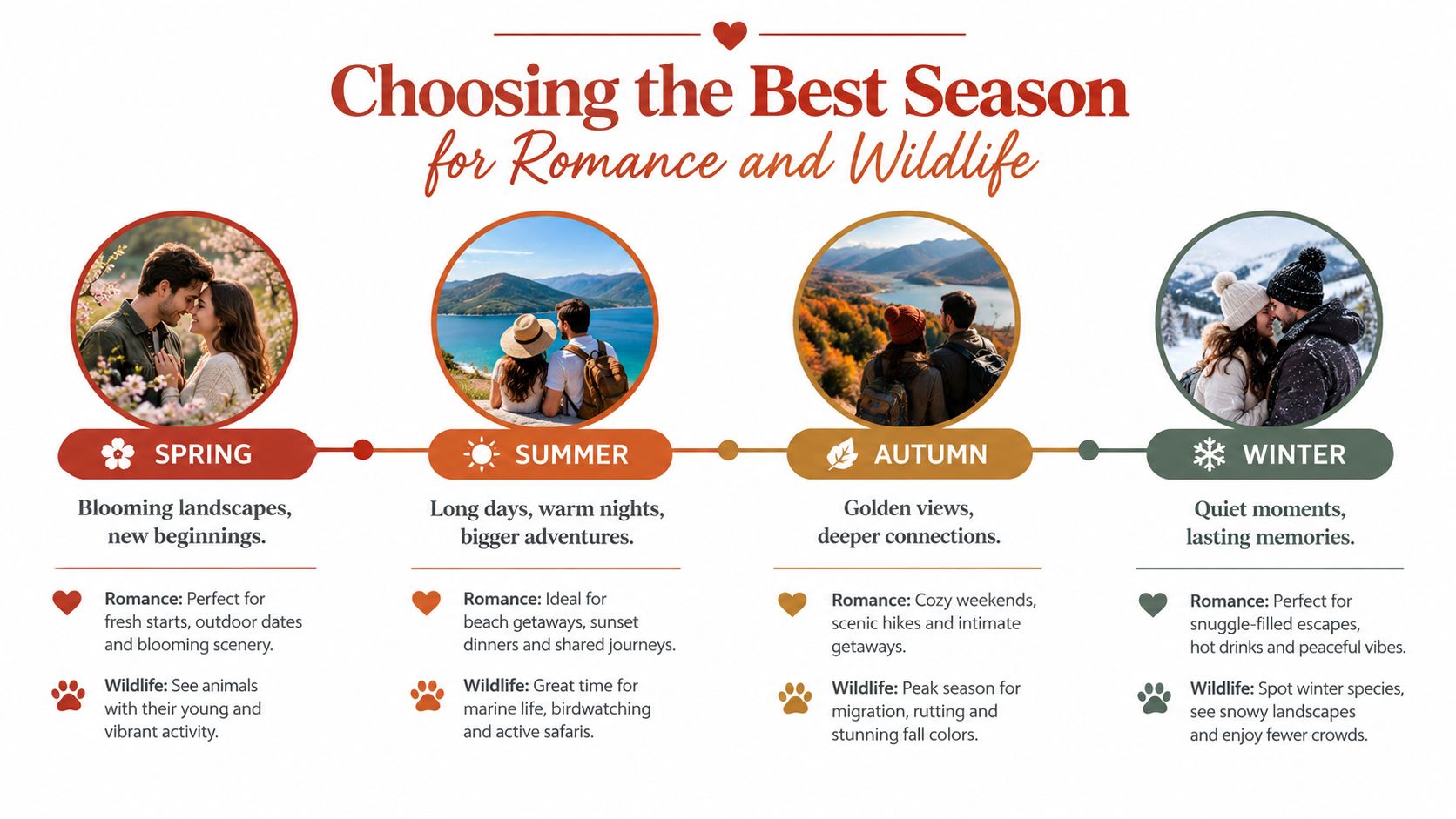
For honeymoons, choose your month before you choose your camp. June to October maximizes wildlife sightings, while January and February usually offer more privacy and lower rates. Your dates also determine whether a safari-only trip feels relaxed or whether adding the coast creates too many expensive transfers.
June to October delivers the clearest wildlife conditions
Kenya's June to October dry season is the strongest technical choice for game viewing. Lower rainfall concentrates animals near permanent water, while thinner vegetation improves visibility. In the Mara, July to October is the core period for the dramatic wildlife action many couples associate with a Kenya honeymoon.
The trade-off is demand. Camps fill earlier, private vehicles become harder to secure, and sought-after guides and flight connections may already be committed. Book well ahead if you want a particular camp, an exclusive vehicle, or a route that links several parks without wasting honeymoon time on awkward transfers.
Peak season suits couples who put wildlife theatre first and accept higher demand. A private conservancy can make the experience feel more exclusive, but it does not remove the need to reserve early.
January and February favour privacy
January to February is the better call when romance, quiet roads, and value matter more than chasing the most famous migration scenes. Wildlife viewing remains strong, and fewer visitors can make a major difference to the pace of game drives. For newlyweds who want time alone, that privacy is part of the experience, not an optional upgrade.
The Great Migration follows rainfall rather than a fixed calendar. The Mara remains relevant outside its headline months, so couples should choose the season that matches their priorities instead of forcing the entire trip around one possible crossing.
Use this filter: choose July to October for maximum wildlife drama. Choose January and February for strong game viewing, more breathing room, and a calmer honeymoon.
A park-by-park comparison of the best time to go by park and goal helps match dates to the experience you want.
Decide whether the safari stands alone
A safari-only honeymoon gives you more nights in the bush and fewer transfers. Adding the Kenyan coast brings beach recovery time, but it also adds flights, coordination, and another major booking to the budget. The rising mini-moon trend makes a shorter, private-conservancy safari a sensible alternative for couples with limited leave or a tighter budget.
Do not choose a cheap camp just because it has space. A poor location can create long drives, missed connections, and less time watching wildlife. Book the season you want, then have a reputable operator build the route around confirmed camp availability and practical flight schedules.
Top Parks and Private Conservancies for Couples
The biggest mistake couples make is treating all safari areas as interchangeable. They're not. Public reserves deliver the classic wildlife headline, but private conservancies are where you buy privacy, flexibility, and a more intimate feel. If romance matters, that distinction matters more than another “top ten” list of the same places.
Public reserves are iconic, private conservancies are personal
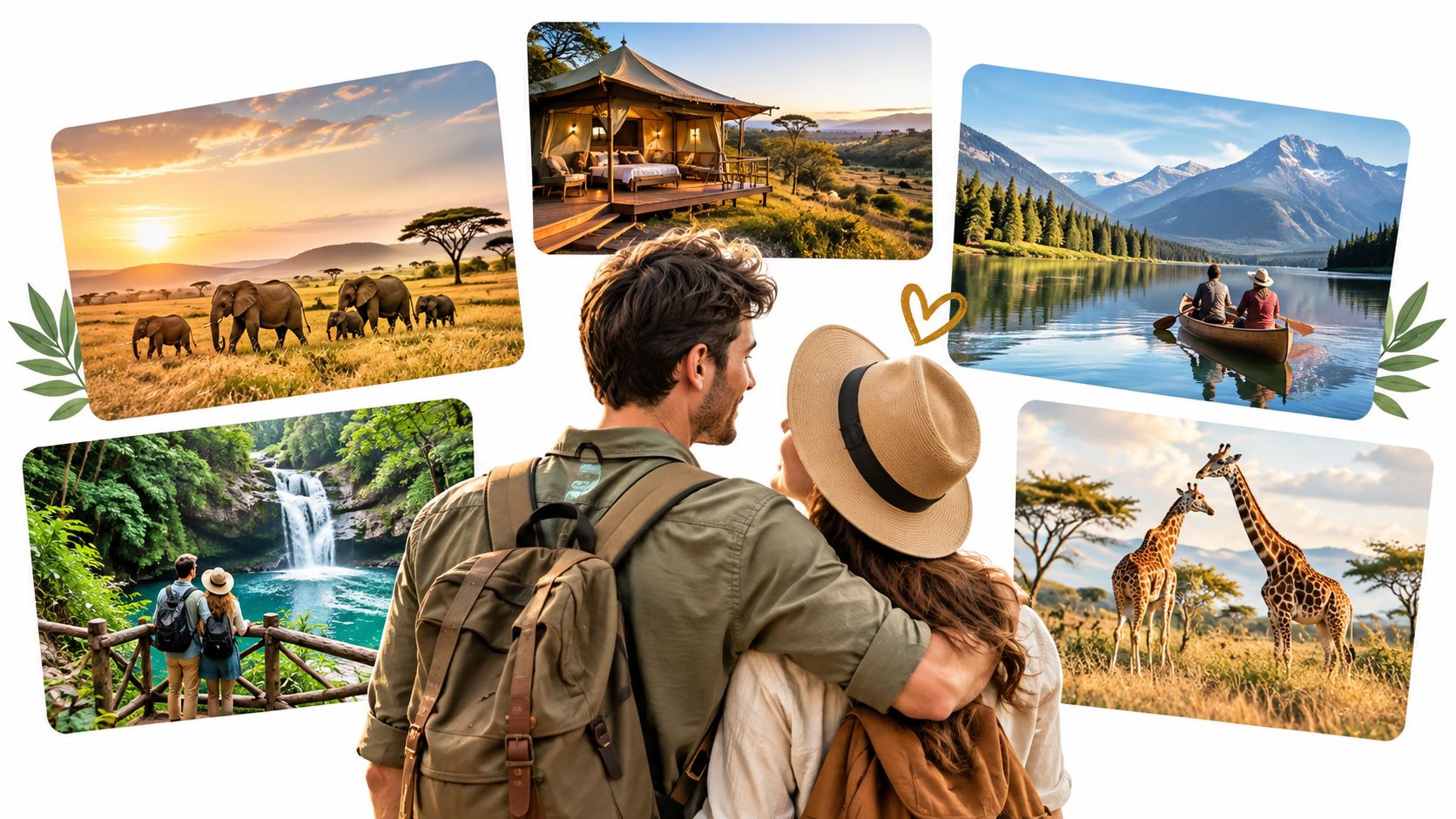
The Masai Mara National Reserve gives you the classic Kenya safari experience, but it can also bring higher vehicle density and stricter driving rules. That's fine if your main goal is to see the famous scenery and seasonal wildlife action. It's less fine if your goal is a quiet honeymoon with space to breathe (Masai Mara National Reserve guide).
Private conservancies bordering major reserves often change the experience materially. They can allow off-road driving, night drives, and walking safaris where permitted, and they usually have lower vehicle density than the core reserve area. That is where the honeymoon advantage shows up most clearly. You get more flexibility, better photography conditions, and a calmer atmosphere.
Choose by the kind of intimacy you want
If you want full-on wildlife theatre, the Mara is still essential. If you want a more exclusive rhythm, pair a conservancy stay with only one iconic reserve rather than trying to tick every famous park. Kenya's safari circuit works well with short domestic flights, so you don't need to spend half your honeymoon in transit. Use that advantage.
A useful packing detail gets overlooked here. Couples often focus on clothing and forget the sleep setup for bush stays, especially on mobile-style or adventure-leaning itineraries. A practical planning resource like the 2026 couples sleeping bag guide is worth checking if your operator suggests a more flexible overnight format.
Build the route around logistics, not ego
Kenya beats many safari destinations. The routing is manageable, the guiding culture is established, and the high-end lodge network is deep enough to support multi-stop itineraries without turning the trip into a grind. If you keep transfers short and properties selective, the honeymoon feels expansive instead of tiring.
Crafting the Perfect Honeymoon Itinerary
You have a week, a fixed budget, and two competing ideas of romance. One of you wants every morning in the bush. The other wants wildlife followed by a few quiet days on the coast. Settle that question before choosing camps, because the route determines how much time you spend enjoying Kenya rather than changing rooms and catching flights.
Safari-only gives you the clearest experience
A safari-only honeymoon suits couples with limited leave or a strong wildlife priority. It cuts transfers, packing changes, and domestic connections, leaving more time for game drives, slow mornings, and the camp itself. Base the trip in one reserve or combine the Mara with a private conservancy if exclusivity and a quieter operating rhythm matter more than collecting several park names.
The growing mini-moon pattern supports this approach. One industry trend report says 59% of couples now take a short honeymoon first, while safari honeymoon bookings also rose sharply during the same period. The same reporting places couples at 46% of safari bookings and says 89% of honeymoon safaris include a beach extension. Those figures show that short, concentrated trips and safari-plus-beach journeys are both established choices. They do not make either option automatically right for you.
A short safari can feel more luxurious than a longer route packed with logistics. Spend the available time in fewer locations, choose a private conservancy when the budget allows, and avoid sacrificing wildlife time to an ambitious itinerary.
Add the beach only when it improves the trip
The coast earns its place when you want a clear change of pace after early starts and repeated game drives. It gives you recovery time and variety, but it also adds flights, hotel changes, and another transfer day. Treat it as a deliberate second chapter, not an automatic reward for completing the safari.
The beach extension also changes the budget structure. It adds accommodation, transport, and extra days, so the total cost rises materially compared with staying safari-only. If the coast is the priority, shorten the safari rather than cramming both experiences into a rushed schedule. If wildlife matters more, keep the full safari and save the beach for a separate trip.
Choose the framework that matches your travel style
Honeymoon itinerary framework | Duration | Pace and focus | Best for |
|---|---|---|---|
Safari-only escape | Short to medium | Strong wildlife focus, fewer transfers, more time in camp | Couples who want a focused, simpler trip |
Safari plus beach | Medium | Intense bush experience followed by coastal recovery | Couples who want variety and decompression |
Mini-moon safari | Short | Concentrated wildlife with minimal movement | Couples with limited leave or another trip planned later |
Classic Mara and coast | Medium | Familiar balance that can feel busy when overfilled | Couples who want the established Kenya format |
Leave space in the calendar
Three safari areas, a coastal stop, and a city night may look efficient on paper. In practice, each addition reduces time in camp and increases the chance of travel fatigue. Select fewer places, stay longer in each, and spend on the features that shape your preferred experience, whether that means a private conservancy, better guiding, or extra nights in the bush. Detailed nightly price tiers belong in the budgeting section.
Romantic Add-Ons and Exclusive Bush Experiences
A standard game drive is the base layer. A honeymoon becomes memorable when the operator builds moments around it that feel private and deliberate. Kenya is strong here because the safari infrastructure already supports low-friction customization. You just need to ask early and be specific.
Use the day's rhythm to your advantage
The best romantic touches work with the safari schedule, not against it. A private sundowner, a bush breakfast, or dinner under the stars becomes better when it sits naturally between game drives. That's why good planning matters. The camp team needs time to set it up, and the guide needs to know what kind of pace you want.
Night drives, walking safaris where permitted, and off-road access in private conservancies can all add texture to the trip. They're not mandatory, and they're not equally useful for every couple. If you're the sort who wants constant motion, add them. If you'd rather keep the itinerary elegant and calm, focus on one or two experiences and leave room for rest.
Practical rule: one exceptional shared moment beats three average “romantic” extras.
Tell the operator it's a honeymoon early
This sounds obvious, but couples often mention the occasion too late. Do it at the quoting stage. That gives the operator time to assign the right room, shape the meal timing, and suggest the right mix of activities. The difference between a standard safari and a honeymoon safari is often in the details, not the brochure language.
That's also why private conservancy stays matter. They're easier to shape around a couple's preferred rhythm, and they usually feel less formal than high-traffic reserve camps. If you want intimacy, ask for it directly instead of hoping the property reads your mind.
Don't let novelty replace quality
A balloon flight over the Mara at dawn sounds romantic, and it can be. But the same is true of a quiet veranda, a private dinner, and an excellent guide who knows when to linger and when to move on. Too many couples spend on spectacle and skimp on the basics. That's backwards. Great guiding, good food, and a calm camp environment will shape your memory more than a single headline activity.
Budgeting and Booking Your Safari
Safari pricing feels opaque because operators bundle different services in different ways. Compare the structure of each quote before comparing the totals. Separate the costs that shape your experience from decorative upgrades that add little value.
Know where the money really goes
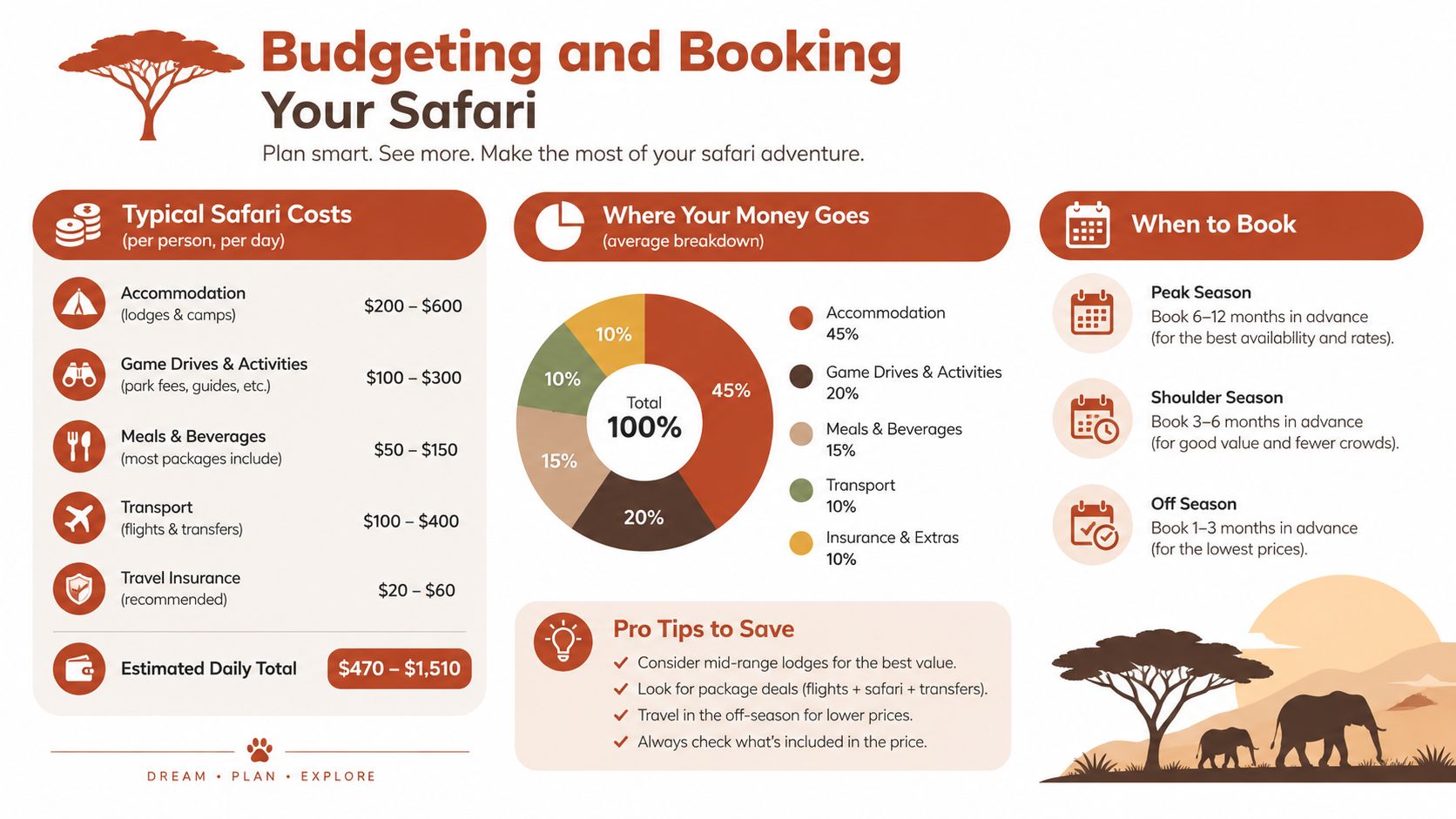
Lodge category, season, location, and privacy drive the daily rate. The broad US$500 to US$2,500+ per person per night range reflects those differences, including camp quality, conservancy access, and demand. Do not spread your budget evenly across every night.
At the lower end of that range, expect a comfortable camp and a shared vehicle in many itineraries. Higher spending can secure a private vehicle, a more secluded camp, and the freedom to set your own daily rhythm. Put the largest share of the budget into the core safari nights, where guiding and wildlife access matter most.
A safari-only honeymoon suits couples who want wildlife, privacy, and a focused journey. A safari-plus-beach plan works better for couples who want recovery time after early starts and long transfers. The growing mini-moon trend also makes a shorter, sharper safari a sensible choice. Use a private conservancy for the exclusive portion, then add beach nights or a simpler lodge tier without forcing the entire trip into the highest price bracket.
Ask what's included before you compare quotes
Packages vary on meals, game drives, transfers, park or conservancy fees, drinks, flights, and special activities. A low headline price may exclude several of those costs. Ask for a line-by-line breakdown, including taxes and every transfer, before approving the itinerary.
Split the quote into three clear buckets:
Core safari nights: fund these first, since they determine wildlife time, guiding, and privacy.
Transfers and flights: keep the routing efficient so travel does not consume the honeymoon.
Coast or recovery nights: choose a comfortable middle tier when adding beach days. This is the easiest place to control spending without weakening the safari.
Book earlier than you think
Peak season leaves little room for improvisation. A specific camp, private vehicle, or preferred guide may be unavailable if you wait. Reserve the main arrangements early, then refine room placement, meals, and activities with the operator. Early planning matters most when your dates fall in the busiest safari period.
Using Explola to Compare and Book Verified Operators
Once you know your dates, route, and budget, the next problem is operator quality. That's where a marketplace with verified listings helps. Explola centralizes safari discovery, side-by-side comparison, and direct inquiry with verified operators, which is useful when you're trying to compare honeymoon options without drowning in inconsistent quotes.
Use filters before you start messaging
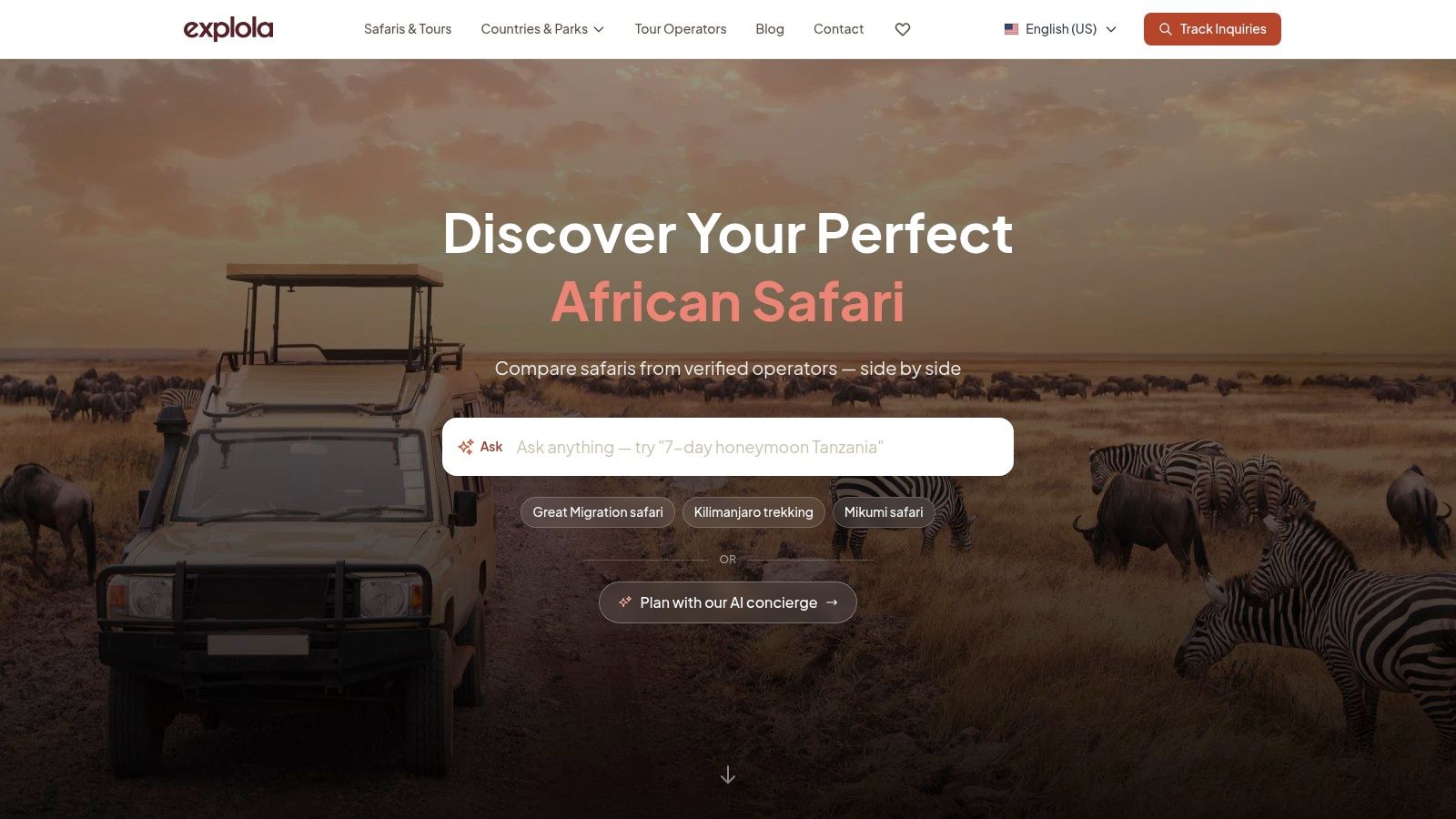
Start with the catalog filters. Sort by country, park, duration, budget, and lodging level so you're not reviewing irrelevant trips. That matters for a honeymoon because the wrong filter set wastes time and muddies the comparison. If you want a safari-plus-beach plan, look for itineraries that already combine those elements instead of trying to bolt them on later.
Then open the detailed tour pages and check the day-by-day structure, inclusions, photos, and starting prices. That's the fastest way to see whether the itinerary is romantic or just labeled that way. A lot of safari products sound similar until you compare the routing.
Compare operators like a buyer, not a dreamer
Side-by-side comparison is where the platform becomes useful. Look at the lodge level, the transfer logic, and how much of the itinerary is on the ground versus in transit. If two tours look similar but one spends less time moving between locations, that's usually the stronger honeymoon choice.
The direct inquiry flow helps too, because you can request personalized quotes from verified operators rather than relying on vague package summaries. Explola says it uses document checks and a visible verified badge for operator profiles, and it lets travelers message operators directly without intermediary fees. That combination is useful if you want clear pricing and fewer communication gaps.
Shortlist, ask, decide
Save the trips that fit, then use the inquiry tracker to monitor responses and quotes in one place. That keeps the planning process from getting scattered across email threads and WhatsApp messages. It also makes it easier to compare a safari-only proposal against a safari-plus-beach option without losing track of the details.
For couples who want to see the operator side of the marketplace directly, the verified tour operators directory is the right place to start. It's a practical route if you're done browsing inspiration and ready to ask for real quotes.
If you want a honeymoon that feels private, well-paced, and properly planned, use Explola to compare verified Kenyan safari operators side by side and build a trip that fits your dates, budget, and style. Don't settle for a generic Mara template when your route, season, and level of exclusivity can be chosen with much more care.
Tags

Daniel writes for the Explola blog, where he covers African safari destinations, wildlife, travel trends, and practical trip planning. His work is centered on making safari travel easier to understand, compare, and plan.
Get Safari Tips & Destination Guides
Join our newsletter for exclusive travel tips, wildlife insights, and safari planning advice.