You've opened a calendar, searched for the best time for a Tanzania safari, and found a dozen different answers. One guide recommends the dry season, another highlights the Great Migration, and a third points to quieter, cheaper months. None of them is necessarily wrong. They're answering different versions of the same question.
The right travel window depends on the experience you want most. Are you looking for the easiest general wildlife viewing, the drama of a river crossing, the intense predator activity of calving season, or a quieter trip with better value? Tanzania's seasonal patterns let you choose deliberately rather than following the busiest months.
Finding Your Perfect Safari Window in Tanzania
Consider two travelers planning the same destination. The first is visiting Tanzania for a classic first safari and wants the clearest roads, concentrated animals, and dependable game drives. The second is a wildlife photographer who cares more about newborn wildebeest and predator behavior than about dry weather. They shouldn't choose the same dates automatically.
The first traveler will usually favor June through October, the long dry season, when thinner vegetation and reduced rainfall make animals easier to detect. The photographer may prefer late January through March, when the southern Serengeti and Ndutu area become important calving grounds. A third traveler, perhaps working with a tighter budget, may look toward November, March, or April, accepting less predictable roads in exchange for fewer visitors and potentially lower prices.
Three meanings of “best”
For safari planning, “best” usually describes one of three jobs:
Classic wildlife viewing: Choose the long dry season, especially June through August, when animals often gather near remaining water and visibility improves. Responsible Travel's Tanzania timing guide identifies this period as the strongest part of the broader June to October dry window.
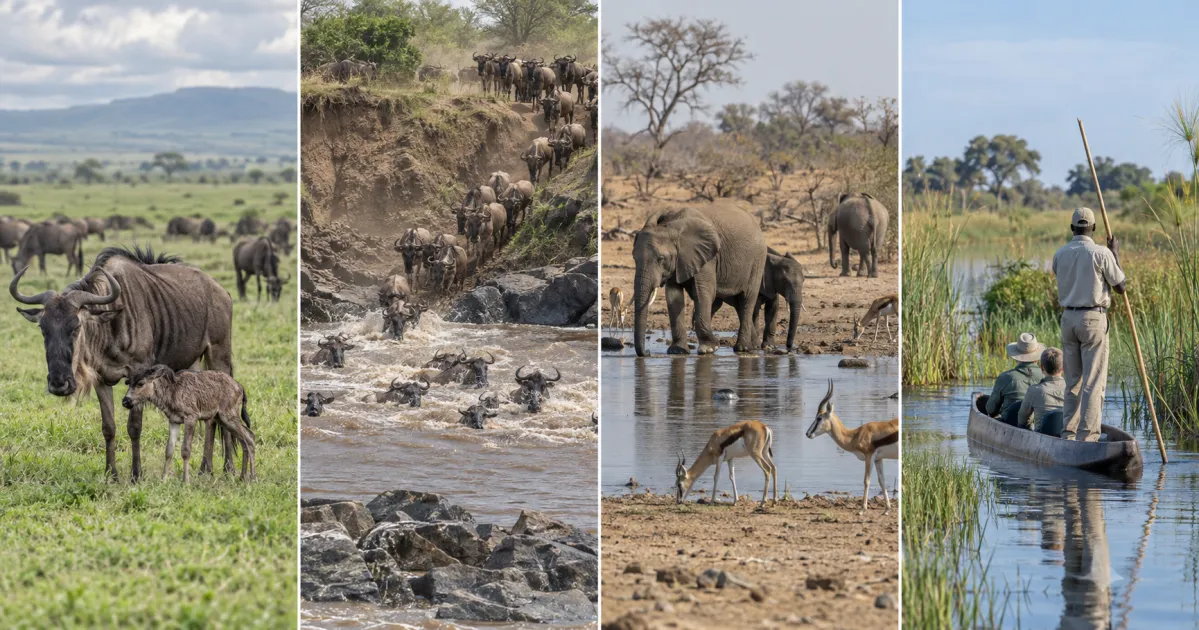
Migration drama: Target the northern Serengeti from late July to October for the most cited Mara River crossing window. Timing remains linked to rainfall, so flexibility matters.
Calving and predator action: Plan for January to March in the southern Serengeti, when synchronized births bring predators close to the herds.
There's also a fourth path that many basic calendars underplay: value and space. Green-season travel can produce lush scenery, productive birding, and a less crowded atmosphere, although some camps may close during the wettest periods.
Planning rule: Pick the wildlife behavior or travel style that matters most, then choose the region and dates that support it.
This guide treats the calendar as a decision tool, not a promise that one month works for every visitor. Weather can shift, migration can move, and no operator can guarantee an exact animal encounter. You can still make a confident choice by matching your priorities to Tanzania's recurring ecological rhythms.
How Tanzania Seasons Shape Your Safari Experience
Tanzania's safari year becomes easier to understand if you think of rainfall as a switch. Rain fills temporary pools, refreshes grass, and spreads animals across a wider area. As the land dries, waterholes act like magnets, drawing wildlife into smaller, more predictable zones.
The long dry season runs roughly from June to October. During these months, vegetation is generally thinner and rainfall is lower, so guides can often see farther through the grass and locate animals around dependable water sources. This doesn't make wildlife disappear in the wet season. It changes how easily you can find it.
The three practical weather patterns
June to October, long dry season: This is the most widely recommended period for reliable classic game drives. Roads are generally easier to use, animals are more concentrated, and open vegetation improves viewing distances.
March to May, long rains: The terrain becomes greener, but heavier rain can make some roads muddy and game drives less predictable. The season can still reward visitors who value scenery, quieter parks, and flexible planning.
Mid-November to mid-December, short rains: Short rains refresh the plains and can create excellent green-season conditions, but showers and softer roads may affect drive timing. Travel remains possible, especially with an experienced operator.
The dry-season advantage is therefore practical rather than magical. A lion standing in shorter grass is easier to spot than one concealed by dense vegetation, and a herd near a known water source is easier to locate than a herd scattered across fresh pasture. These conditions improve the odds of efficient viewing, particularly for first-time visitors who want to cover several parks.
Rainy periods have their own appeal. Fresh grass produces vivid scenery, changing skies can add depth to photographs, and fewer vehicles may make a sighting feel more private. The trade-off is that you'll need a more adaptable attitude toward road conditions and daily plans. For a useful explanation of how rain affects route planning, see this guide to Tanzania's rain season.
Following the Great Migration Through the Year
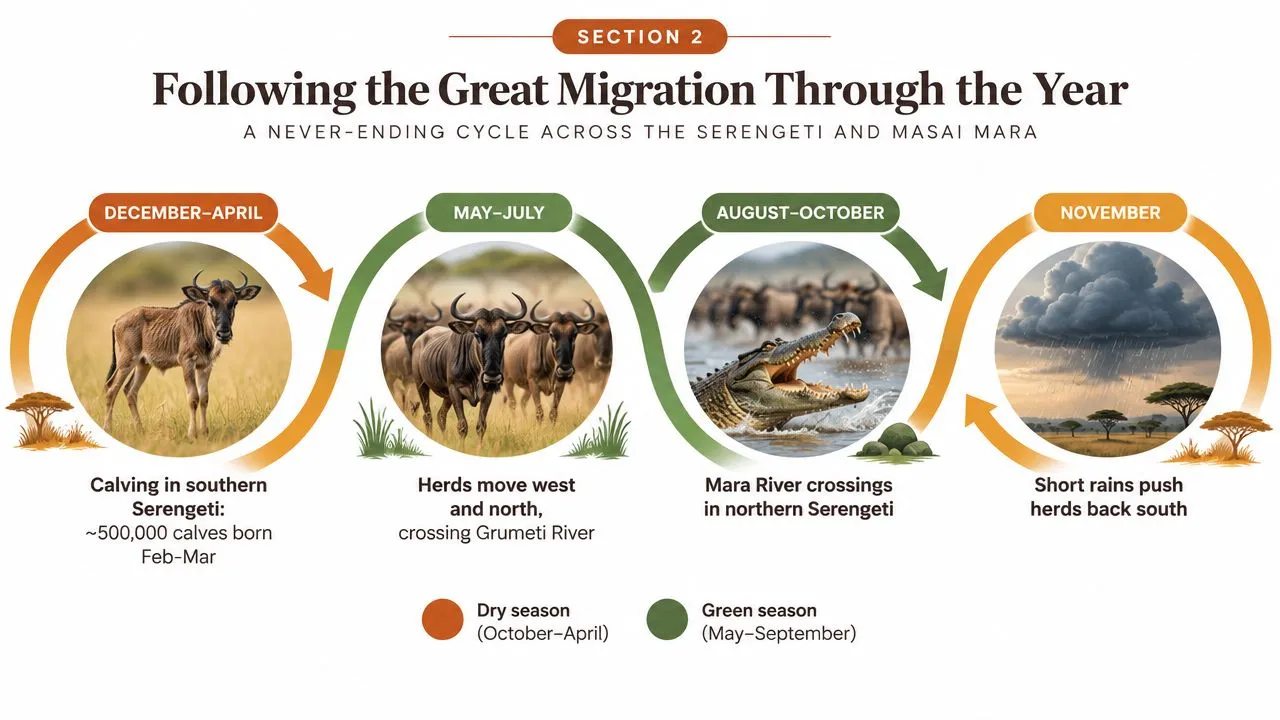
The Great Migration isn't a single event that arrives in Tanzania on one date. It's a year-round loop, with wildebeest following rainfall and fresh grass through the Serengeti ecosystem. The herds' position determines whether your trip emphasizes calving, movement, river crossings, or broad dry-season wildlife viewing.
December to April in the southern Serengeti
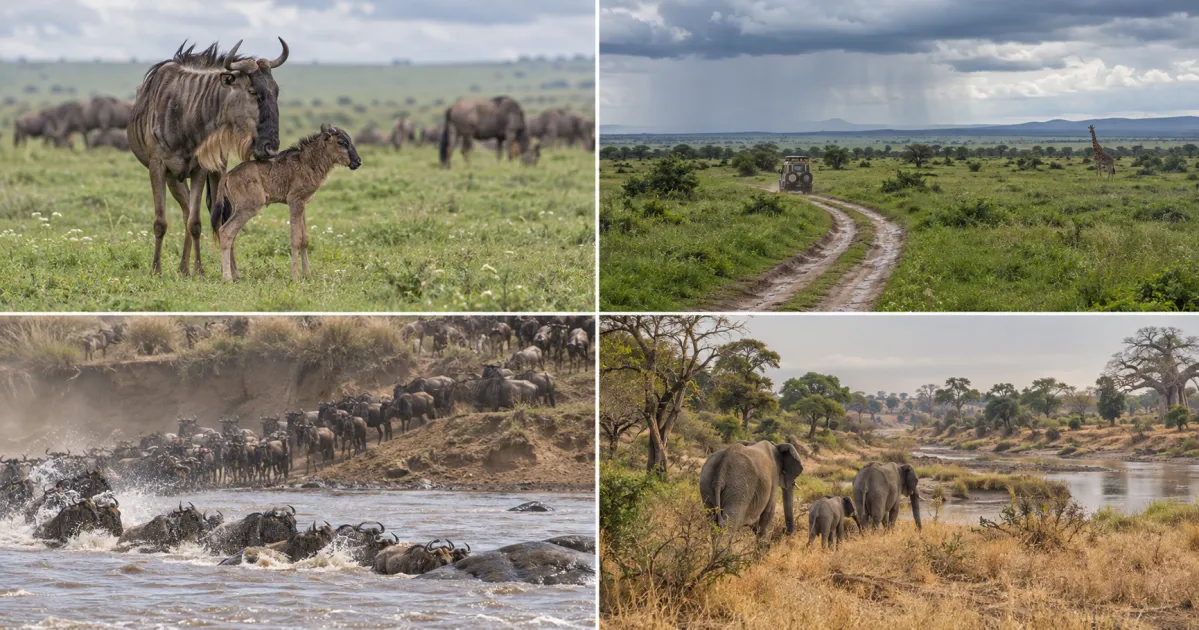
The cycle generally begins for travelers in the southern Serengeti, where herds are typically found from roughly December to April. The most important phase is January to March, the calving season. Hundreds of thousands of wildebeest births occur over a few weeks, creating a dense concentration of young animals and attracting lions, hyenas, and other predators. Serengeti's migration overview describes this as a distinct ecological opportunity rather than another dry-season safari.
Calving-focused travel suits visitors who want behavior and interaction. You may spend less time searching for a single dramatic crossing and more time watching mothers, vulnerable calves, and predators working around the herds. Roads can be less predictable than in the driest months, so the itinerary should give the southern plains enough attention rather than treating them as a quick stop.
May to mid-July through the western corridor
As grass conditions change, herds generally move west and north from about May to mid-July. Western Serengeti routes can offer strong movement-focused viewing, including the possibility of Grumeti River activity around the western corridor. Exact locations depend on rainfall and grass growth, so a fixed calendar can only provide a planning framework.
This phase is useful for travelers who want to follow movement without narrowing the trip entirely to one crossing point. A skilled guide can adjust daily routes according to recent conditions, which is one reason direct conversations about migration goals matter before booking.
Late July to early November in the north
From late July to early November, herds are typically concentrated in the northern Serengeti before returning south. The most cited window for dramatic Mara River crossings is late July to October, particularly in the northern Serengeti. Crossings are unpredictable by nature. Herds may gather at a bank, wait, split, or move elsewhere, so a crossing-focused itinerary needs patience and regional flexibility.
Timing can shift by 2 to 4 weeks depending on rainfall in prior months, as explained by Rough Guides' Tanzania seasonal guidance. That variability is important: booking August because it appears on a calendar doesn't guarantee a crossing on the day you arrive.
For a month-specific Serengeti breakdown, compare this migration map with a Serengeti month and season guide. The key is to decide whether you're pursuing a behavior, such as a crossing or a birth, or aiming for consistently strong general game viewing.
Best Time by Park and Region Across Tanzania
Tanzania isn't one uniform safari destination. The Serengeti, Ngorongoro Crater, Tarangire, Lake Manyara, and the southern parks respond differently to rainfall, vegetation, and animal movement. An itinerary that works beautifully for northern migration viewing may not be the right design for someone focused on elephants, wild scenery, or a safari and Zanzibar combination.
Northern circuit choices
The Serengeti offers the widest seasonal range because its immense ecosystem supports different migration phases throughout the year. June to October favors classic dry-season viewing, late July to October suits river-crossing ambitions, and January to March is strongest for calving-focused trips.
The Ngorongoro Crater can work throughout the year because its enclosed supports a rich concentration of wildlife. Dry-season conditions often make access and viewing more straightforward, while the green months add lush scenery and a softer photographic backdrop.
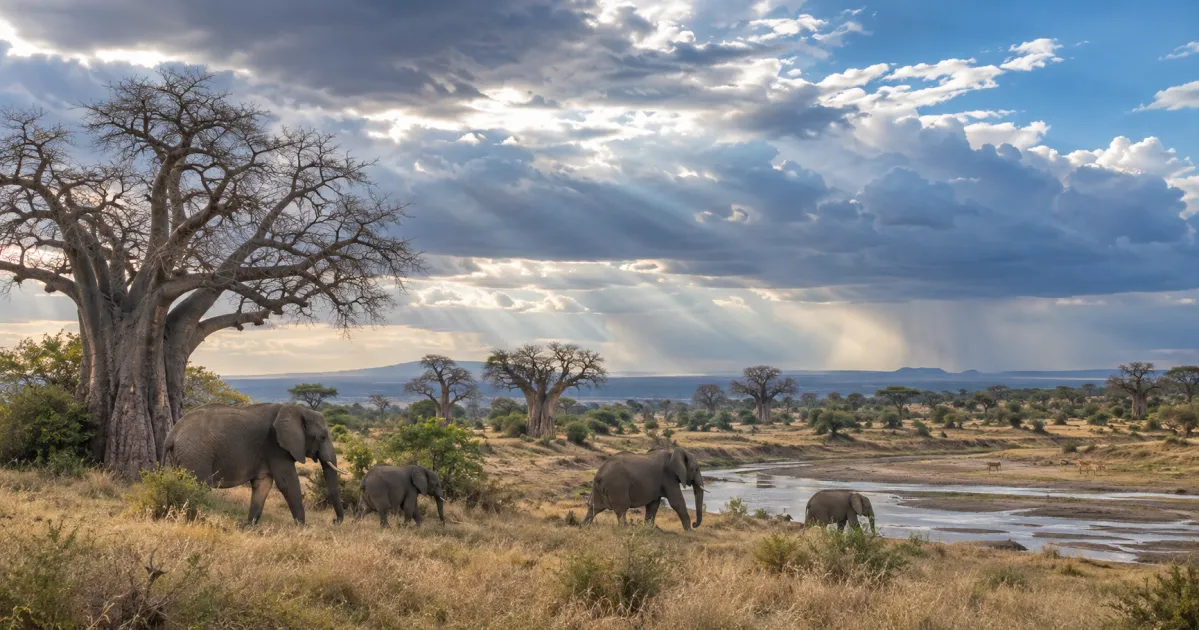
Tarangire is particularly attractive in the dry months, when wildlife gathers around the Tarangire River and other dependable water sources. Lake Manyara can complement a northern circuit itinerary with varied habitats, though its conditions and sightings shouldn't be treated as a miniature Serengeti experience.
Southern and western alternatives
The southern parks, including Ruaha and Nyerere, offer a different safari character from the heavily discussed migration route. They can appeal to travelers seeking broader vistas, fewer vehicles, and a more remote-feeling itinerary. Green-season travel can be especially compelling for visitors who value vegetation, atmosphere, and birdlife over predictable dry-season concentration.
Western Tanzania also rewards careful route planning. The best choice depends less on a universal month and more on park access, the operator's experience, and whether your priority is general wildlife, primates, or wilderness solitude.
| Region or park | Peak window | What to expect |
|---|---|---|
| Serengeti | June to October | Dry-season visibility, concentrated wildlife, and migration movement |
| Northern Serengeti | Late July to October | Best chance of targeting Mara River crossing drama, with timing uncertainty |
| Southern Serengeti and Ndutu | January to March | Calving activity, young wildebeest, and strong predator interest |
| Ngorongoro Crater | Dry season, with year-round potential | Dense wildlife viewing and easier general access in drier conditions |
| Tarangire | Dry season | Wildlife concentration around dependable water and strong elephant viewing opportunities |
| Southern parks | Dry season or selected green-season itineraries | More remote landscapes, varied wildlife experiences, and quieter routes |
| Zanzibar extension | Often paired with a dry-season safari | A beach finish can work well when coastal conditions suit your dates |
Travelers comparing routes across Tanzania can also browse SwappaHome Africa destinations as a starting point for evaluating different regional combinations. The practical question isn't where to go. It's whether each park supports the experience you want during the dates you have available.
Month by Month Guide to Weather Crowds and Wildlife
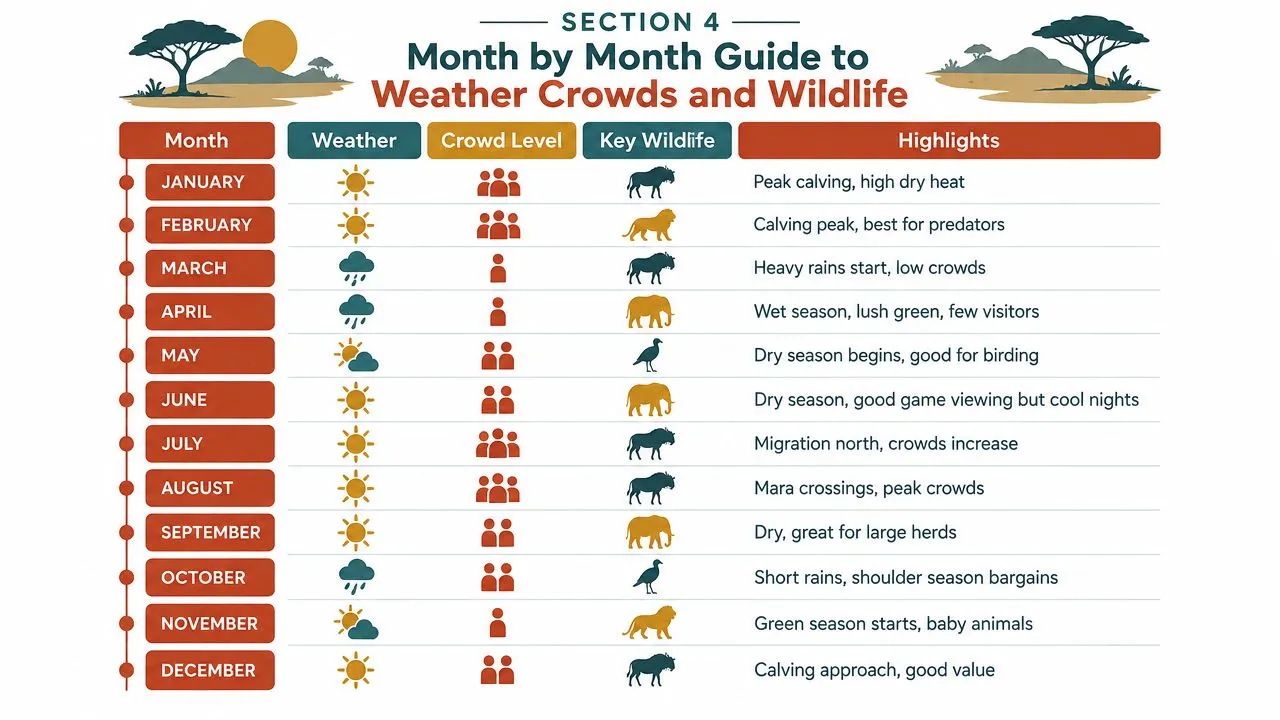
A month-by-month view is useful once you know your main goal. The notes below focus on what each period is best suited to, rather than treating weather as the only measure of quality.
January and February
The southern Serengeti and Ndutu ecosystem are the main draw. January to March is the calving-focused window, with fresh forage, newborn wildebeest, and predators responding to vulnerable young. February is particularly suitable for wildlife photographers who want behavioral scenes rather than only large herds in open plains.
March and April
The long rains become more influential, and roads may be softer or less predictable. These months suit travelers who enjoy green vistas, changing skies, fewer visitors, and birding. Some camps close during the quietest rainy periods, so confirm availability before building a route around a remote property.
May and June
May often feels transitional, with the area moving away from the wettest conditions and migration herds beginning their westward and northern movement. June starts the long dry season and is a strong choice for broad game viewing, though mornings and evenings can feel cooler. It also offers a useful compromise for travelers who want dry-season access without focusing entirely on the busiest migration moments.
July and August
Migration interest rises as herds move north. Late July through October is the principal river-crossing window, and August is a common target for travelers pursuing Mara River drama. Crowds can increase around sought-after sightings, so route design and camp location matter.
September and October
September remains strong for dry-season viewing and large herds, while October continues to support northern migration ambitions. The end of the dry season can bring a shoulder-season feel in some itineraries, but river crossings remain governed by herd behavior and rainfall, not by a guaranteed appointment.
November and December
Short rains refresh the scenery and may bring a greener atmosphere, fewer visitors, and value opportunities. November can still deliver productive wildlife viewing, while December leads toward the southern calving phase. Keep plans flexible, and check which camps operate during your chosen dates.
The simplest shortlist is clear:
Choose February for calving and predator behavior.
Choose June through October for dependable classic game viewing.
Choose late July through October if river crossings are the central ambition.
Choose November, March, or April if value, greenery, and fewer visitors matter more than perfectly predictable roads.
Choosing Your Timing for Budget Crowds and Photography
A first-time visitor may face three different safari jobs: dependable dry-season viewing, dramatic river crossings, or close calving-season predator action. A fourth option matters for travelers watching costs: accept less predictable weather in exchange for greener scenery, fewer visitors, and possible savings.
Peak season suits travelers who want clearer conditions, thinner vegetation, and wildlife concentrated near reliable water. It is often the easiest choice when dates are fixed, but it can bring more visitors and higher rates. Shoulder and green seasons work differently. Rain can change roads and daily plans, yet the terrain may look fresher and the quieter atmosphere can suit photographers.
Independent Tanzania travel guidance identifies November, March, and April as periods that may bring lower prices and fewer tourists while still supporting worthwhile wildlife viewing. Discount levels and availability vary, and some camps close during the quietest rainy months. Read this practical Tanzania safari budget guide before treating a low-season date as a guarantee that every lodge or route will operate.
Match the season to your travel job
For peak dry-season viewing, start with June to October. Concentrated wildlife and generally clearer conditions make this a practical default, particularly for a first safari with firm dates.
For river-crossing drama, choose the northern migration route during the crossing window, then build in patience. Herd behavior and rainfall control the timing, so a camp near the right habitat is more useful than a date chosen by reputation alone.
For calving-season predator action, focus on the southern Serengeti and Ndutu area during the calving period. Newborn animals attract predators, creating a different photographic story from the dry-season waterhole scene.
For value and space, examine November, March, and April. Ask which camps are open, how rain may affect roads, and whether the operator can adjust the route between parks.
A practical decision checklist
Name your main subject: general wildlife, crossings, calves, predators, or birds.
Set your uncertainty tolerance: dry months are usually easier; rainy months need flexibility.
Check the region: southern and northern Serengeti offer different seasonal experiences.
Confirm lodging: a lower-season plan works only if suitable camps are operating.
Leave room for nature: no migration calendar promises a crossing on a particular afternoon.
Photography principle: Choose the date that places you in the right habitat for the behavior you want to photograph, not simply the month with the most famous label.
Planning Your Tanzania Safari with Confidence
The best time for a Tanzania safari becomes much easier to choose when you stop asking for one perfect month. Start with the experience, then select the season, region, and itinerary that support it.
For classic dry-season viewing, focus on June to October, with June through August often providing especially favorable visibility. For Mara River crossing ambitions, look at late July to October, particularly in the northern Serengeti, while allowing flexibility because rainfall can shift the herds. For calving and predator action, choose January to March in the southern Serengeti and Ndutu area.
A value-oriented plan may instead consider November, March, or April. These months can bring fewer visitors and lower prices, but you'll need to confirm camp operations and accept that rain may affect roads or daily game-drive plans.
Before requesting quotes, write down your top two priorities and one compromise you're willing to make. Then compare itineraries by park location, seasonal fit, lodging availability, and the operator's plan for adapting to local conditions. Verified operators can help turn a broad month into a practical route, but your priorities should lead the conversation.
Explola lets you compare Tanzania safari itineraries by destination, budget, lodging style, dates, and interests, then send direct inquiries to verified operators. Visit Explola to shortlist routes that match your preferred season and request custom quotes for the wildlife experience you want.

Daniel writes for the Explola blog, where he covers African safari destinations, wildlife, travel trends, and practical trip planning. His work is centered on making safari travel easier to understand, compare, and plan.
Get Safari Tips & Destination Guides
Join our newsletter for exclusive travel tips, wildlife insights, and safari planning advice.