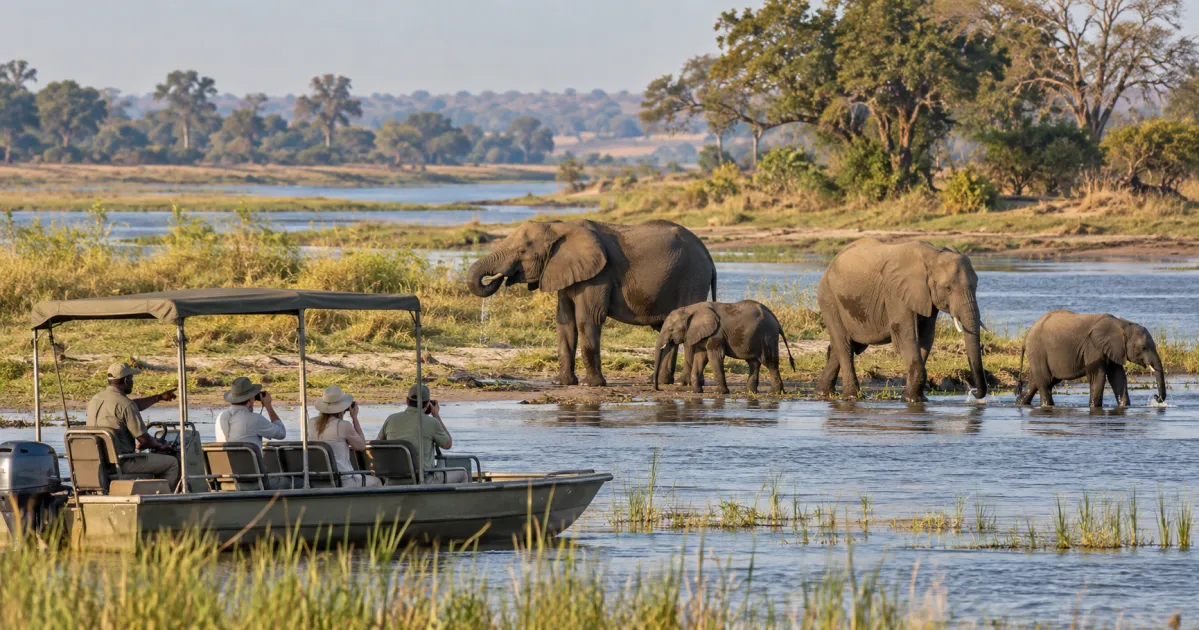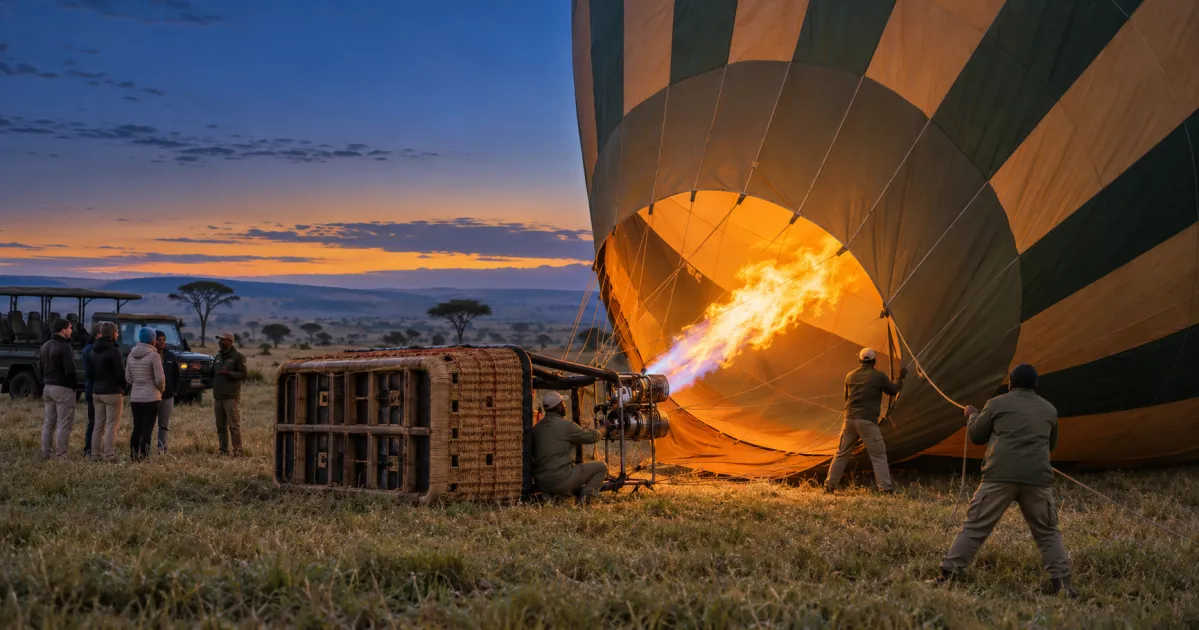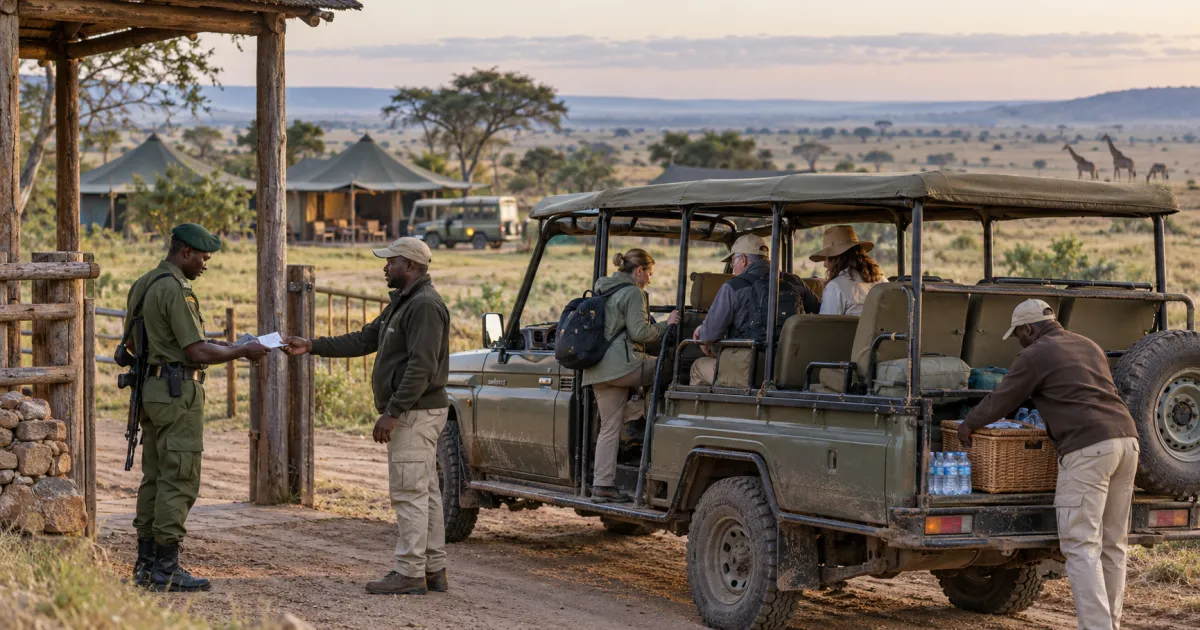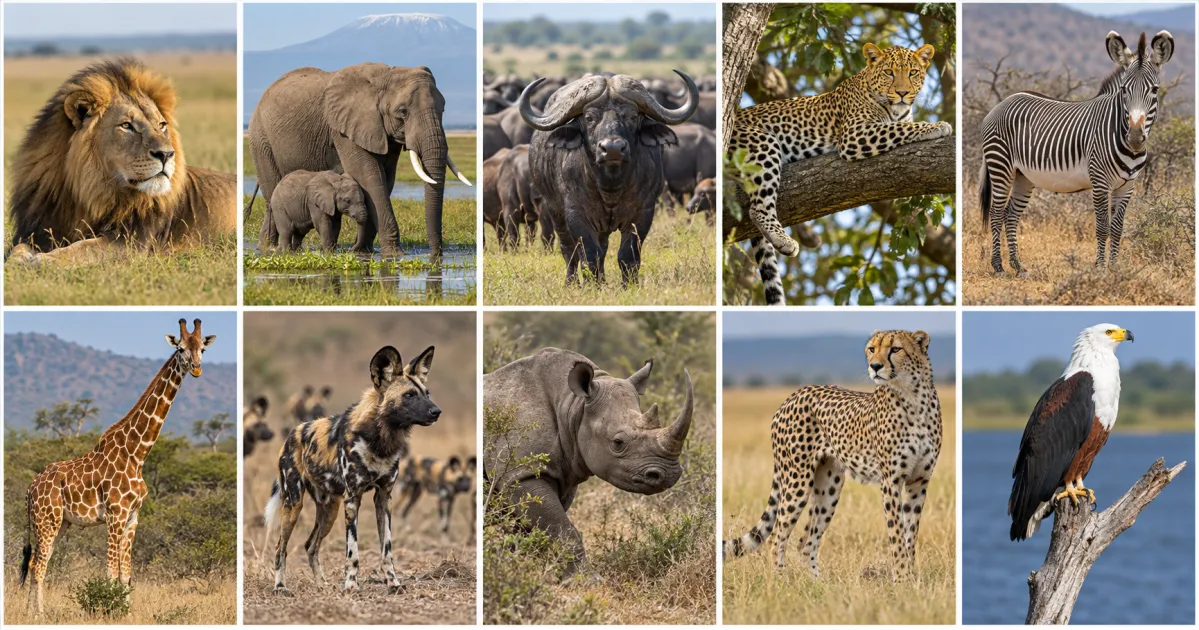
Kenya offers far more than a generic Big Five checklist. The country's 2025 National Wildlife Census recorded 42,072 elephants, up from 36,280 in 2021, and 2,102 black and white rhinos, up from 1,812, while also monitoring lions, cheetahs, and wild dogs through recurring aerial and ground surveys (Kenya's National Wildlife Census). The practical lesson is simple: the best Kenya safari animals depend on habitat, season, time of day, guide expertise, and how much ground your itinerary covers.
This guide ranks ten animals by wildlife value and planning difficulty. You'll find dependable sightings, specialist species, conservation priorities, photography advice, safety rules, and itinerary decisions that help you balance iconic encounters with realistic expectations. No responsible operator can promise a particular animal, but a well-matched route can give you much better opportunities than a rushed park checklist.
Kenya's wildlife also delivers strong visitor satisfaction. The Kenya Tourist Exit Survey reported that 74.3% of non-resident visitors were overall satisfied with their trip, while wildlife was the most liked tourism product for 53.6% of respondents. Start by deciding whether your priority is a lion-filled Mara circuit, Amboseli elephants, northern specialties, rare predators, or conservation-led encounters. Then compare verified operators, itineraries, pricing, reviews, and direct inquiries on Explola. Travelers seeking a customized arrival can also book a private jet for African safaris.
1. African Lion
Choose lions for sighting potential, not certainty. Their visual drama and adaptable behavior make them Kenya's defining safari animal, but success depends on habitat, timing, and time in the field. Lions usually become more active at dawn and in the late afternoon, while the hottest hours often find them resting in shade. The Masai Mara is the strongest all-round choice for lions alongside cheetahs, buffalo, zebra, and seasonal migration activity. Amboseli and Tsavo offer different scenery, distances, and game-drive conditions.
Kenya monitors lions through recurring national surveys, which helps explain why established parks and experienced guides improve sighting opportunities. A census total does not predict what your vehicle will find on a particular drive.
Planning for a pride encounter
Build a multi-day itinerary if lions are a primary goal. Several drives give you better chances of finding prides feeding, resting, crossing territories, or interacting with other predators. Migration season can add dramatic activity in the Mara, though visitor pressure increases at the same time. Choose a private conservancy if quieter viewing and more flexible driving rules matter more than minimizing cost.
Ask operators these questions before booking:
Drive timing: Confirm early morning and late afternoon drives, when lions are more likely to move or hunt.
Guide experience: Choose guides who track pride movements and manage sightings without crowding animals.
Route design: Compare a Mara-focused trip with an itinerary combining the Mara, Amboseli, or Tsavo. Extra transfers reduce viewing time, so add a second park only when its habitat offers a clear benefit.
Vehicle choice: Select a stable viewing platform with enough space for camera equipment and unobstructed sightlines.
Photography requires restraint as much as technical skill. Use a fast shutter speed for walking or interacting lions, then slow it when resting animals fill softer light. Keep a respectful distance, never ask the driver to block an animal's route, and avoid loud reactions that could disturb the pride. A patient guide and an unhurried schedule will usually matter more than expensive equipment.
2. African Elephant
Choose elephants by habitat, not by fame. Amboseli is the clearest choice for travelers who want frequent elephant viewing in open country, with Mount Kilimanjaro often providing a memorable backdrop when visibility allows. Tsavo suits visitors who prefer larger, wilder-feeling terrain and a stronger sense of scale. Elephants also occur in the Mara, Samburu, Meru, and Laikipia, but they should support a broader route rather than determine every stop.
Kenya's national census recorded a growing elephant population, reinforcing the value of conservation programs and structured monitoring (official census results). The result matters to travelers because responsible tourism can help protect migration routes, water access, and family groups.
Match the route to the sighting goal
Plan around water sources, wetlands, and paths connecting feeding areas. During dry conditions, elephants may concentrate near water, improving viewing opportunities. Weather still changes their movements, so no park or season guarantees a roadside herd.
Use this route logic:
Amboseli: Choose it for open views, family groups, and the possibility of photographing elephants against the mountain.
Tsavo: Choose it for varied terrain, greater wilderness character, and conservation context.
Northern Kenya: Add it when elephants form part of a specialist itinerary focused on arid-zone wildlife.
Expect elephants to be visible, but allow time for the best behavior. A herd may feed, bathe, cross the track, or remain partly hidden in vegetation. Early starts and unhurried drives give guides more flexibility to follow fresh movement without pressuring animals.
Photography rewards distance and patience. Expose carefully for bright skin in open sunlight, leave space ahead of moving elephants, and use a longer lens when a family group approaches the road. Never drive between a calf and its mother or force a herd to change direction.
For a focused conservation route, review the 6-day elephant conservation safari, then compare its route, inclusions, lodging, and operator details with alternatives.
3. African Buffalo
African buffalo offer a useful correction to the idea that every safari priority must be a predator. They're powerful, social grazers, and often occupy open grassland, woodland edges, and wet areas where visibility changes quickly. In the Masai Mara and Amboseli, buffalo can form a strong part of a general game-viewing itinerary, while travelers interested in behavior should ask guides to explain herd structure, alarm signals, and the difference between relaxed and defensive animals.
Buffalo are often easier to locate than leopards or wild dogs, but “easy to find” doesn't mean “safe to approach.” A herd can appear calm while remaining highly alert, particularly when calves are present or when a vehicle has positioned itself between animals and water.
Make safety part of the booking brief
Tell your operator that you want close behavioral interpretation, not just a quick photograph. Experienced guides know when to hold position, when to reverse, and when to give a herd more space. Travelers should remain seated, keep hands inside the vehicle unless the guide explicitly permits otherwise, and avoid sudden movements or shouting.
Morning drives can be productive because buffalo are often feeding or moving before temperatures rise. However, the best itinerary decision is broader than a single departure time. Choose a route that includes more than one habitat, then let the guide adapt to fresh tracks, water conditions, and herd movement.
For photography, buffalo reward patience. Look for layered compositions that include several animals, but don't force a tight portrait if the herd is tense. A wide frame can communicate the animal's environment and social scale more effectively than a close crop.
Masai Mara visitors may encounter larger seasonal concentrations, while Amboseli is a practical choice for travelers who want buffalo alongside elephants and open-country wildlife. If buffalo are a secondary priority, include them in a multi-park route rather than building an entire trip around a species that can appear in many Kenyan habitats.
4. Leopard
Leopards are Kenya's most demanding major safari sighting. Their spotted coats disappear into riverine vegetation, rocky ground, broken shade, and low woodland, while their solitary habits make them easy to miss. A short visit rarely gives guides enough time to track one reliably.
Choose the Masai Mara when leopard sightings rank high on your list. River corridors and mixed cover support suitable habitat, and several days in one area give guides time to revisit territories and follow fresh signs. Samburu suits travelers who want a northern specialist experience, especially with guides who recognize individual animals and understand local movement patterns. Private conservancies can offer more flexible driving, subject to their rules and the operator's permissions.
Plan around patience, not a single promising drive. Ask whether your operator works with local sightings networks, knows established territories, and uses vehicles suited to off-road conditions where permitted. A longer stay in one productive area usually serves leopard photography better than frequent transfers between parks.
Your booking brief should cover four points:
Region: Compare the Mara, Samburu, Olare Motorogi, and other conservancy options according to habitat and itinerary length.
Tracking skill: Ask how guides separate fresh tracks from older signs and how they respond to changing information.
Vehicle conduct: Request quiet observation and a stationary position whenever possible. Repeated repositioning can disrupt natural behavior.
Light and equipment: Dawn and dusk may produce atmospheric images, but low light demands suitable exposure settings and camera support.
A leopard resting in a tree offers a clean, raised composition. A ground-level encounter can reveal more intimate behavior. Keep a respectful distance, and reject requests to drive directly beneath a resting animal for a dramatic angle. Protecting the leopard's welfare comes before securing a photograph.
5. Grevy's Zebra
Grevy's zebra justifies a northern Kenya itinerary on its own. Its narrow stripes, large ears, and preference for semi-arid habitat set it apart from the plains zebra seen on many first-time safari routes. Make the Samburu ecosystem and nearby conservation areas your base if this species ranks high on your list.
Kenya holds a much smaller Grevy's zebra population than its common zebra populations, which makes the sighting a deliberate northern target rather than a routine safari bonus. The latest national census reported 2,465 Grevy's zebras, illustrating why route choice and local knowledge matter. Choose a conservation-aware guide who can explain how water, grazing pressure, and habitat fragmentation shape animal movements.
Choose a northern specialist itinerary
Combine Samburu with Buffalo Springs or Lewa when Grevy's zebra is a priority. Add the Masai Mara only after giving Northern Kenya enough time, so the itinerary contrasts specialist species with the familiar plains ecosystem instead of rushing between parks.
Dry conditions may bring animals closer to remaining water sources, but sightings still depend on movement, habitat, and recent conditions. Ask your operator for recent sighting context, likely drive areas, and clear information about the conservancy's rules. Reject any promise of guaranteed viewing.
Photography is rewarding but demanding. Use the zebra's graphic pattern to build repetition across a herd, or isolate one animal against dry terrain. Early and late light can reveal texture in the coat, while harsh midday contrast may reduce detail. Keep the vehicle steady and leave room around the subject when the herd is moving.
Grevy's zebra pairs well with reticulated giraffe, gerenuk, beisa oryx, and Somali ostrich. That combination gives Northern Kenya a clear identity and supports a more focused understanding of regional conservation. Allocate extra travel time for this route, and treat patience as part of the viewing plan.
6. Reticulated Giraffe
Reticulated giraffes justify a northern Kenya extension when distinctive species matter more than familiar safari icons. Their sharply outlined, geometric coats distinguish them from the Masai giraffes associated with the Mara and Amboseli. Start in Samburu, then consider Lewa or Laikipia if habitat protection and regional diversity are priorities.
Treat a general “giraffe viewing” label with caution. Kenya's national census recorded a broad giraffe population, yet that total does not identify which subspecies a traveler is likely to see or explain how populations vary by habitat. Ask your operator to specify the giraffe population targeted and the recent sighting conditions.
Give Northern Kenya enough time
A Samburu extension fits well after a classic southern circuit, provided you allow the northern ecosystem to stand on its own. Combining Samburu with Laikipia or Lewa adds habitat variety and gives guides more flexibility to locate animals. A rushed overnight stop weakens both the wildlife experience and the value of the longer transfer.
Use Explola's filters to compare:
Northern Kenya routes: Choose itineraries with meaningful time in Samburu, Lewa, or Laikipia.
Specialist guides: Prioritize naturalists who can identify reticulated giraffes and explain their behavior.
Conservation access: Check how conservancy visits, community participation, and fees are handled.
Photography conditions: Confirm that guides can position the vehicle without crowding animals.
Plan for patient viewing rather than a guaranteed encounter. Giraffes often suit environmental compositions, where their height and patterned coats stand out against northern Kenya's dry terrain. Profile portraits can work too. Focus on the coat, eyelashes, or interactions between individuals, and leave space around the head and neck.
Remain inside the vehicle unless your guide has arranged a permitted walking activity. Never approach a giraffe on foot without professional supervision. Pair this species with other Samburu-area wildlife, and choose the northern route for its distinct habitat, not as a rushed addition to a southern itinerary.
7. African Wild Dog
Treat an African wild dog sighting as a specialist objective, not a dependable addition to a short Kenya safari. These painted canids hunt in coordinated packs, cover large areas, and can vanish into woodland or open country before a vehicle arrives. Laikipia and Samburu offer the most practical options, especially with operators involved in current tracking and conservation work.
Kenya's 2025 census counted 310 wild dogs, underscoring why this is a specialist, low-probability sighting. Choose this species because you value the search and conservation context, not because a brochure suggests a guaranteed encounter.
Give the search enough days
Build flexibility into the itinerary. Ask whether guides receive recent pack information, how they protect denning areas, and whether vehicles follow rules that limit disturbance. Satellite tracking may support conservation and research, but ask how the information is used and whether the operator works with relevant conservation authorities.
Allow several days rather than attaching a rushed stop to a southern circuit. Early drives improve your chances because packs may be active before the day becomes hot. If animals appear, never chase a running pack or block its route.
Photography rewards preparation. Use a high shutter speed and reliable autofocus from a stable vehicle, then wait for pack interaction instead of forcing a close portrait. Keep your distance and follow the guide's positioning instructions.
A longer northern route can pair wild dogs with leopard, lion, Grevy's zebra, and reticulated giraffe. It requires more transfer planning than a standard Mara circuit, but delivers greater habitat variety, stronger conservation context, and a clearer view of Kenya's wildlife corridors. Choose it when the search itself matters as much as the species list.
8. Black Rhinoceros
Black rhinoceroses reward deliberate planning rather than a quick stop between game drives. They are solitary, territorial animals that often disappear into scrub or broken ground. For the strongest combination of wildlife value and conservation context, choose Lewa Wildlife Conservancy or Ol Pejeta Conservancy, where protection, monitoring, and education shape the visitor experience.
Kenya's rhino population increased from 1,812 in 2021 to 2,102, an encouraging conservation result. That national rise does not make a black rhino sighting predictable. Habitat, animal movement, security procedures, and the guide's tracking skill still determine what you see.
Reserve several days in a conservancy. A rushed rhino stop gives guides little time to search and leaves no flexibility when animals move away from accessible areas. Before booking, ask whether a specialist guide will lead the outing, how the operator supports conservation, and which activities the property permits. Night drives, walking approaches, and off-road viewing differ by conservancy and must follow local rules.
Choose operators that put protection before photographs. Never ask a guide to shorten the distance or alter a route. Ask them to explain spoor, browsing signs, territory, and the pressures facing black rhinos. Review how the operator describes its conservation partnerships and what your visit supports.
Use a long lens and switch off flash. Expect a distant, partially obscured subject, then compose a habitat portrait instead of demanding a full-frame image. Black rhinos can emerge close to a vehicle without warning, so stay seated, keep quiet, and follow instructions immediately. This approach protects the animal, the security team, and the quality of the encounter.
9. Cheetah
Choose the cheetah for daylight predator behavior and open-country photography, then build enough time into the itinerary to search properly. Cheetahs hunt in daylight, assess prey from exposed positions, and may scan for long periods before moving. The Masai Mara is the strongest first choice, while surrounding conservancies can improve access to experienced guides who recognize individuals and position vehicles responsibly.
Kenya's national census counted 605 cheetahs in 2025, reinforcing the need for conservation-focused viewing. A sighting remains valuable without a chase. Guides should never pressure a cheetah into sprinting for visitors.
Prioritize morning light
Book early drives, when temperatures are lower and cheetahs may be hunting or moving. Open grassland improves visibility but can place animals far from roads or behind a rise. Plan several days in the Mara rather than relying on one drive. More time gives the guide room to search, wait, and respond to movement instead of rushing between landmarks.
The Mara also demands realistic expectations. A cheetah may appear briefly, remain distant, or disappear into cover. Ask your guide how much time the route allows for predator tracking and whether conservancy access forms part of the plan.
Use a fast shutter speed for movement and continuous autofocus for a running animal. With a stationary cheetah, prioritize alert posture, eye contact, and clean background separation. Keep the vehicle parallel to its route where possible, never cross its path, and avoid crowding a hunt. Stay seated and follow the guide's instructions.
For route, timing, costs, and park combinations, consult this Mara safari planning guide. Compare conservancy access, game-drive frequency, vehicle type, guide credentials, and honest wording about sighting probabilities.
10. African Fish Eagle
African fish eagles reward itinerary choices that include water, not just open savannah. Their bold plumage, hooked bill, and unmistakable call make them valuable subjects for birders and travelers seeking a fuller view of Kenya's ecosystems. Search around rivers, lakes, swamps, and other productive water sources, where high perches give these raptors room to scan for fish.
Lake Naivasha offers practical waterbird viewing. The Mara River and Amboseli's wetland areas can add fish eagles to a broader wildlife route, though neither should be treated as a guaranteed stop for a close photograph. A guide with strong bird knowledge can identify the call first, then locate the bird perched above the water.
A fish eagle may remain distant, so plan for observation as much as portrait photography. A long lens, stable support, and patience matter more than chasing movement between locations.
Build the route around water
Ask whether at least one guide can identify calls, explain hunting behavior, and use binoculars effectively. General wildlife guides often recognize large raptors, while a birding-focused itinerary improves identification and the chance of noticing less obvious behavior. Consider a 5-day Kenya birding safari if bird photography is a primary goal.
Use these practical priorities:
Water access: Include a lake, river, or wetland.
Light direction: Morning and late afternoon can produce cleaner light and less harsh contrast.
Optical equipment: Bring binoculars and a lens suited to distant, perched birds.
Sound awareness: Learn the fish eagle's call and scan likely perches quickly.
Keep away from nests and established perches. Never ask a guide to flush a bird for a flight shot. A fish eagle photographed within its waterside habitat often communicates more about Kenya's ecology than an isolated portrait.
Kenya Safari: 10-Species Comparison
Species | 🔄 Viewing complexity | ⚡ Resource / tour requirements | 📊 Expected sightings & impact | 💡 Ideal use cases | ⭐ Key advantages |
|---|---|---|---|---|---|
African Lion | Moderate, pride territories make sightings reliable | Standard game drives, early morning/late afternoon drives, experienced guides | High likelihood; ⭐⭐⭐⭐, iconic draw, strong booking impact | Classic Big Five safaris, photography-focused tours | Predictable sightings, dramatic behavior, year-round presence |
African Elephant | Low, widespread and habituated in many parks | Multi-park/ water-source visits, mid-range to luxury lodges, conservation-linked operators | Very high likelihood; ⭐⭐⭐⭐⭐, major tour magnet and storytelling asset | Family safaris, conservation education, photography | Massive presence, emotional connection, consistent visibility |
African Buffalo | Low, highly abundant in herds | Standard game drives, safety-aware guides, migration-season planning | Very high likelihood; ⭐⭐⭐⭐⭐, frequent herd spectacles | Migration/ herd photography, large-herd viewing itineraries | Spectacular herd scenes, predictable seasonal migrations |
Leopard | High, solitary, nocturnal and elusive | Multi-day luxury tours, specialist trackers, night drives, experienced guides | Low likelihood; ⭐⭐, rare but prestige-enhancing sighting | Premium tracking safaris, research-linked tours, night drives | High prestige, individual ID/ tracking opportunities, photographic value |
Grevy's Zebra | High, limited range and smaller population | Northern Kenya specialist itineraries (Samburu), longer trips, conservation operators | Low-moderate likelihood; ⭐⭐, endangered, niche draw | Conservation-focused Northern Kenya tours, specialist wildlife photography | Unique appearance, conservation appeal, less-crowded viewing |
Reticulated Giraffe | High, restricted to northern arid habitats | Samburu/Laikipia-focused tours, specialist guides, dry-season timing | Low-moderate likelihood; ⭐⭐⭐, concentrated but limited range | Northern Kenya specialist, subspecies education, photography | Distinctive patterning, research value, memorable visuals |
African Wild Dog | Very high, highly endangered, nomadic packs | Long specialist predator-tracking itineraries, satellite-collar operators, patience | Very low likelihood; ⭐⭐, rare but exceptionally valuable sighting | Intensive conservation/predator tours, research partnerships | Fascinating pack behavior, exceptional conservation narrative |
Black Rhinoceros | Very high, critically endangered, high-security areas | Exclusive conservancy access, permits, night drives, premium operators | Extremely low likelihood; ⭐⭐, exclusive conservation-focused experience | Luxury conservation safaris, donation-linked viewing, research visits | Direct conservation impact, rare and prestigious encounter |
Cheetah | Moderate, diurnal and visible during drives | Morning game drives, Masai Mara/ conservancy visits, tracking knowledge | High likelihood; ⭐⭐⭐⭐, dramatic action photography opportunities | Action/photography safaris, migration-season itineraries | Daytime hunting visibility, high-action photography, reliable populations |
African Fish Eagle | Low, reliably found near water bodies | Boat or lakeshore visits, birding guides, binoculars | Very high likelihood; ⭐⭐⭐⭐⭐, consistent avian indicator species | Birding-focused tours, ecosystem-complete itineraries, lakeside visits | Distinctive calls/appearance, easy-to-find, signals healthy waterways |
Turn Your Wildlife Wish List Into an Itinerary
The strongest Kenya safari itinerary starts with a priority list, not a park count. If lions, cheetahs, and broad predator variety lead your list, make the Masai Mara the core of the trip. The Mara also offers seasonal spectacle and a dense mix of grassland wildlife, but your guide still needs freedom to search responsibly rather than chase the most photographed sighting.
Choose Amboseli when elephants are central. The park's wetlands, open plains, and mountain views create a very different photographic setting from the Mara. Tsavo makes more sense for travelers who want a larger-feeling terrain, varied habitats, and a route that connects wildlife viewing with long-running conservation work.
Northern Kenya is the decisive choice for specialist animals. Samburu, Lewa, Ol Pejeta, and Laikipia can add Grevy's zebra, reticulated giraffe, wild dogs, and black rhinos to a trip that would otherwise focus mostly on familiar Big Five species. The Kenya wildlife guidance from Scott Dunn highlights northern specialties such as reticulated giraffe, Grevy's zebra, beisa oryx, gerenuk, and Somali ostrich. That regional focus fills a real content and planning gap because distinctive species often require a different route from a standard Masai Mara visit.
Match the route to your priorities
Use a simple decision framework:
Predators and variety: Choose the Masai Mara, with enough days for repeated morning and afternoon drives.
Elephants and scenery: Choose Amboseli, then add another park if you want greater habitat variety.
Specialist northern species: Combine Samburu with Lewa, Ol Pejeta, or Laikipia.
Conservation-led encounters: Prioritize conservancies with transparent protection, research, and community information.
Birding alongside mammals: Add Lake Naivasha, Amboseli wetlands, or river-based viewing to the route.
Kenya's wildlife visitor demand is operationally significant. Industry reporting citing 2024 national tourism figures described about 3.74 million visitors to national parks and game reserves, alongside 2.39 million international arrivals and KES 452.2 billion in tourism earnings (safari tourism market reporting). Those figures explain why route quality, vehicle management, and responsible viewing standards matter. You're planning within a major tourism economy, not an isolated wilderness excursion.
Compare operators by more than price
On Explola, compare multi-day itineraries by season, park coverage, guide expertise, lodging level, group size, reviews, inclusions, and the language used around sightings. A lower starting price may reflect fewer game drives, longer transfers, simpler accommodation, or a larger group. An expensive itinerary isn't automatically better either. Check what the operator includes and request an itemized quote through the direct inquiry process.
Photographers should evaluate vehicle design, roof access, charging arrangements, luggage limits, and the guide's approach to positioning. If nature work matters, use a dedicated camera plan and review current guidance on landscape photography in 2026. Wildlife photographs improve when you leave time for changing light, animal behavior, and quiet observation.
Finally, treat safety and conservation as part of the experience itself. Stay in the vehicle unless your guide has arranged a permitted activity, keep a safe distance, don't call animals, and follow instructions immediately around elephants, buffalo, hippos, lions, and rhinos. Choose operators that respect park rules, avoid crowding, support local conservation, and describe sightings accurately. The best safari isn't the one with the longest checklist. It's the one that gives you meaningful encounters without making wildlife pay for the photograph.
Explola helps you compare verified Kenya safari operators, routes, lodging levels, prices, inclusions, reviews, and special interests in one place. Build a shortlist for the Masai Mara, Amboseli, Samburu, Lewa, Ol Pejeta, or Laikipia, then send direct inquiries for quotes that match the animals you most want to see. Visit Explola to start planning a responsible Kenya wildlife itinerary.
Ready to experience this?
Explore Related Safaris
Destinations Mentioned

Daniel writes for the Explola blog, where he covers African safari destinations, wildlife, travel trends, and practical trip planning. His work is centered on making safari travel easier to understand, compare, and plan.
Get Safari Tips & Destination Guides
Join our newsletter for exclusive travel tips, wildlife insights, and safari planning advice.